AI agents & automationFounder · Cart Gaze LLCPMP-certified PM
Muhammad Qasim Hammad is an AI agent and automation expert and the founder of Cart Gaze LLC (cartgaze.com). He builds product for the love of it: when an idea lands, a working prototype is usually running within hours, built with the same AI agents and automations he sells. He puts his own output at roughly 20× what it was before agents, and the Agentic OS behind this site is the working proof, documented in public with the tools he actually ran and what they really cost.
Decoding is bound by memory bandwidth, not arithmetic, which is the gap speculative decoding exploits. How draft-and-verify keeps the output distribution intact, why acceptance rate collapses as you speculate further ahead, and what recent measurement says about heavy load.
Split 1 agent into several and you inherit a new question: who decides what runs next? Handoffs are tool calls underneath, supervisors and swarms differ only in whether control returns to a center, and the coordination overhead runs about 15 times a chat in tokens.
Q4_K_M, GPTQ-4bit, AWQ: the names encode 2 separate choices, and the format matters more than the bit count. Measured quality by level on Llama-3.1-8B, the memory math including the KV cache, and which formats your hardware can actually run.
Someone improves a prompt on Tuesday and the pipeline mislabels documents by Thursday, with no diff, no test run, and no way to connect the 2 events. The fix is 3 disciplines applied to text: version the bundle (template, examples, tool descriptions, model ID, parameters), run
Most small businesses decide what data may reach their AI tools retroactively, when a client asks. Eleven lessons on the inventory, the three data tiers, what zero retention actually covers, and why the model is rarely the leak.
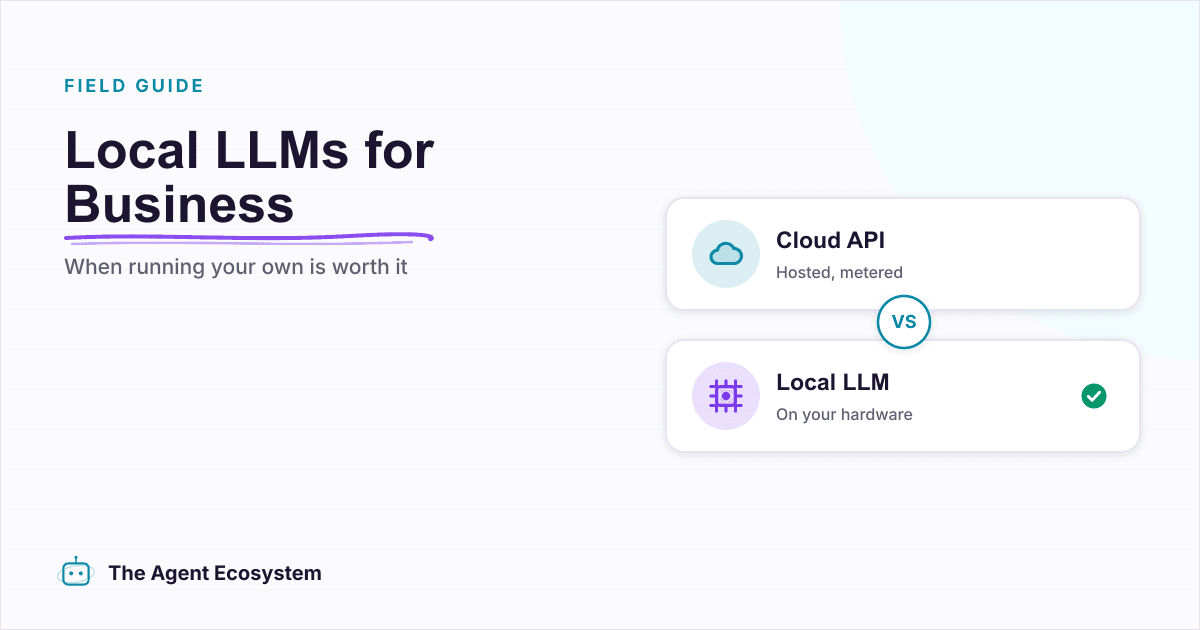
Local is free is the sentence that starts most bad local-LLM projects. Eleven lessons on naming a real reason, the costs that never appear on an invoice, sizing hardware to the model, proving privacy properly, and knowing when to give it back.
The fastest way to damage a small business with AI is to put a bot in front of customers before it knows when to stop. Twelve lessons on triage before answers, grounding in your own documentation, escalation that carries context, and why deflection rate flatters you.
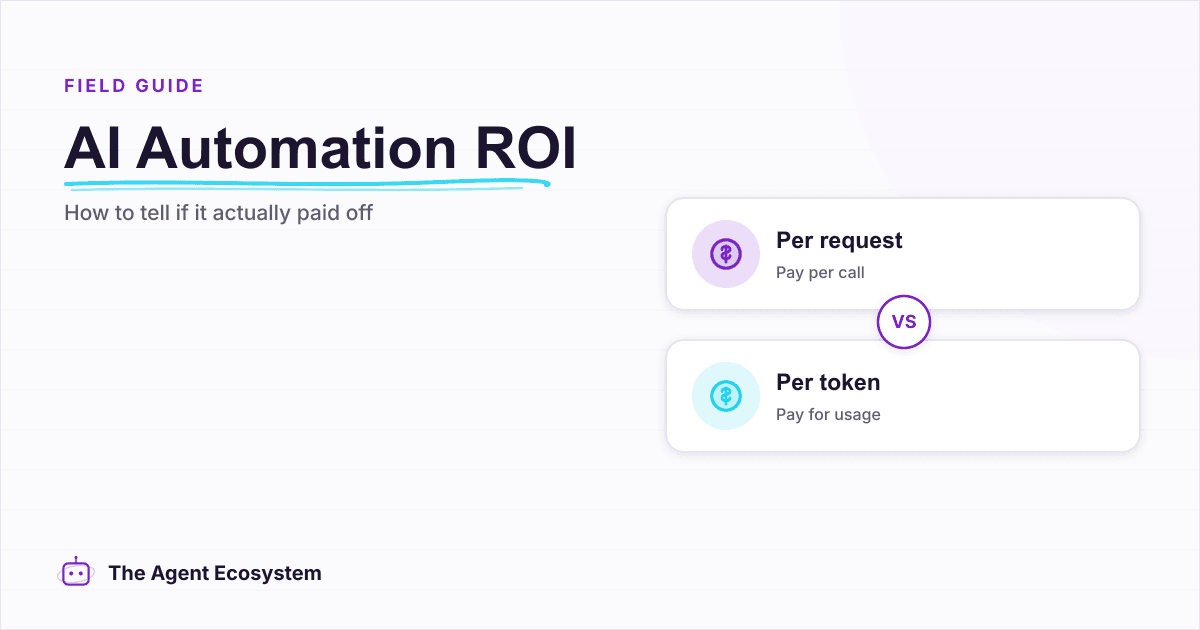
Almost every AI automation ROI claim is unfalsifiable. Twelve lessons on the four cost meters people miss, why time saved is the weakest number you have, computing payback instead of a percentage, and deciding the kill threshold before you need it.
Most RAG systems fail at retrieval, not at the model. Twelve lessons on chunking for the question, hybrid search for exact strings, re-ranking, making it refuse, and measuring retrieval separately from generation.
Every model comparison you read was written against someone else's task. Twelve lessons on building the evaluation that produces your answer, pricing the choice properly, and making it reversible before the model changes underneath you.
You do not have an automation problem, you have a which-of-these-forty-things problem. Thirteen lessons on picking the first job, counting the baseline, building three automations that survive, and knowing when to stop.
The choice is arithmetic with one unknown, and the unknown is your duty cycle. Almost nobody measures it before signing for a month of reserved capacity.
The first 429 usually gets blamed on request volume, and the real cause is usually a token ceiling nobody tracked. Which dimensions providers enforce, why token-bucket replenishment rejects bursts that look well under the limit, and why your output ceiling quietly spends quota.
You have 8,000 outputs, no labels, and no appetite for a labelling project. Reference-free evaluation is possible, and it does not measure what most people assume it measures.
Somebody will ask what good looks like, and there is a number ready for them. The ranges disagree because the denominators disagree, not because the industries do.
The dashboard says the bot handled 4,000 conversations last month and cost very little. Cost per resolved ticket is a different number, usually several times larger.
Somebody asks what your agent did on 14 March for one specific customer. Most teams find out the answer is no on the day the question is asked, not the day the log was designed.
The build estimate was 3 weeks and it was roughly right. The maintenance is the part nobody quoted, and it is predicted by a number you can count before committing.
Nobody ships an agent that is right every time, so the only honest question is how often it may be wrong. The version borrowed straight from web reliability breaks on the first day.
An agent you deployed emailed a customer the wrong refund amount. The answer is always a person or a company, never the software, and which one is decided long before the incident.
Your provider bill is one number and your pricing page charges per seat. The arithmetic connecting them is usually done once, with an average, and the average describes a user who does not exist.
A pilot that answered 40 questions correctly in a demo is not evidence of anything yet. It is a controlled test on data somebody picked, and production asks a different question entirely.
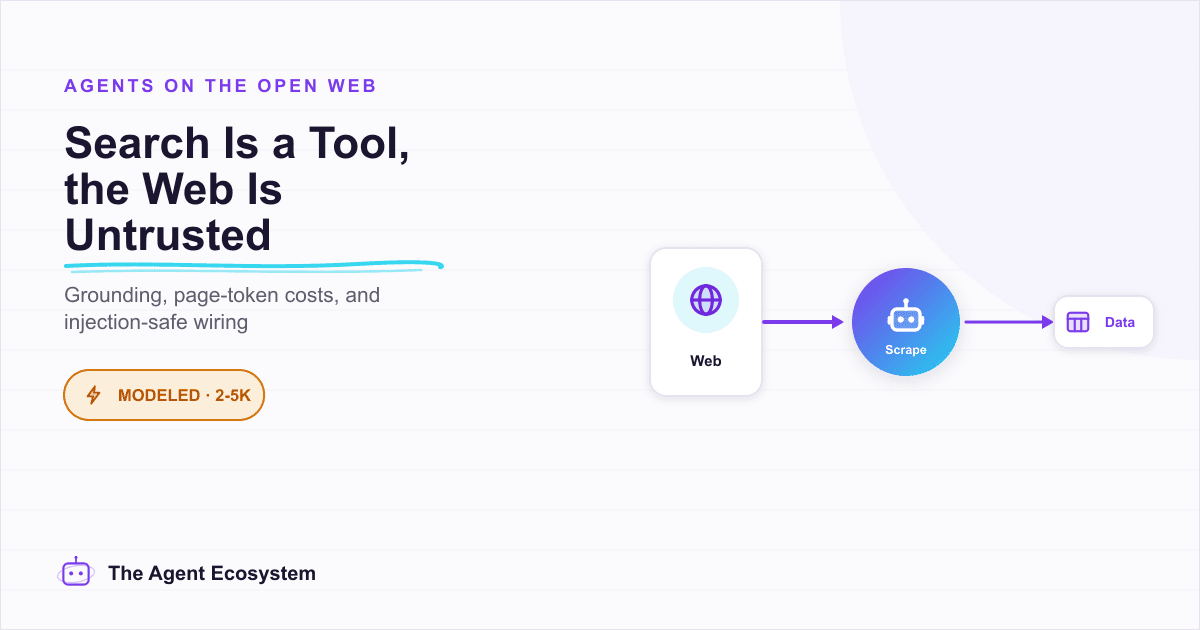
A search tool turns post-cutoff questions from hallucination bait into retrievable facts, and it brings 3 problems with it: choosing sources, paying for pages that become tokens, and reading text that may be aimed at the model rather than the user. This is the wiring guide: the
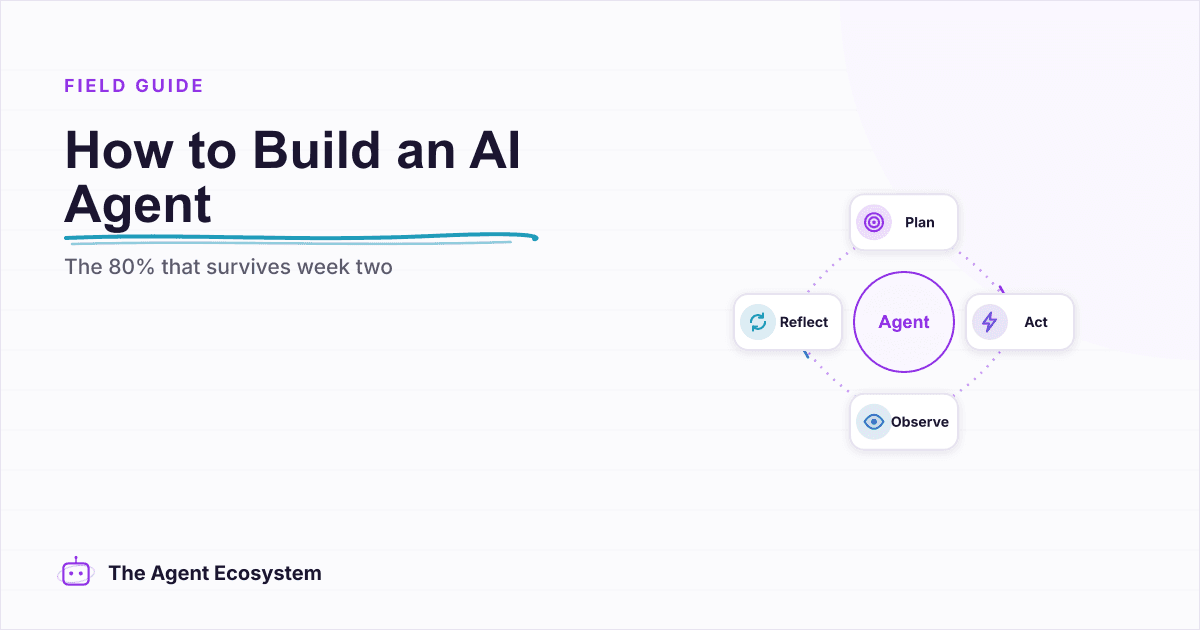
Most tutorials get you a working agent in ten minutes and skip what breaks it in week two. Sixteen lessons covering the loop, tool descriptions, memory, fallbacks, guardrails, evaluation, and the cost levers that decide your bill.
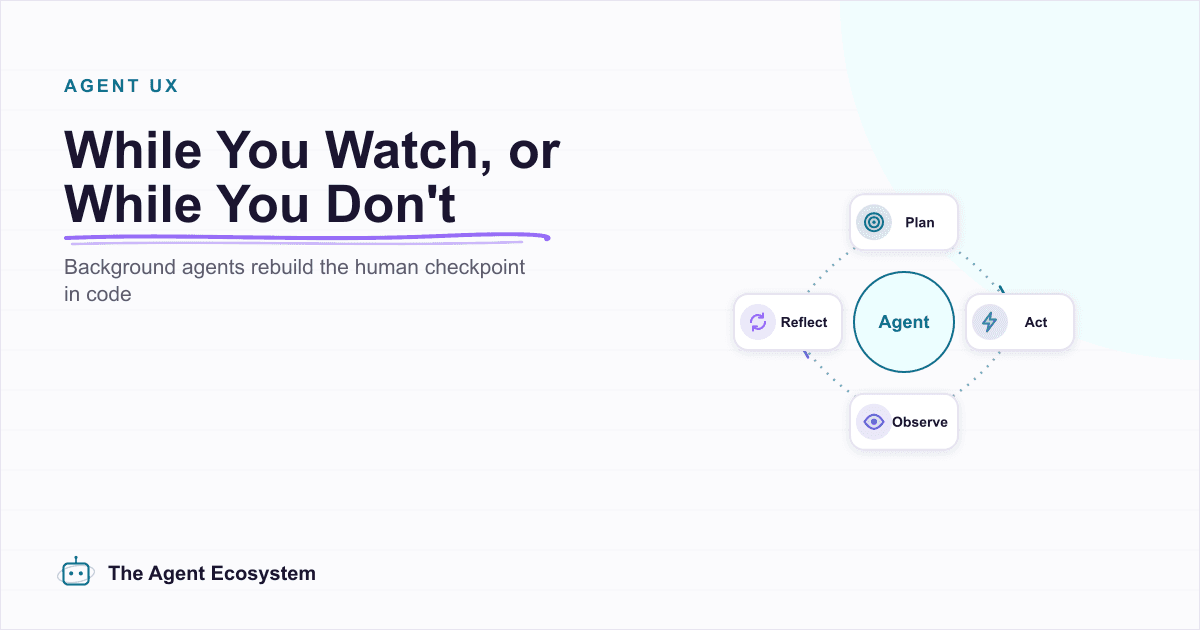
Same model, same tools, same prompt, 2 different machines: one answers when you type, the other triages your inbox at 6am and escalates what it couldn't handle. The difference is supervision, and removing it changes everything: latency stops mattering, durable state starts, and
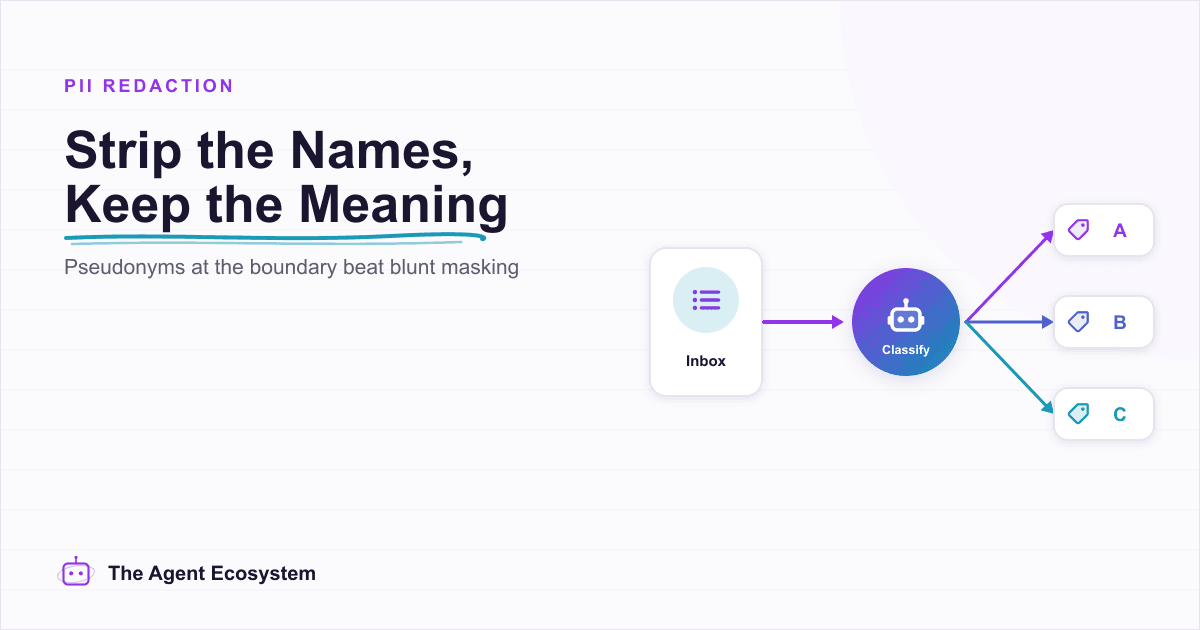
Every prompt containing personal data becomes 5 copies of that data: provider logs, your traces, caches, eval exports, bug reports. This is the redaction architecture that actually holds: a single boundary function, layered detectors, consistent pseudonyms like [PERSON_1] that
A 500-token answer takes 8 seconds either way; streaming decides whether the user reads for 8 seconds or stares at a spinner for 8 seconds. This is the mechanism: time to first token and cadence as the 2 numbers that define perceived speed, the buffering layers that silently
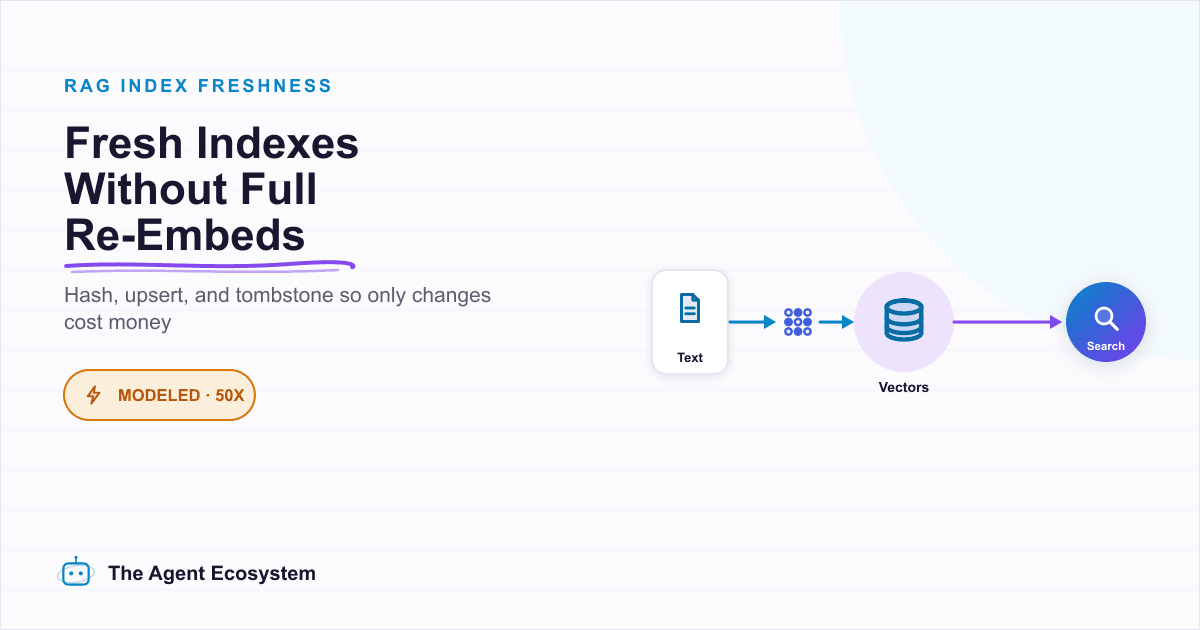
A RAG bot is only as current as its last ingest, and re-embedding the whole corpus nightly pays for thousands of unchanged documents to pick up a handful of edits. This is the incremental alternative: hash to detect changes, upsert by stable chunk IDs, tombstone deletes, and
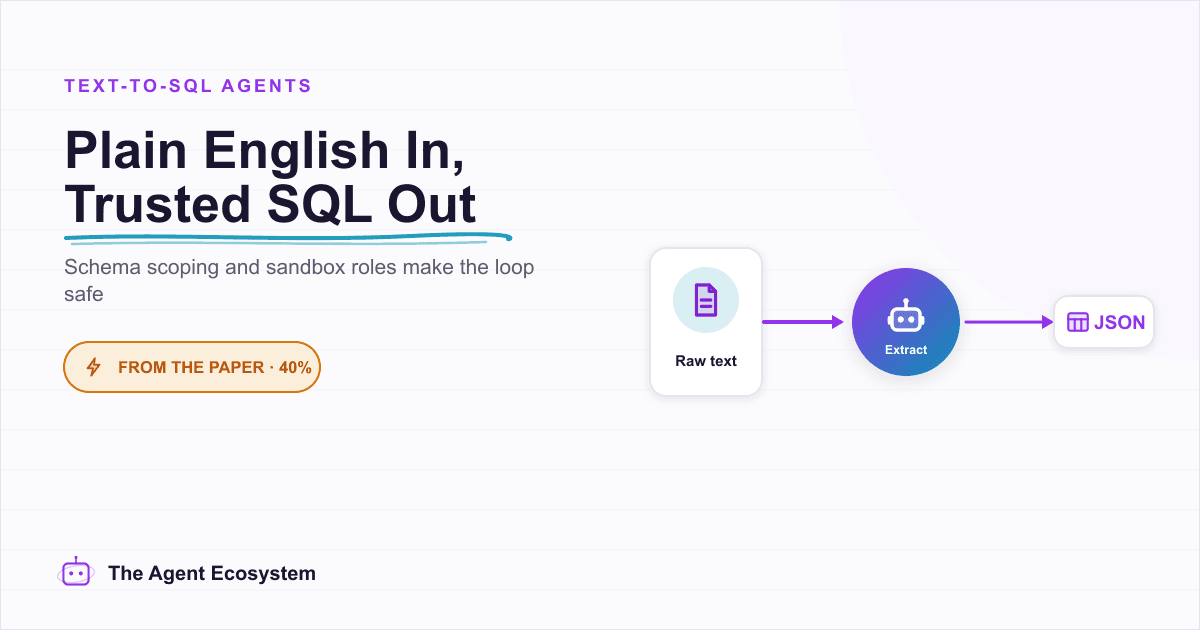
A text-to-SQL agent turns 'how many customers churned?' into a real query against a real database. The models are good enough to try this in 2026, but accuracy is mostly a schema problem and safety is entirely a database problem. This is the loop that makes generation reliable,
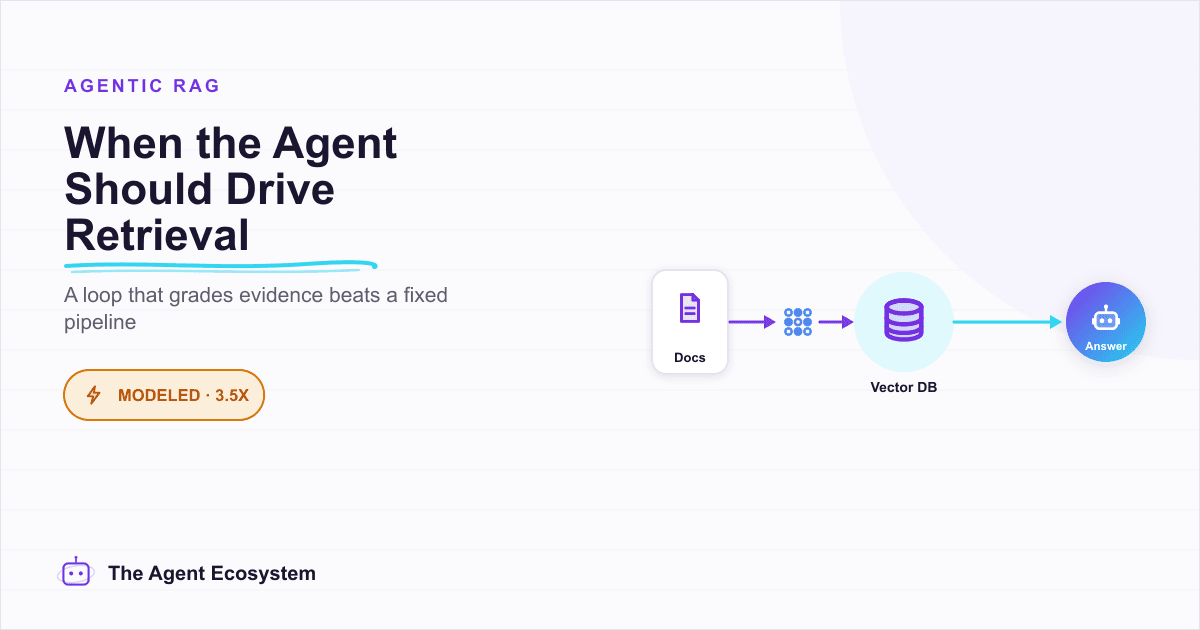
Classic RAG runs 1 fixed retrieval pass and hopes the chunks are right. Agentic RAG puts a model in charge of the search itself: rewriting queries, grading what came back, and retrying until the evidence covers the question. This is the mechanism behind the loop, the modeled 2
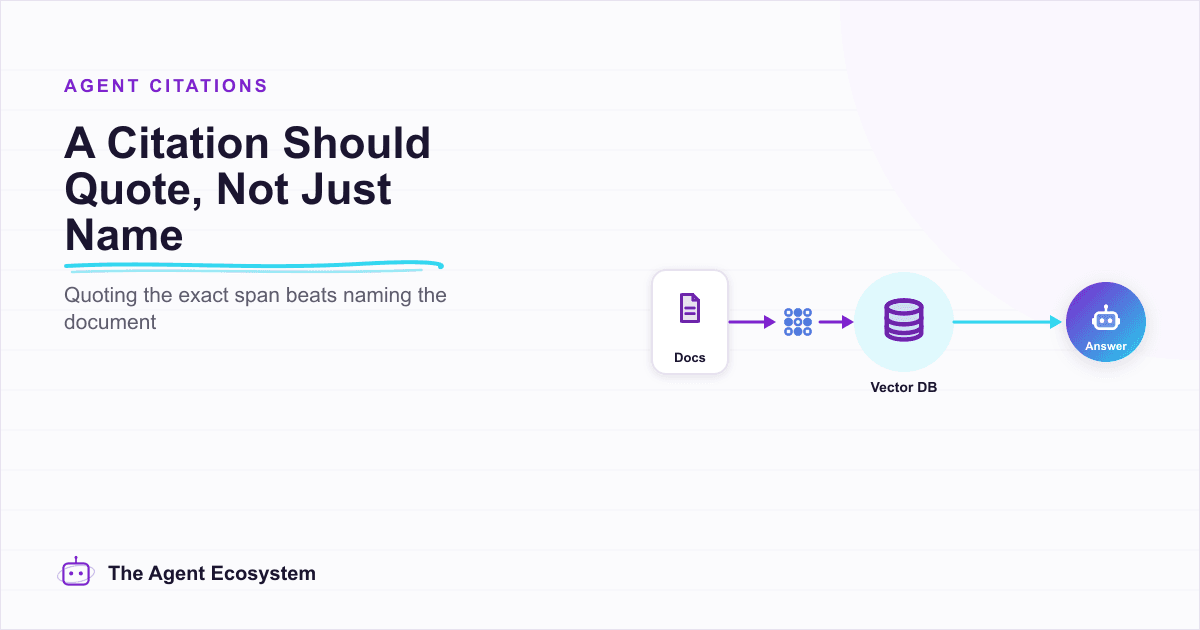
Naming a document is not the same as quoting it. This is the mechanism behind a real inline citation, the specific difference between a citation that is correct and one that is faithful, and why a confidently-wrong citation does more damage than an honest gap. Citations reduce
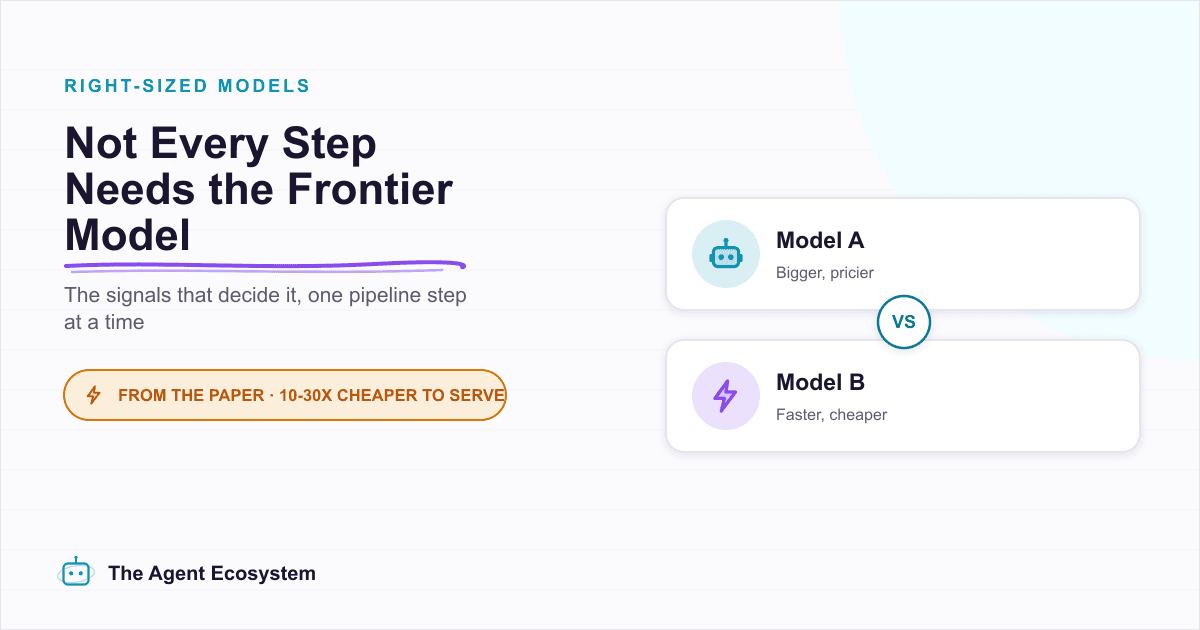
Most agent pipelines run every step on the same frontier model out of habit, not need. This is the decision framework for picking a small model per step instead of per pipeline: whether the output space is narrow, whether the task needs multi-hop reasoning, whether you can
The tool you pick is not what decides the risk, the autonomy level is. This is a tool-agnostic, 4-level framework for how much a coding agent should actually be allowed to do, from a diff that waits for your approval to a merge and deploy with no human step at all, grounded in
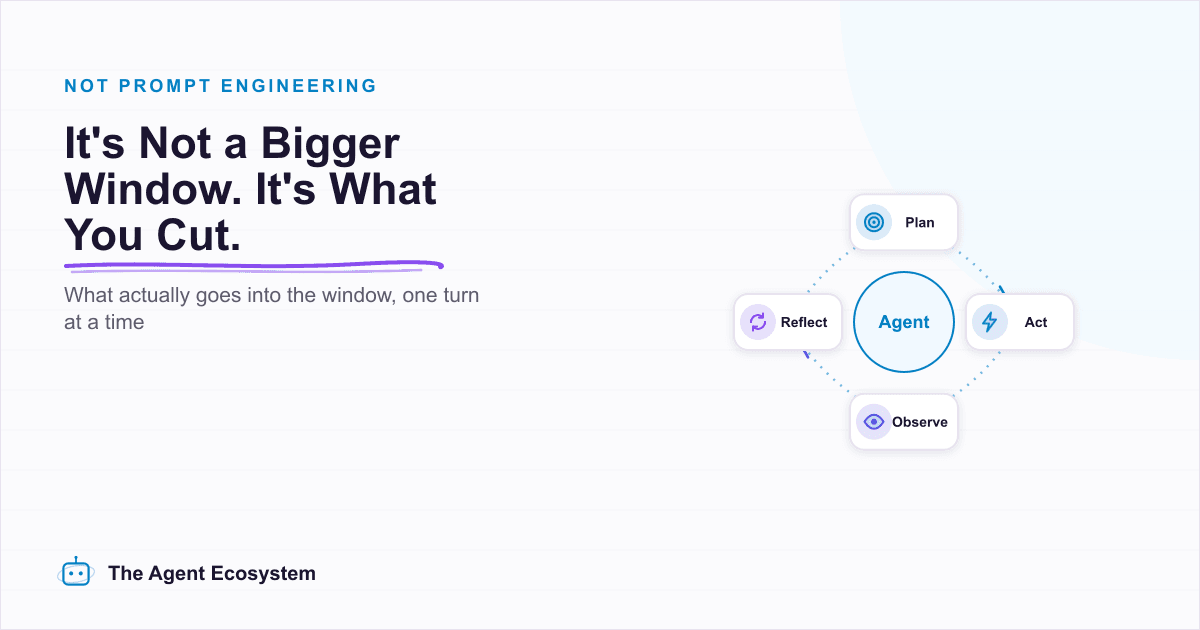
Prompt engineering wrote the instructions. Context engineering decides what an agent actually sees on any given turn: which tools stay in scope, which documents survive the cut, and when a long run needs to compact its own history or spin off a sub-agent instead of dragging
Real production traces are the best eval data you can get, and most teams do not have enough of them yet. Here is the concrete mechanism for generating a synthetic eval set from a handful of real examples, plus the honest failure modes: data that drifts from what real users do,
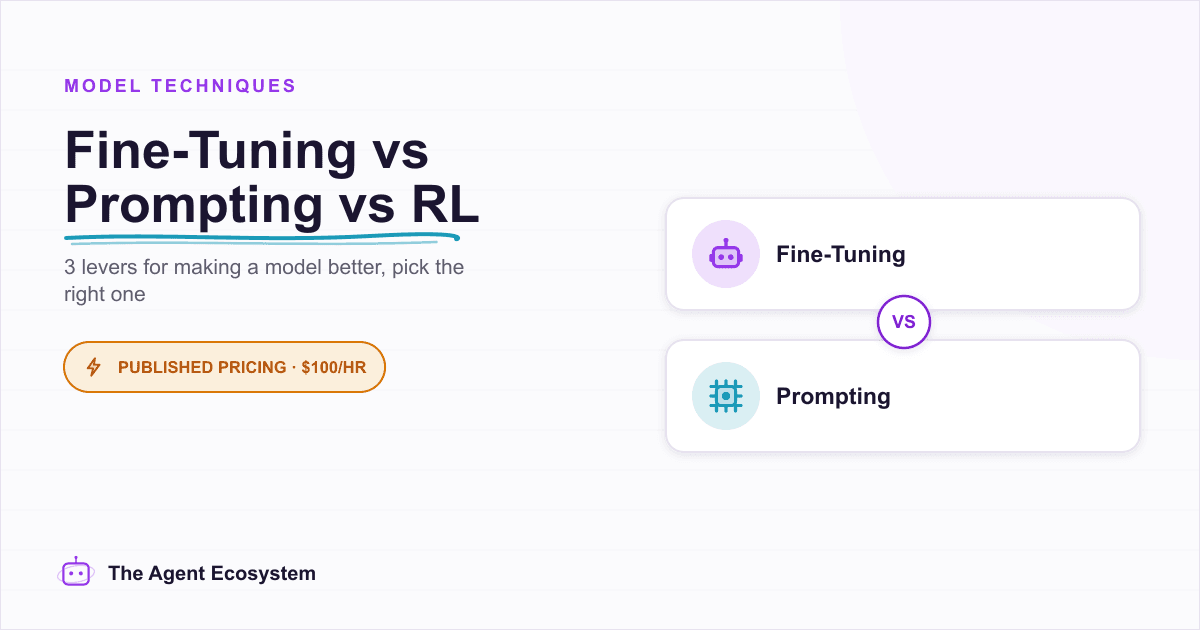
Prompting, supervised fine-tuning, and reinforcement learning are 3 different ways to make a model better at your task, and they are not interchangeable. Here is what each one actually changes, the 2026 shift that just narrowed the fine-tuning lane at OpenAI and Google, and the
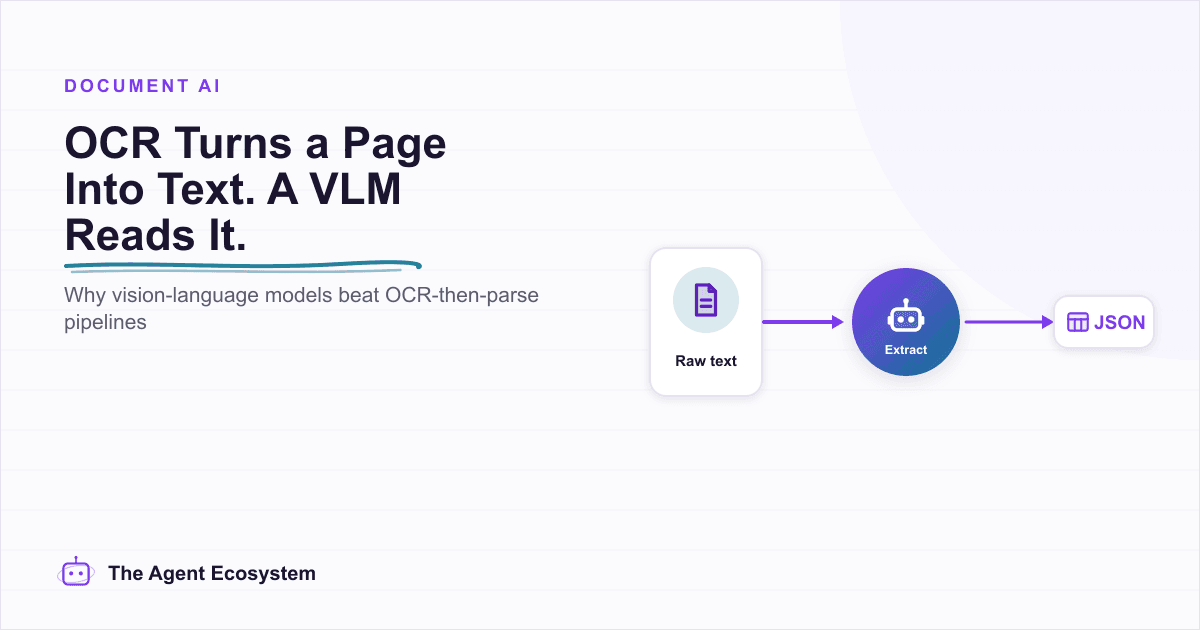
OCR-then-parse converts a page to text outside the model, so a language model only ever sees what the OCR engine decided to keep. A vision-language model reads the page itself, pixels and text together, which is why it can answer a question about a specific box on the page while
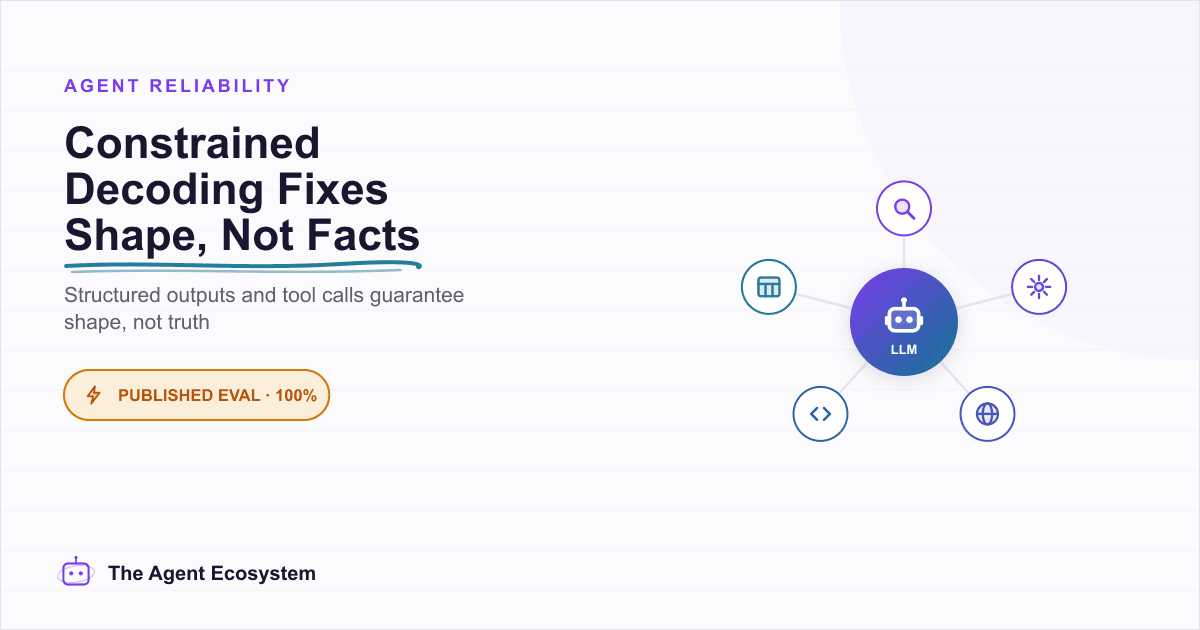
Constrained decoding is the mechanism behind OpenAI's Structured Outputs and Anthropic's strict tool use: it compiles your JSON Schema into a grammar and masks invalid tokens before they can ever be sampled, so shape failures stop happening. What it cannot do is check that the
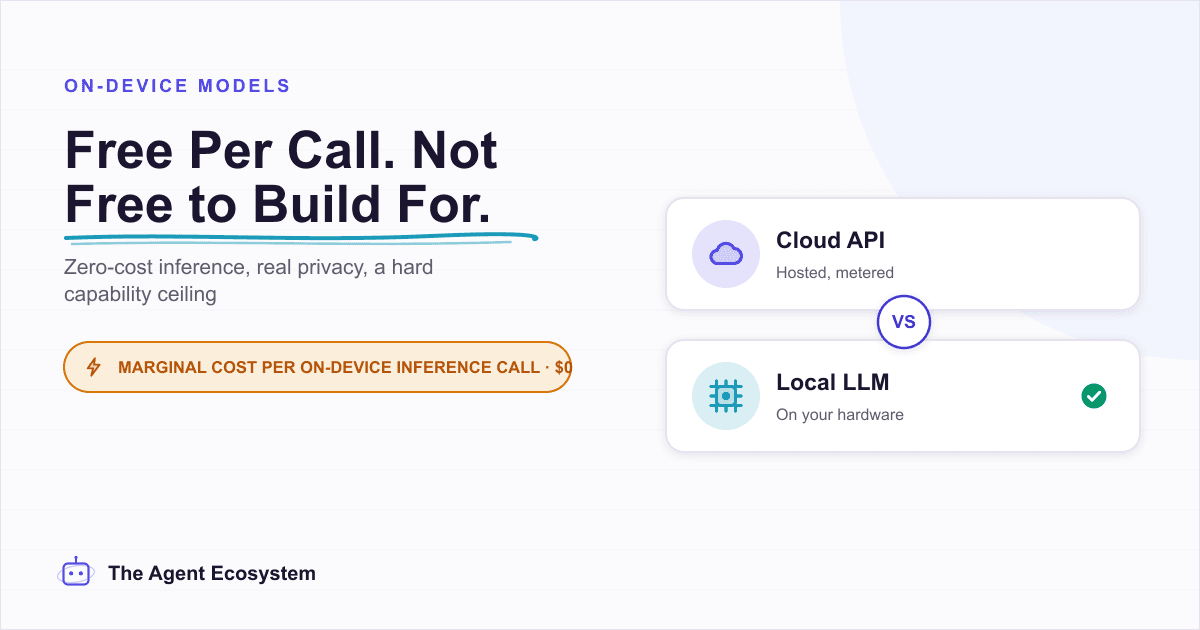
Apple and Google both ship a language model built into the phone itself, callable through a platform SDK at zero marginal cost per call, fully offline, with data that never leaves the device. Here is what Apple's Foundation Models framework and Google's Gemini Nano actually do,
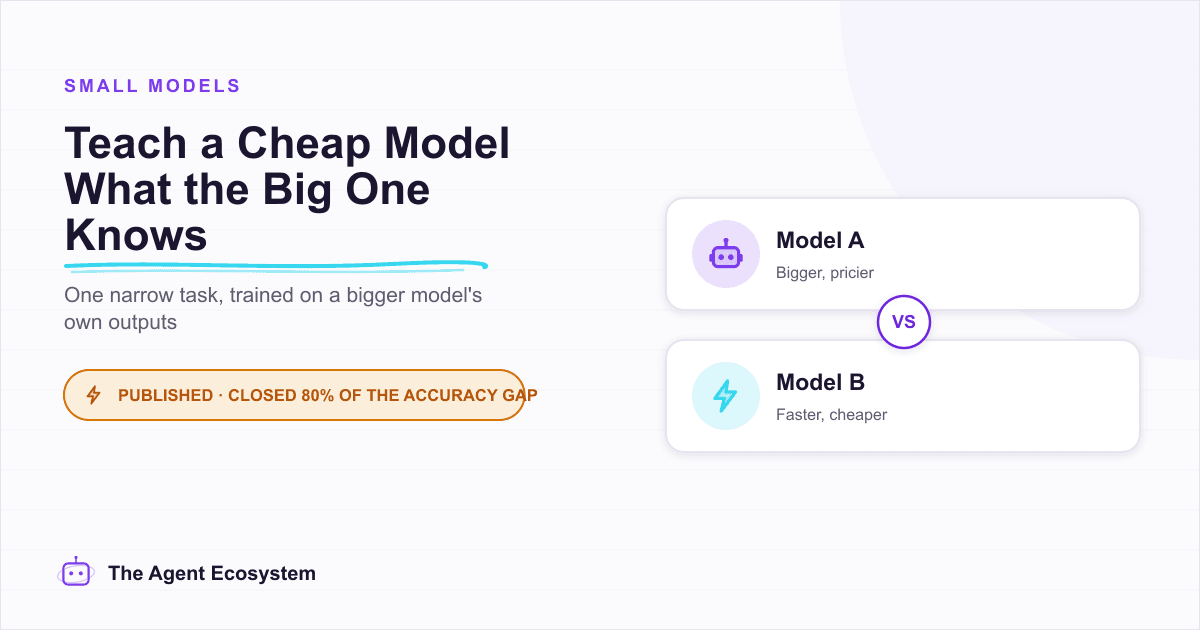
Model distillation trains a brand-new small model to imitate a larger teacher model's outputs on one narrow task, so production runs on the cheap model instead of paying frontier prices for every call. Here is the actual mechanism, what OpenAI's Model Distillation feature and
An LLM gateway is a proxy layer that gives your app one stable endpoint across several model providers, then decides which one answers each request. Most of what ships as "smart routing" is really 2 jobs, automatic fallback and cost-based rules, not model choice driven by
Installing a community MCP server means running someone else's code with your credentials, and nothing resembling an app-store review checks it first. Here is what the research and the official spec actually document about tool poisoning, supply-chain risk, confused-deputy
When an agent calls a tool on a user's behalf, most systems today can only see the agent, not the person. Here is what RFC 8693 token exchange and the newly shipped ID-JAG pattern actually do about that, and why a single shared credential stops working the moment more than one
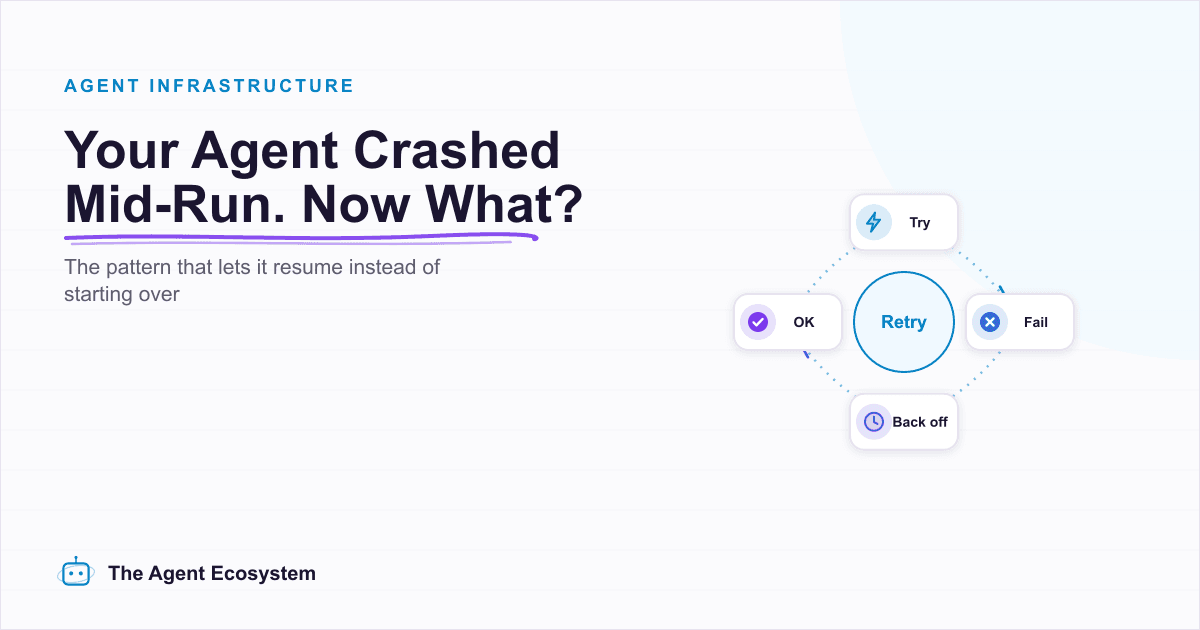
A long-running agent that crashes at hour 6 either starts over from zero or resumes from its last checkpoint, depending on whether you built it with durable execution. Here is what checkpointing and replay actually do, how Temporal, Inngest, DBOS, and Restate differ, and what it
Realtime voice AI agents split into 2 real architectures: a cascaded pipeline of 3 chained models, or a single native speech-to-speech model. This piece grounds the tradeoff in OpenAI, Google, and Amazon's own documented specifics, not vendor marketing.
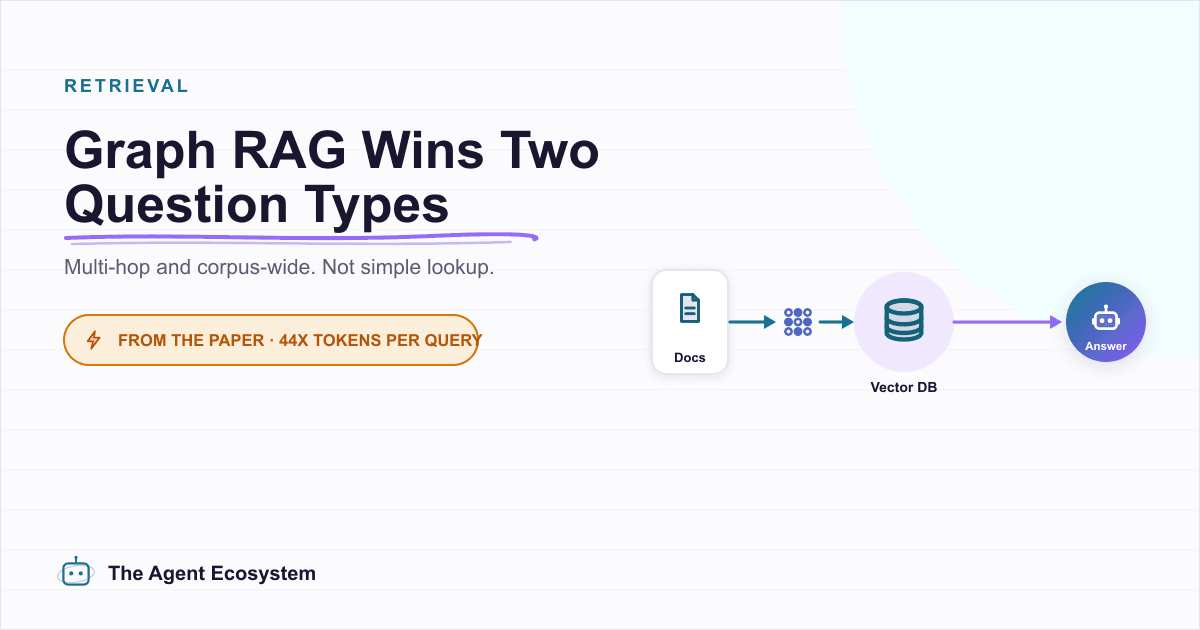
Graph retrieval builds an entity-and-relationship graph out of your documents and walks it at query time instead of ranking chunks by similarity. On a published benchmark it beat reranked vector search by 10.5 points on complex reasoning and 13.1 on contextual summarization, and
An AI agent with real tool access is only as safe as its weakest credential and its execution boundary. This post covers the containment half of agent security: scoping every tool to its own narrow credential instead of one shared key, and running anything that executes code
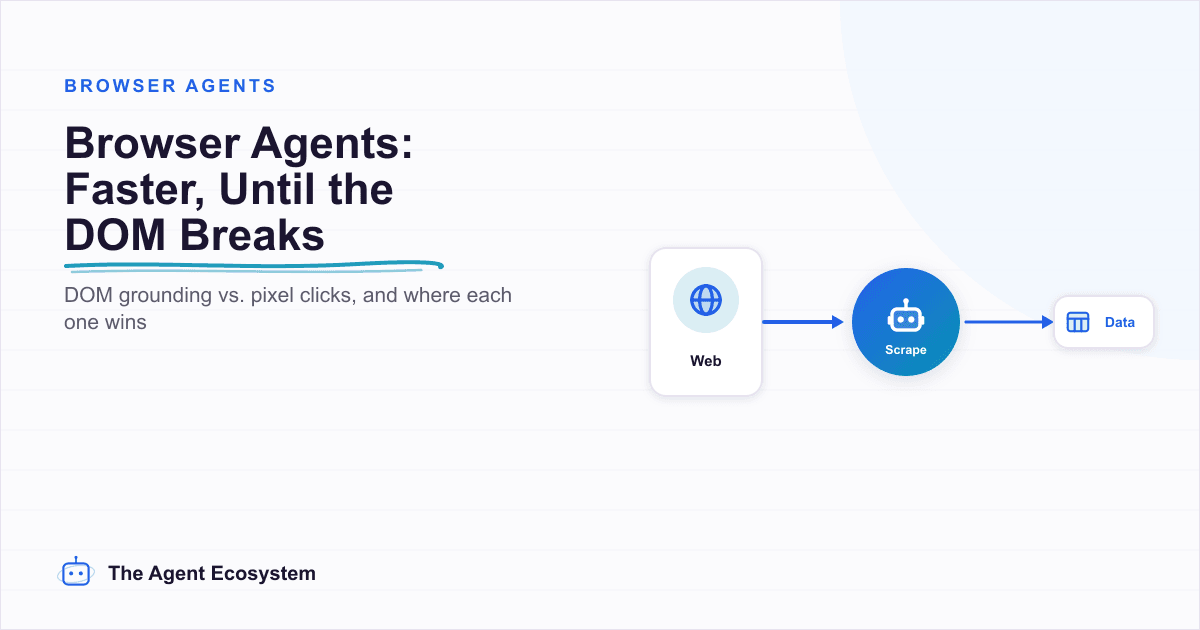
Browser agents and computer-use agents both drive real interfaces, but they read the page in completely different ways: one asks the browser for a structured list of elements, the other looks at a screenshot and guesses. That difference is why a DOM-aware browser agent is
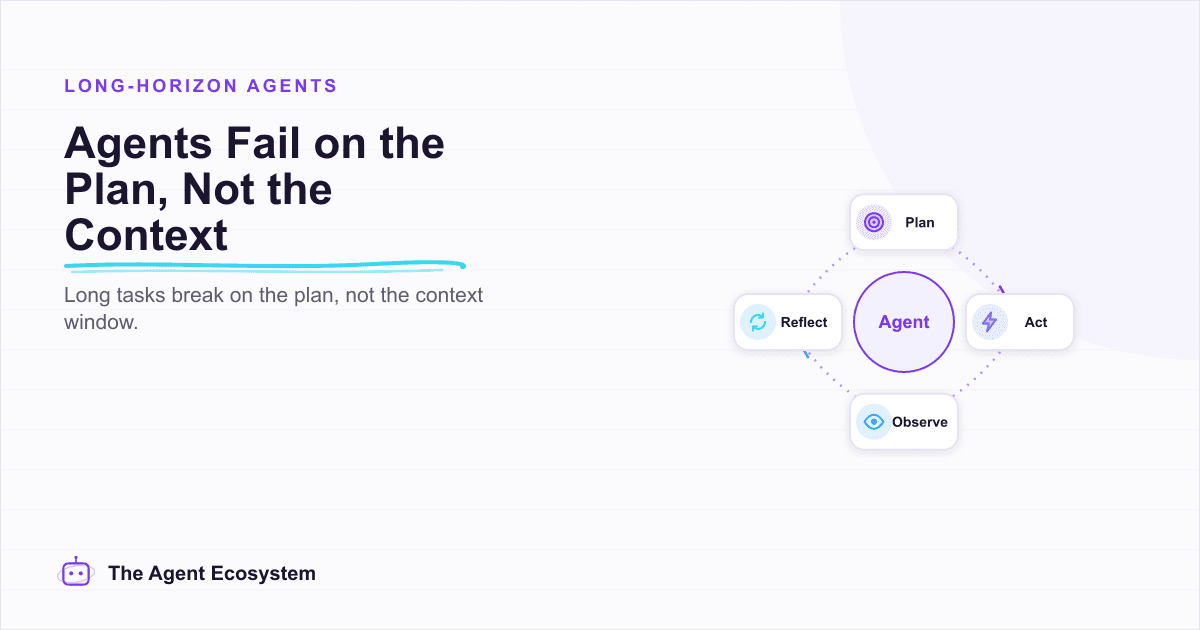
Long-horizon AI agents don't fail because they run out of context. Andon Labs' Vending-Bench found no correlation between failed runs and how full the context window was. Here is what the verified research says about why agents actually drift on long runs, and the
An LLM judge can pass 80%+ agreement with human raters and still lie to you in specific, documented ways: non-deterministic scores, self-preference bias, leniency, and overfitting to the judge itself. Here is what independently-verified research says about each pitfall, and the
A webhook URL is just a URL, and n8n has no built-in way to confirm a request actually came from Stripe, Twilio, or GitHub rather than anyone who found it. Here is how to build signature verification with a Code node, the raw-body Base64 decoding gotcha that breaks most first
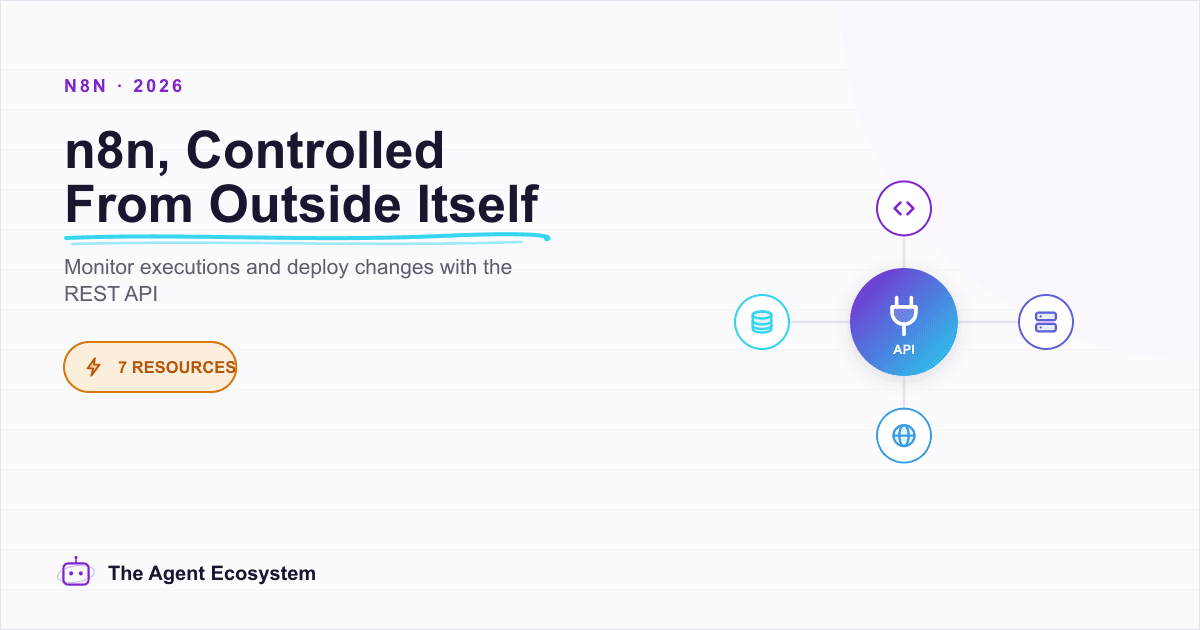
Once you are running more than a handful of n8n workflows, clicking through the editor stops being a reliable way to know what state everything is actually in. Here is how to use n8n's own REST API to monitor executions, catch a silently failing workflow, and deploy a change
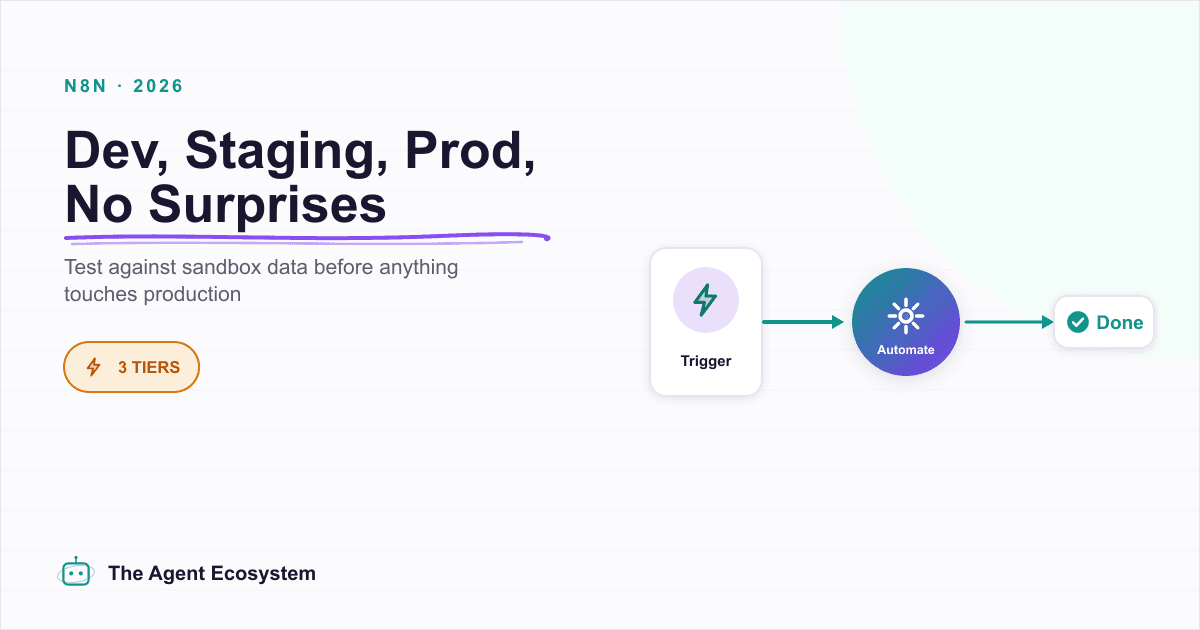
Testing a workflow change against the same instance that runs your live automations is one bad expression away from a broken production run. Here is how to set up separate dev, staging, and production n8n instances, parameterize what differs between them, and promote a change
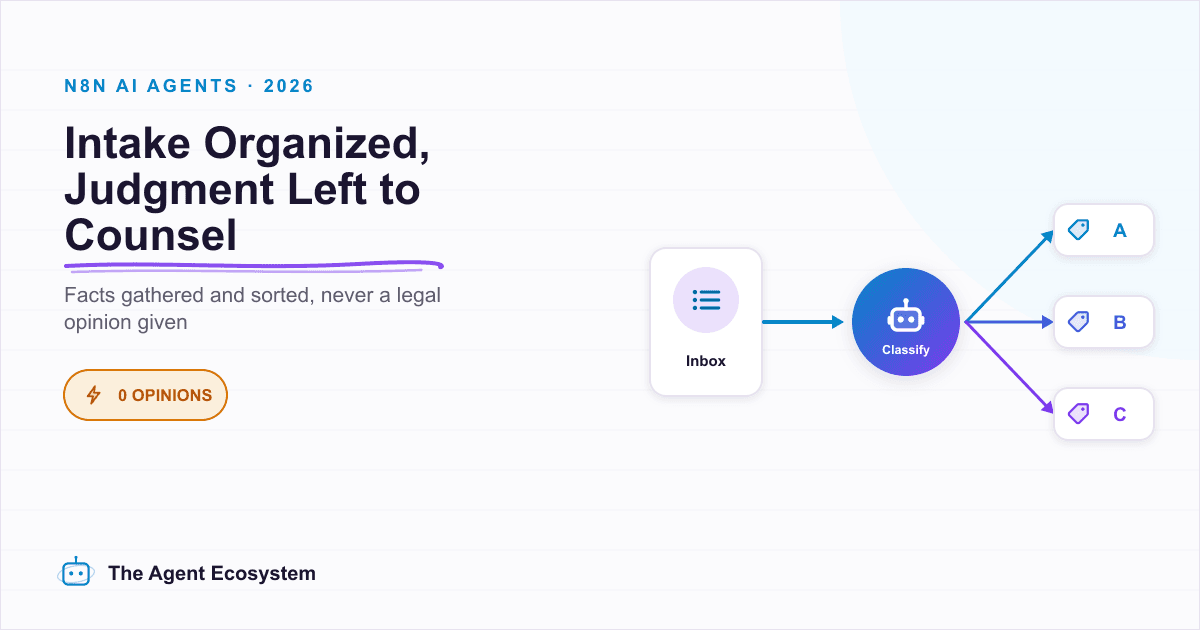
Before an attorney can act on a new inquiry, someone has to sort it by practice area, check for a conflict of interest, and gather the basic facts a first call will need. Here is how to build an n8n AI agent for that intake step, one that never crosses into legal judgment, case
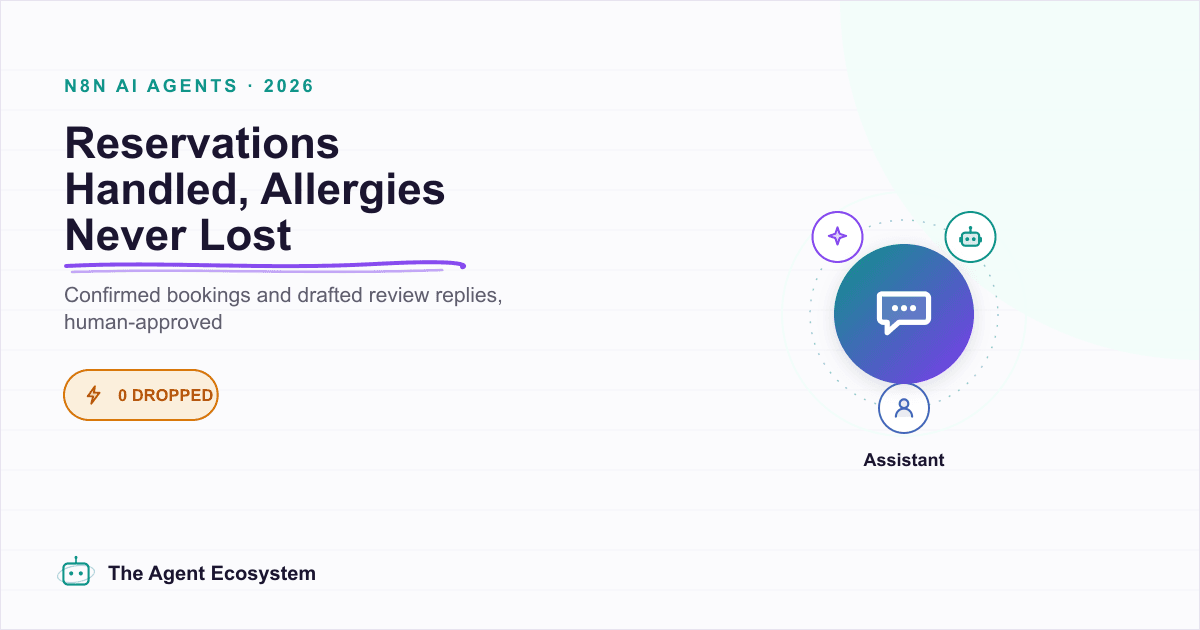
A reservation request at 9 PM with an allergy note can sit unanswered until morning, and the allergy note itself is exactly the detail that cannot get lost. Here is how to build an n8n AI agent that confirms bookings against real availability, flags every allergy verbatim, and
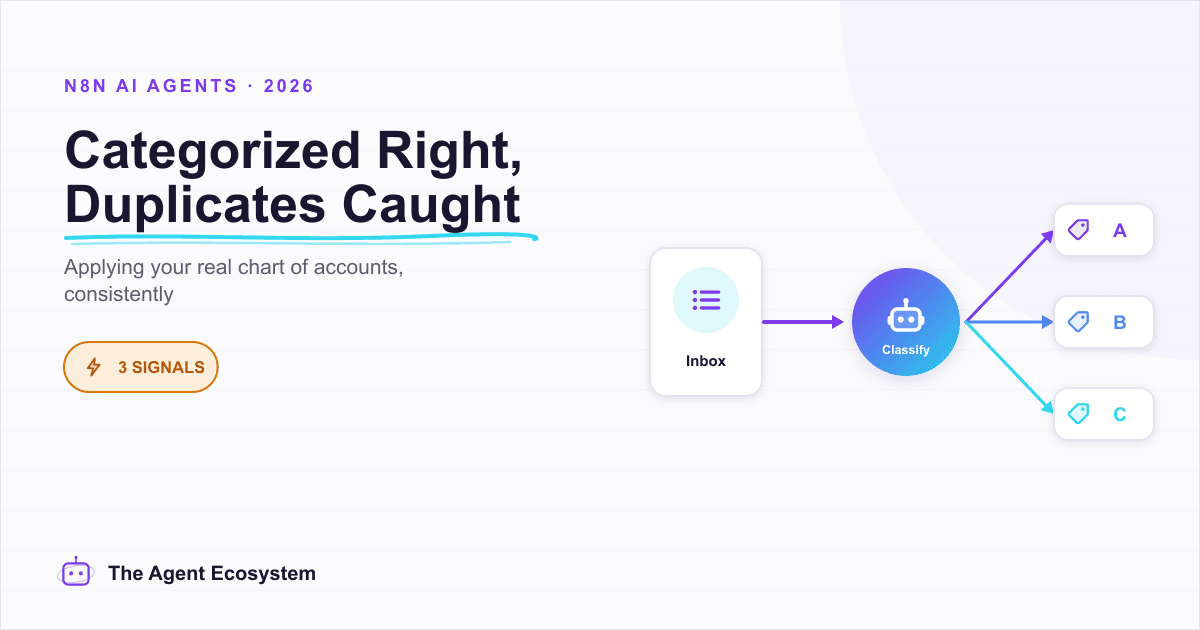
Pulling a vendor and a total off an invoice is the easy half of bookkeeping automation. Deciding which category it belongs to and catching the duplicate that already got entered last month is the harder half. Here is how to build an n8n AI agent for that step, one that flags
An n8n AI agent can read a tenant's maintenance request the moment it arrives, sort it by real urgency and category, and route it to the right vendor before a property manager opens it. Here is how to build the triage logic, why certain safety issues must always bypass it
Answering "can I return this" correctly means checking the purchase date, the item's category, and its condition against your actual policy, all at once. Here is how to build an n8n AI agent that applies your return policy as explicit rules, quotes the specific line it relied
An n8n AI Agent can sort a large batch of resumes into a shortlist, a maybe pile, and a clear no against explicit, job-specific criteria, before a recruiter opens a single one. Here is how to build it so it screens for stated qualifications only, ignores protected-class proxies,
An n8n AI Agent can text a new real estate lead the 1 or 2 questions that actually separate a serious buyer from someone browsing, then route a qualified lead to the right agent within minutes. Here is how to build the qualification logic, why it should ask explicit questions
A phone call is not one webhook and one reply. Twilio asks n8n for TwiML instructions after every turn, and the AI Agent node's job is generating what to say next inside that loop. Here is how the turn-by-turn pattern works, the gotchas that drop calls, and when plain n8n stops
An n8n AI Agent can turn a Calendly booking into a short, useful briefing: who is meeting, what they want to discuss, and whether your CRM or inbox has any history with them. Here is how to build it, since n8n only offers a Calendly Trigger, not an action node, and why that
An n8n AI Agent can read a new Zendesk ticket, tag and prioritize it against rules you define, and route it to the right group, all before a human opens it. Here is how to wire Zendesk in as a tool, avoid the tag-replacement trap that silently deletes existing tags, and keep
An n8n AI Agent can look up a Shopify order's real fulfillment status and draft a grounded reply to a "where is my order" question in seconds. Here is how to wire Shopify in as a read-heavy tool, what changed in how Shopify issues API credentials in 2026, and why refunds should
An n8n AI Agent can score a new HubSpot lead the moment it arrives, log which rules fired, and route a task to the right rep, all against a rubric your sales team owns. Here is how to wire HubSpot in as a tool and keep the scoring auditable instead of a black box.
An n8n AI Agent can look up a customer's charges, invoices, and subscription status and draft a grounded answer to a billing question in seconds. Here is how to wire Stripe in as a read-heavy tool and why refunds and subscription changes should stay gated behind a human
An n8n AI Agent can create and update Airtable records, search a base with Filter By Formula, and keep a deal tracker or content calendar current from a single chat message. Here is how to wire the Airtable node in as a tool and design a schema the agent can map to reliably.
An n8n AI Agent can read a pull request the moment it opens, label it by size and risk, request the right reviewer, and draft a starting comment, all before a human opens the diff. Here is how to wire GitHub in as a tool and why this is triage, not a replacement for a real
An n8n AI Agent can read a new Salesforce Lead or Case, decide what a rule engine cannot, and write the fix back through the Salesforce node. Here is how to wire it as a tool, keep it from guessing at fields it cannot infer, and gate every write behind a human check.
An n8n AI Agent can create Notion pages, update database properties, and search your workspace from a single chat message. Here is how to wire the Notion node in as a tool, design a schema the agent can map to reliably, and gate every write behind a human check.
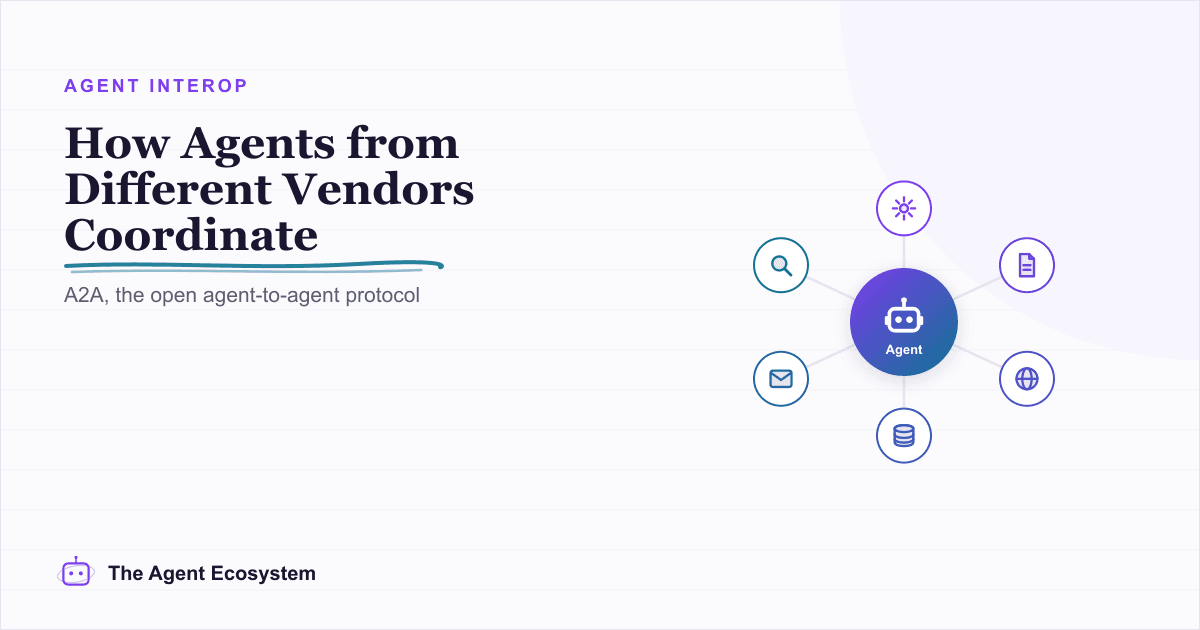
A2A (Agent2Agent) is an open, Linux Foundation-governed protocol that lets AI agents from any vendor discover each other and hand off tasks. Here is how Agent Cards work, how A2A differs from MCP, and whether your small team needs it yet.
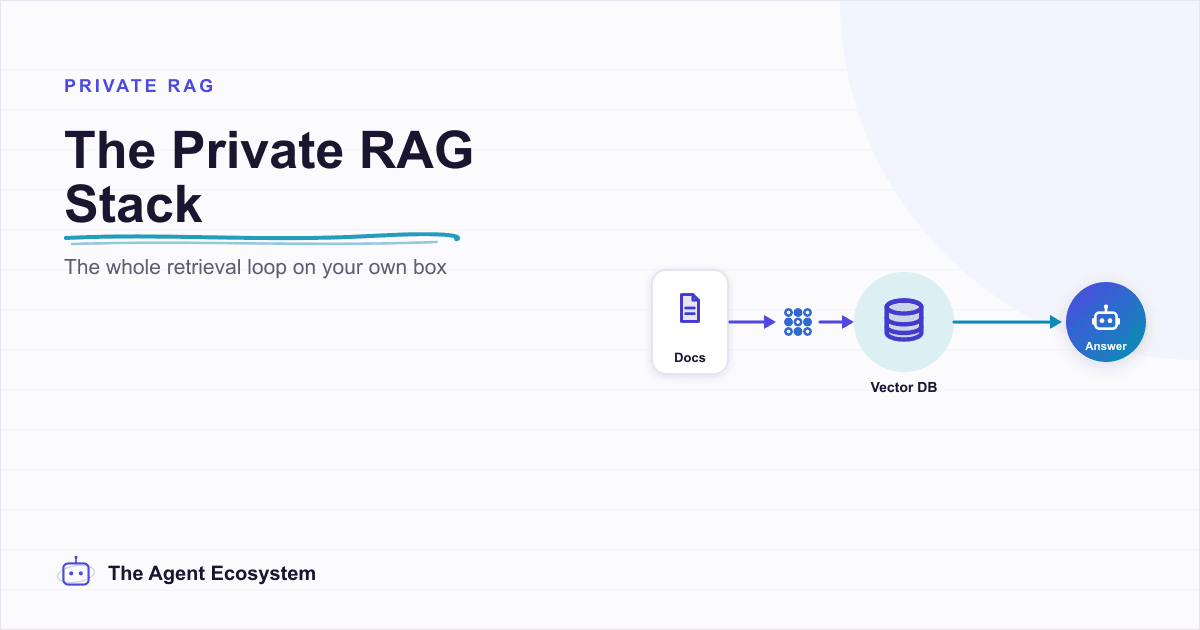
A fully self-hosted RAG pipeline keeps your documents and compute in-house: n8n orchestrates, Ollama serves a local model, and pgvector stores embeddings in Postgres. Here is the end-to-end node graph, the modeled cost, and when self-hosting beats a managed stack.
The Model Context Protocol's 2026-07-28 revision is at release candidate now. It makes the core stateless, aligns authorization with OAuth 2.1 and OpenID Connect, and reports about six breaking changes production servers must handle first. Here is what it means if you ship
An official US evaluation says DeepSeek V4 Pro lags the frontier by about eight months. It gets quoted as a verdict. My take: for most real coding and automation work, an open-weight model that is eight months behind at a fraction of the price is not a compromise, it is the
HPE and NVIDIA's AI Factory, NVIDIA's Vera CPU and Agent Toolkit, and NAVER's coming platform are real enterprise agent infrastructure. For a small team, they are mostly noise. Here is where the heavy stack earns its keep, and why I would still default to n8n and one API.
Crusoe is reportedly in talks for a big new round, Anthropic hired IPO counsel, and Sonnet 5 shipped as the company races toward a blockbuster IPO. Infra megarounds and public markets mean commercial pressure on the exact APIs your automations depend on. Here is my take on
A June 2, 2026 US executive order invites frontier-model developers to voluntarily hand the government up to 30 days of pre-release access for security review. It is not a license mandate, but paired with GPT-5.6's gated launch it hints at a world where builders get the best
An open n8n Webhook node answers anyone who finds the URL. This hardening guide covers the node's authentication options, HMAC signature checks on the payload, IP and origin allow-listing, rate limiting at a reverse proxy, and why the test URL never belongs in production.
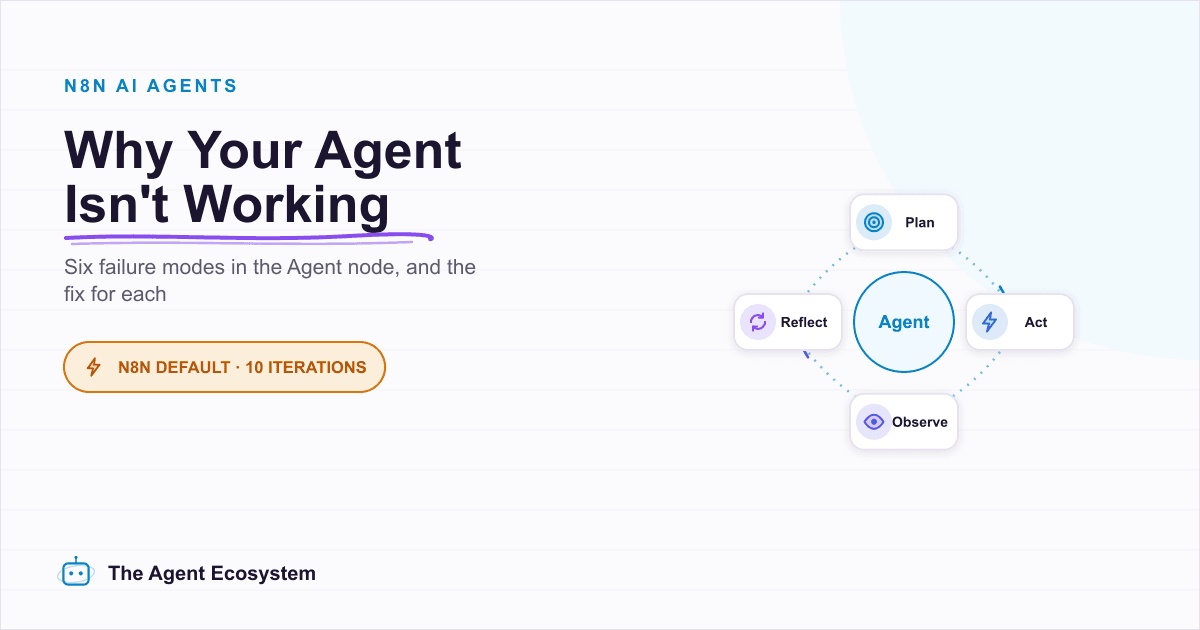
An n8n AI Agent that finishes without an error but ignores its tools, loops until it quits, or returns the wrong shape is almost always a configuration problem. Here are the 6 failure modes that cover most of them, and the specific node setting behind each fix.
Moonshot's Kimi K3 is a 2.8-trillion-parameter model with a 1-million-token context and an OpenAI-compatible API. That last part means it drops into an n8n AI Agent today. Here is how to wire it up, what it costs, and when it beats a frontier model.
Kimi K3, GLM-5.2, DeepSeek V4, Claude, and GPT all plug into an n8n AI Agent, and they are not interchangeable. Here are the 5 questions that decide the pick for your agent, and why the honest answer for most workflows is to route by task, not standardize on one.
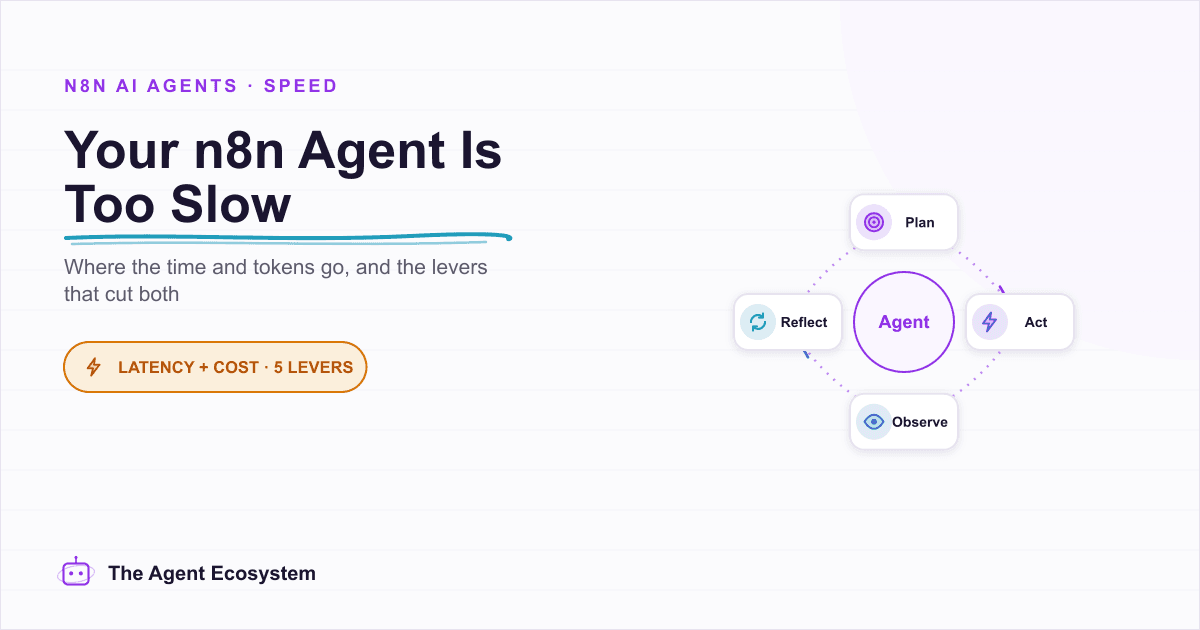
A slow n8n AI Agent is usually doing more work than the task needs: too many tool loops, too big a context, or too heavy a model. Latency and cost come from the same place, the model calls, so here is how to measure them and the levers that cut both at once.
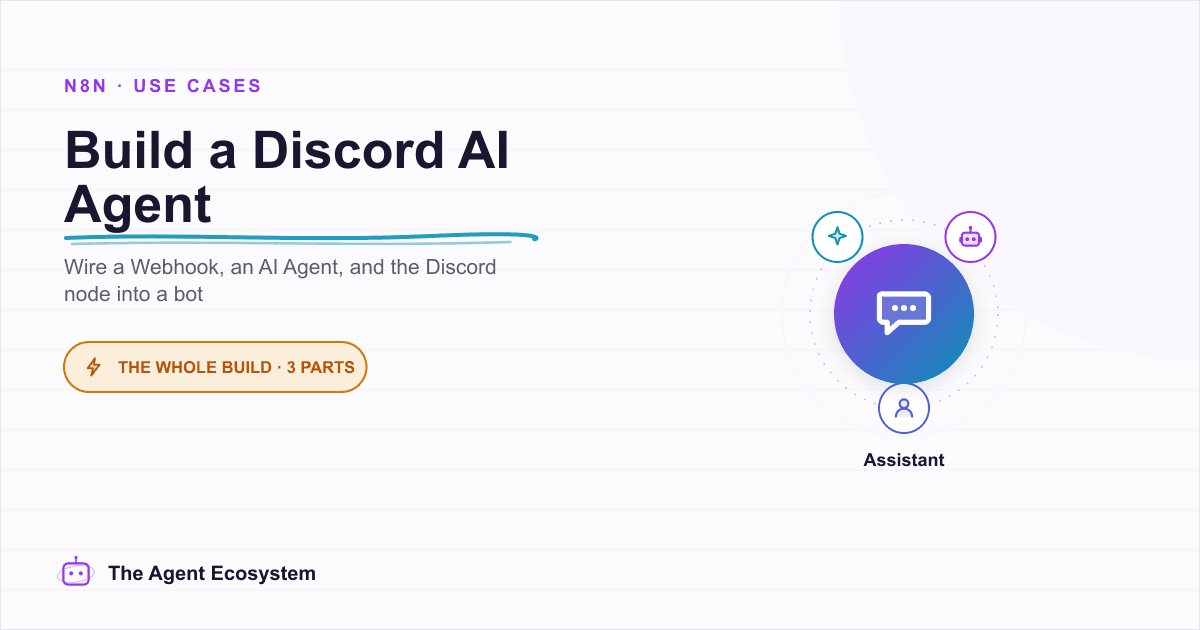
n8n has guides for Telegram and WhatsApp AI agents, but Discord is the gap, mostly because there is no Discord Trigger node. Here is how to build a Discord AI agent from 3 parts: a Webhook trigger, the AI Agent, and the Discord node to reply.
An n8n AI Agent that states a wrong fact or invents a tool result is hallucinating, filling a gap where it has no grounded answer. The fix is not a better model. It is giving the agent real data and constraining what it is allowed to say. Here is how, layered.
Anthropic shipped Claude Sonnet 5 on June 30, 2026 as a cheaper way to run agents, the same week the $10/$50 Fable 5 flagship landed. Here is the verified price-and-benchmark picture, plus my honest take: for most real agent work, the Sonnet tier is the model to default to.
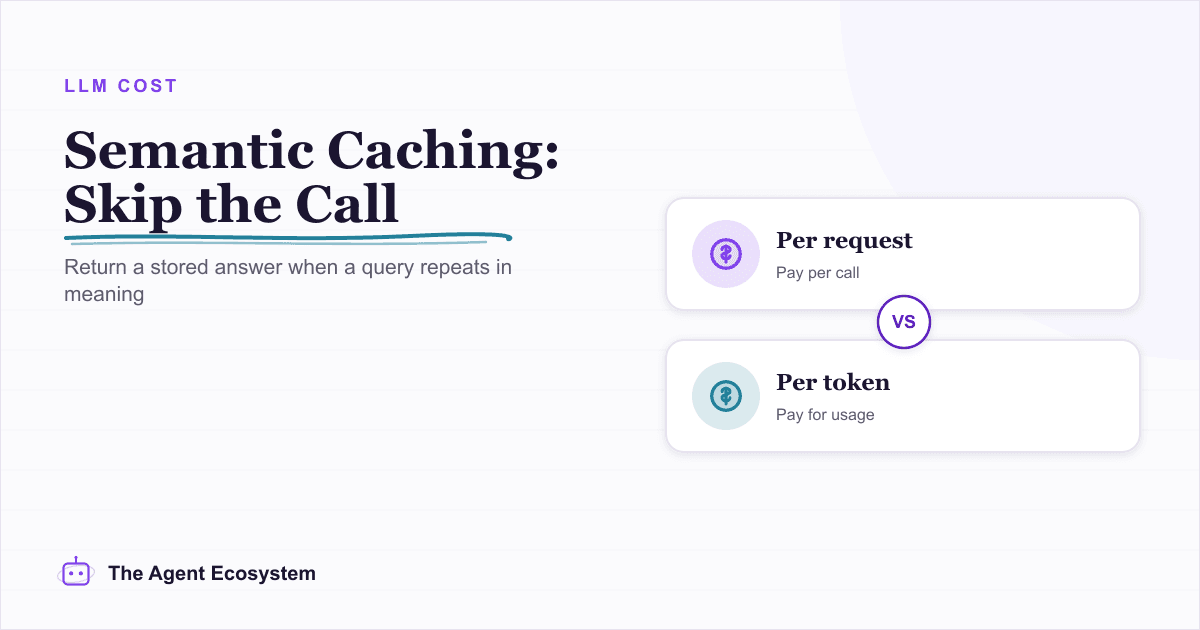
Prompt caching discounts repeated input tokens but still runs the model. A semantic cache embeds each query, searches past query-response pairs, and returns a stored answer on a close-enough match, skipping the call. Here is how it works, how it differs from prompt caching, and
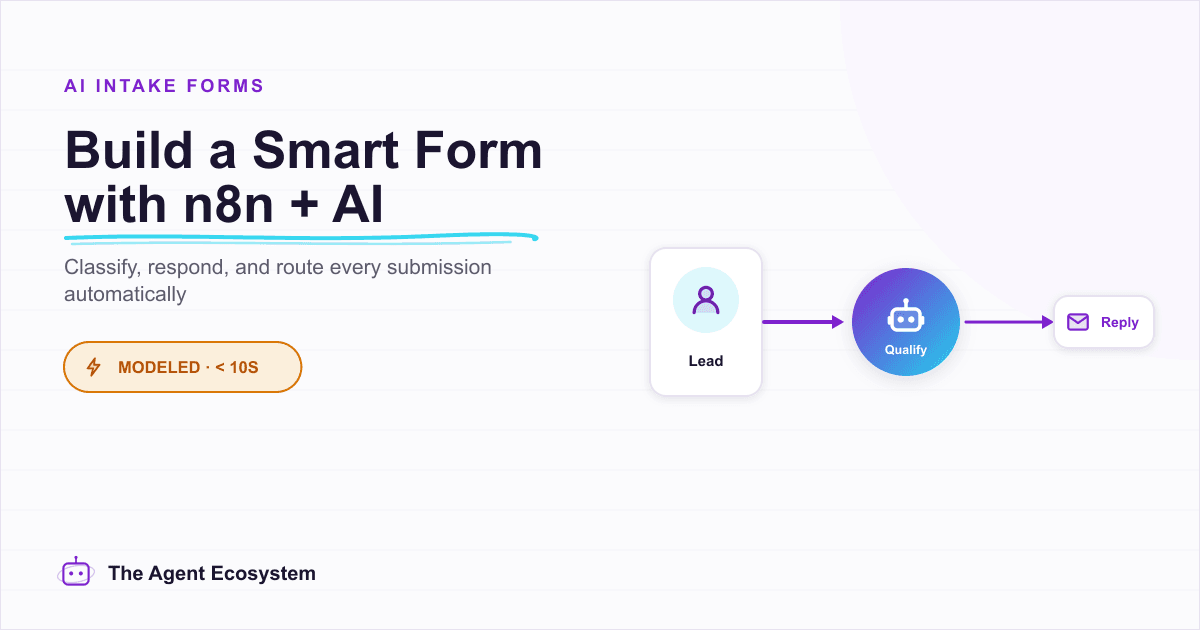
A contact form that sits in an inbox helps nobody. Wire n8n's Form Trigger to an AI agent and every submission gets classified, answered, and routed the moment it arrives.
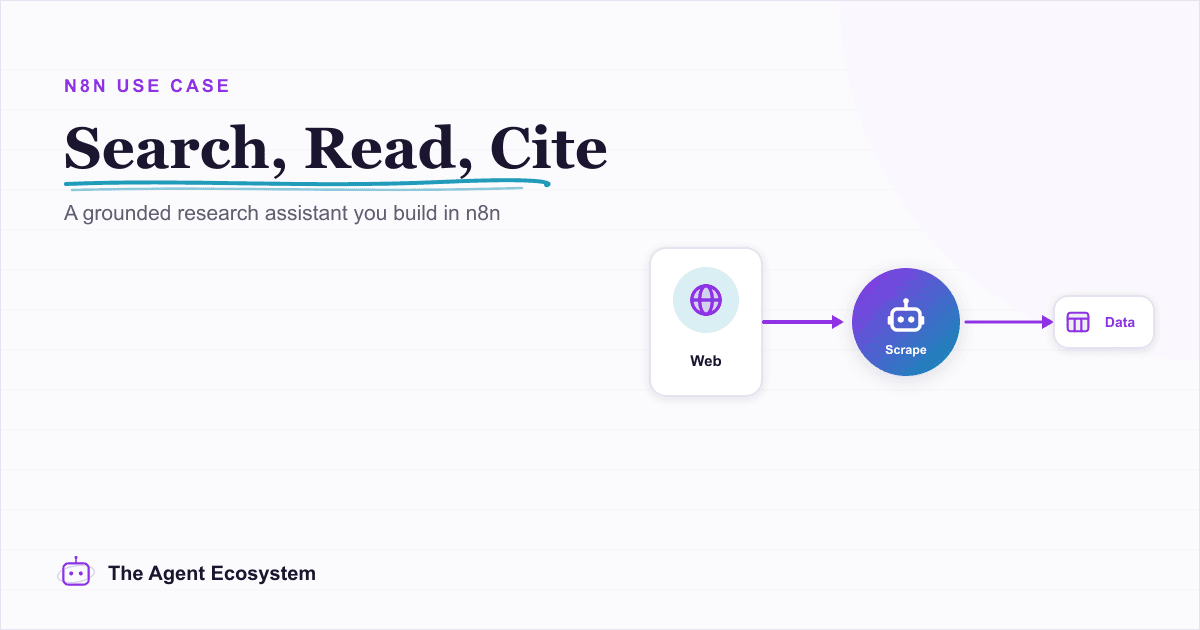
You want a short answer with real, clickable links, not a confident paragraph the model invented. This is how to build an ai research assistant in n8n: capture a question, search the web, fetch and clean the top pages, and summarize with citations grounded only in that fetched
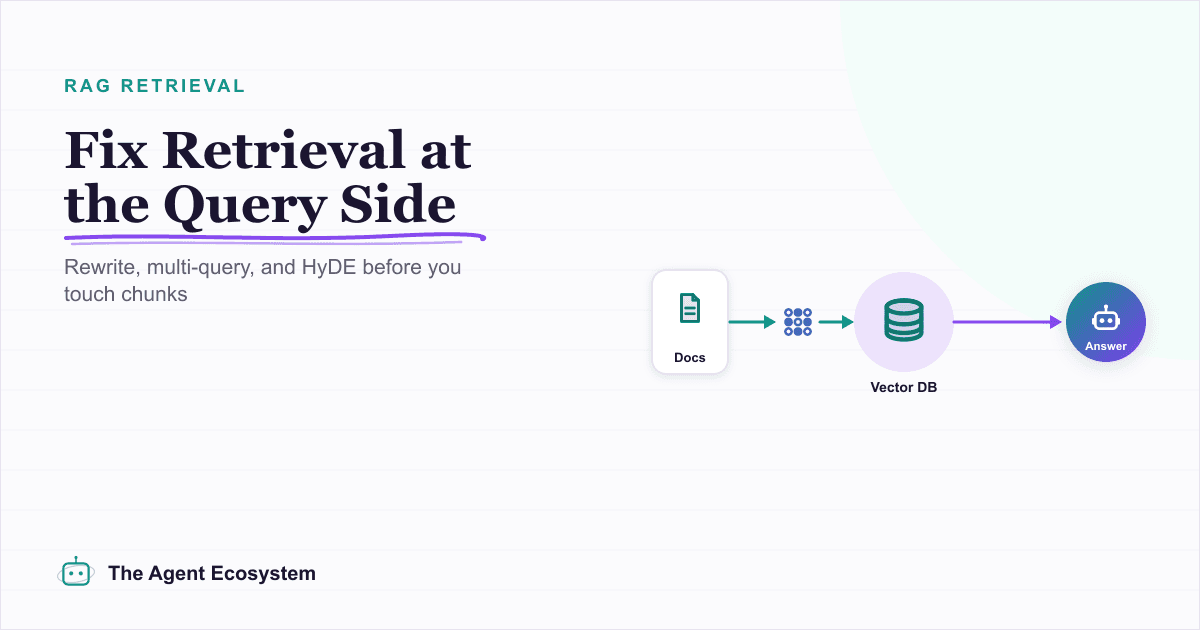
You tuned chunking, added a reranker, and swapped embeddings, but RAG still misses on short or conversational questions. The reason is often the query itself. Here is how query rewriting, multi-query, HyDE, and expansion fix retrieval at the query side, and how to measure
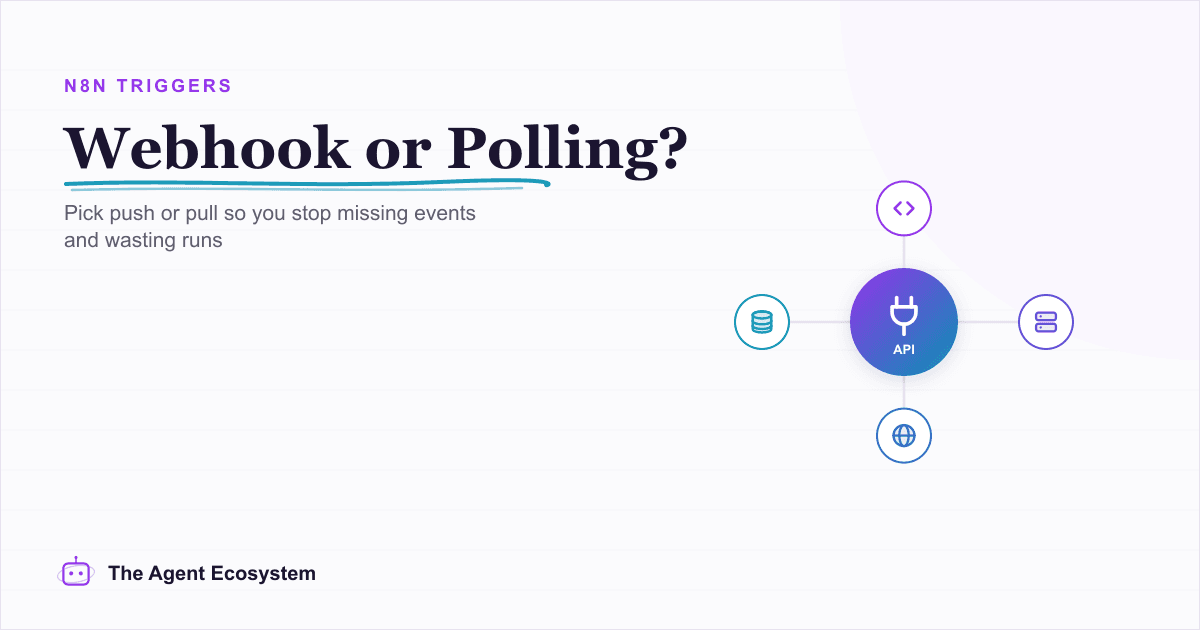
Should an n8n workflow fire the instant an event happens (a webhook, push) or check on a timer (polling, pull)? The wrong pick means missed events or wasted executions. Here is the decision framework plus how to wire each trigger.
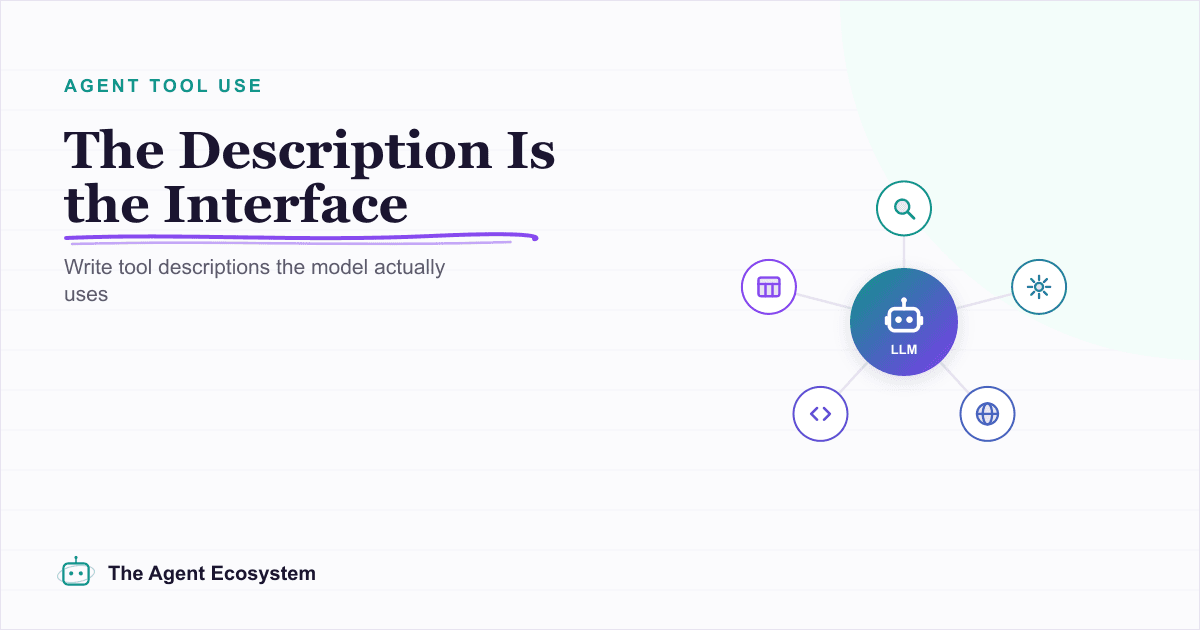
Your agent keeps calling the wrong tool or passing bad arguments, and you blame the model. The real lever is the tool description and its JSON schema: the model picks and fills every tool from that alone. Here is how to write ai agent tool descriptions like onboarding docs for a
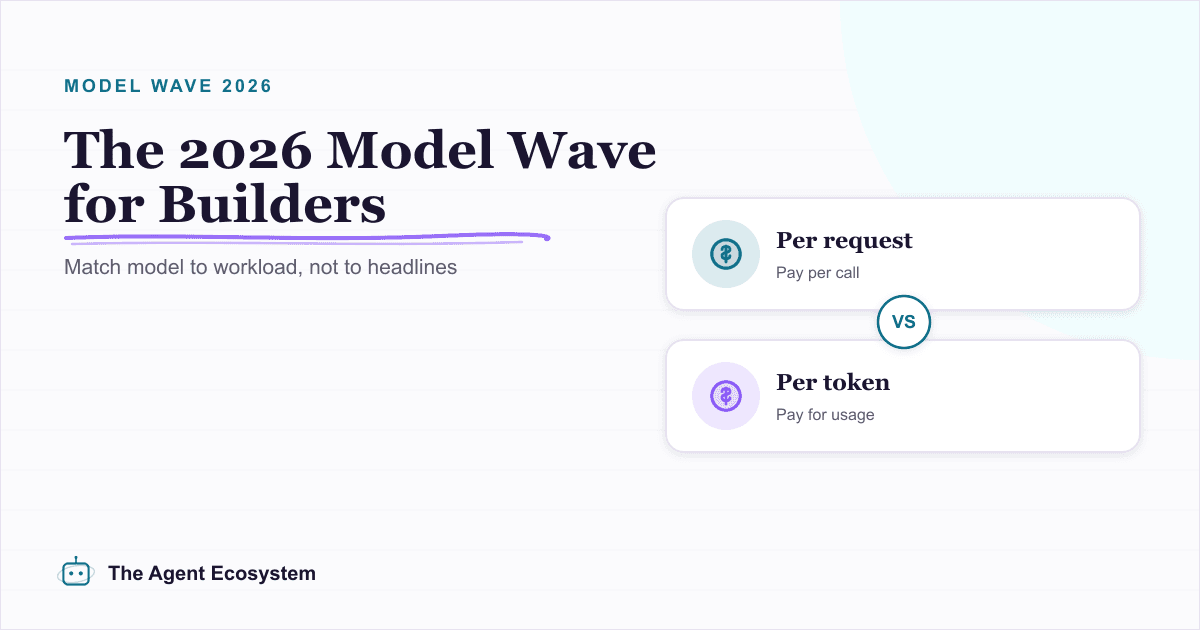
Three model releases landed in two weeks in June 2026: Fable 5, open-weight GLM-5.2, and limited-preview GPT-5.6. Skip the leaderboard drama. Here is the builder's take on which model belongs on which workflow step, with every price and benchmark dated and attributed.
Three frontier models landed in June 2026: Claude Fable 5, Z.ai's open-weight GLM-5.2, and OpenAI's limited-preview GPT-5.6. The numbers do not all measure the same thing, so here is an honest, dated comparison on coding score, price, and openness.
OpenAI previewed GPT-5.6 on June 26, 2026 in three tiers, Luna, Terra, and Sol, with public per-token prices. The twist is access: launch was limited to roughly 20 partners at the behest of the U.S. government, with general availability promised in the coming weeks. Here is the
Z.ai's GLM-5.2 ships open weights under MIT and reportedly leads the open-weight field on SWE-bench Pro while trading blows with Opus 4.8 on FrontierSWE and MCP-Atlas, at roughly one-sixth of GPT-5.5's blended cost. The catch is a hosted-API data-residency caveat.
Anthropic's Claude Fable 5 shipped on June 9, 2026 topping the coding benchmarks it publishes and priced near twice Opus 4.8. Here is an honest read on the reported numbers, the real trade-off, and who should pay the premium.
You spent hours on one post and it went out once. An n8n workflow reshapes that single source into platform-native LinkedIn, X, and Instagram drafts with an LLM and structured output, then routes them to a human review store. Here is the honest build.
In pgvector you choose an index type, and the two real options are HNSW and IVFFlat. With no index, queries do exact search on every row: accurate but slow at scale. Here is the trade-off between the two approximate indexes and how to tune each one.
Your team asks the same question in Slack every week. Wire a Slack Trigger to an n8n AI agent with a vector store and the bot answers from your own documents, in the thread, in seconds.
The built-in AI nodes cover the common cases. But batching rows, reshaping API responses, and building scoring functions hit a wall fast. The Code node fills the gap with JavaScript wherever the visual nodes cannot reach.
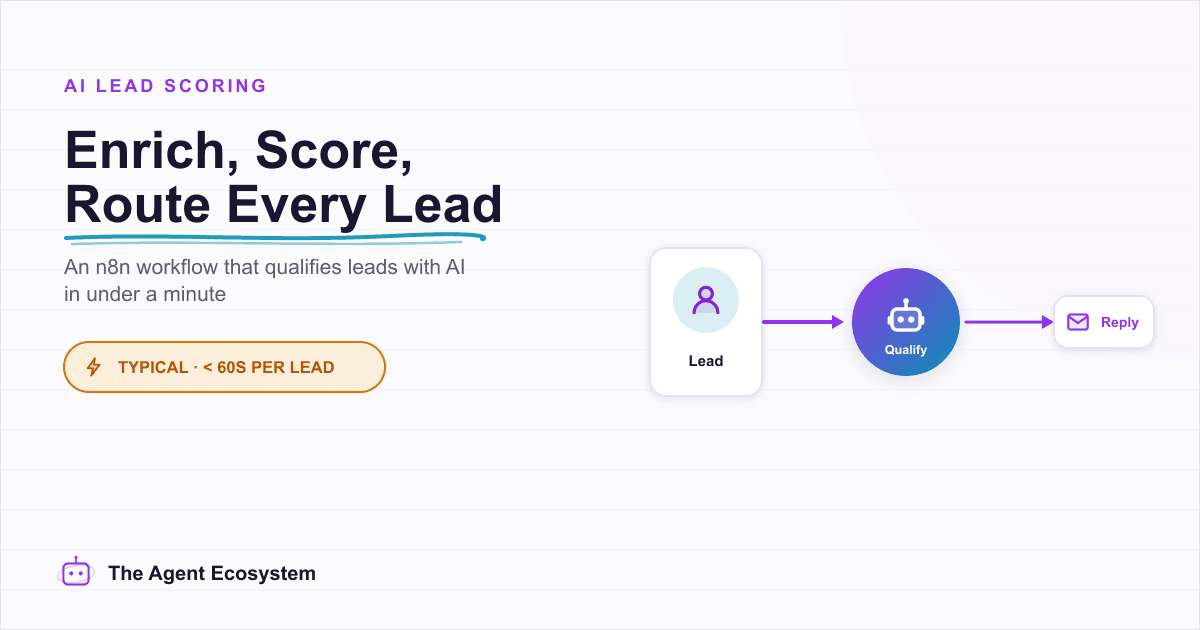
A new lead arrives with nothing but a name and email. An n8n workflow pulls company data, scores the lead with an AI agent against your ICP, and routes it to the right rep or drip sequence before anyone opens a browser tab.
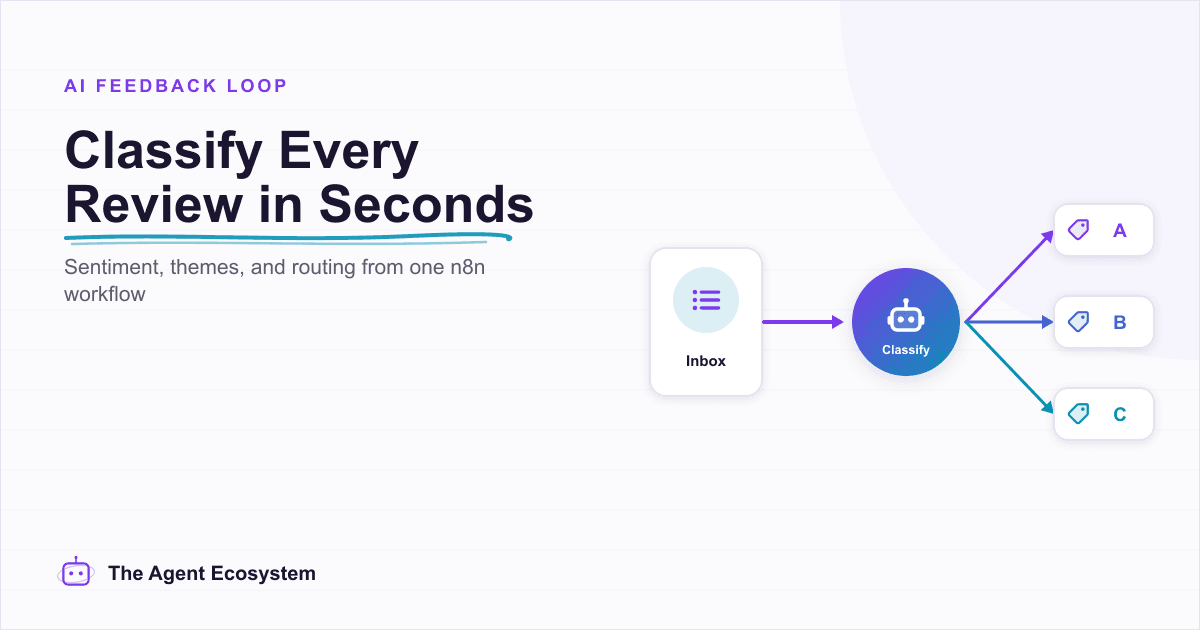
Customer feedback arrives from five places and nobody reads most of it. An n8n workflow with an AI agent classifies every piece by sentiment and theme, routes urgent complaints immediately, and builds a weekly digest your product team can act on.
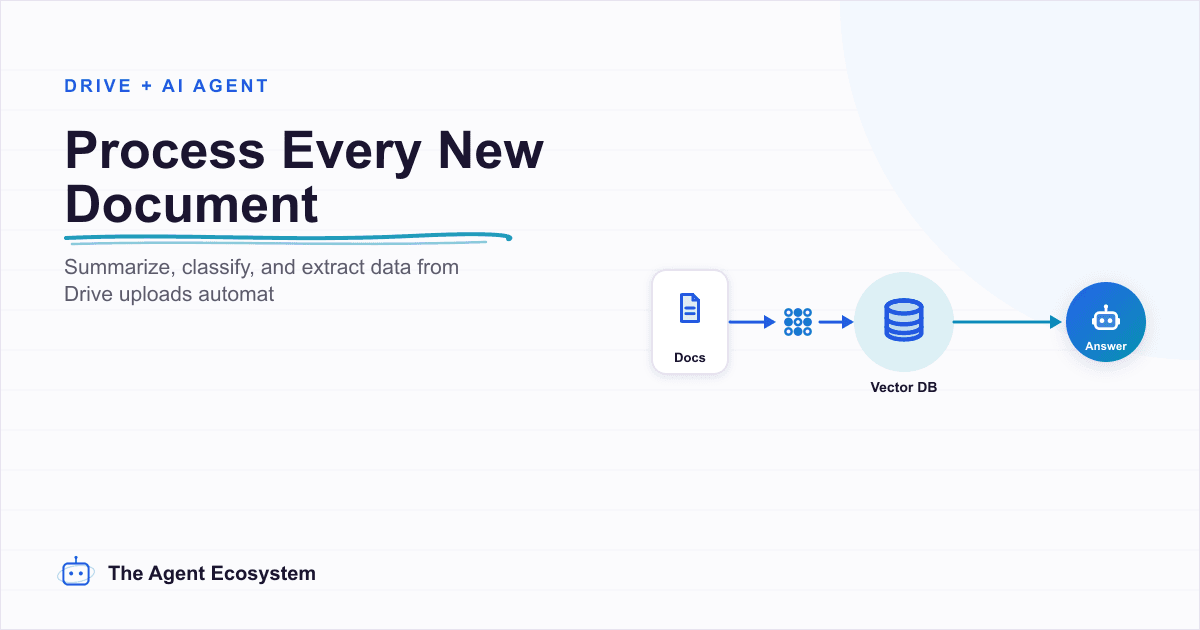
A contract lands in a shared Drive folder and sits unread for three days. An n8n workflow detects the file, extracts the text, runs it through an AI agent, and posts a structured summary with key dates and parties before anyone opens it.
A context window is the token budget for one request, and input plus output share it. Bigger windows hold more text but do not read it all equally: the lost-in-the-middle effect means facts buried mid-context get recalled worse. Here is how tokens, limits, and placement actually
Most n8n frustration is a data-shape misunderstanding, not a broken node. Every connection carries an array of items, each with a json key. Once you can picture that shape, $json, $('Node Name'), and the 'Referenced node has no data' error all make sense.
You record every call and still lose the decisions. This is an honest, end-to-end n8n build that turns a meeting recording into structured notes plus routed action items, with straight talk on the Whisper file limit, missing speaker labels, per-minute cost, and consent.
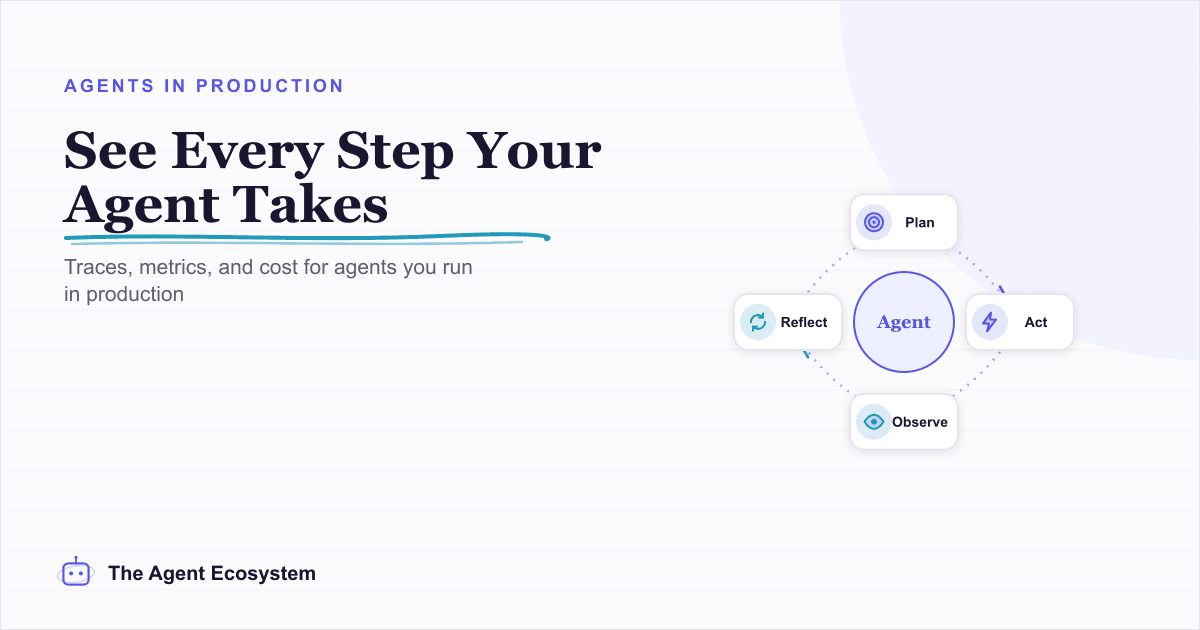
Your agent gave a wrong answer and you have no idea where it broke. Observability captures the run (every LLM call, tool call, prompt, and cost) so you can replay it and point at the exact failing step. Here are the three pillars, what to log per step, and when a dedicated tool
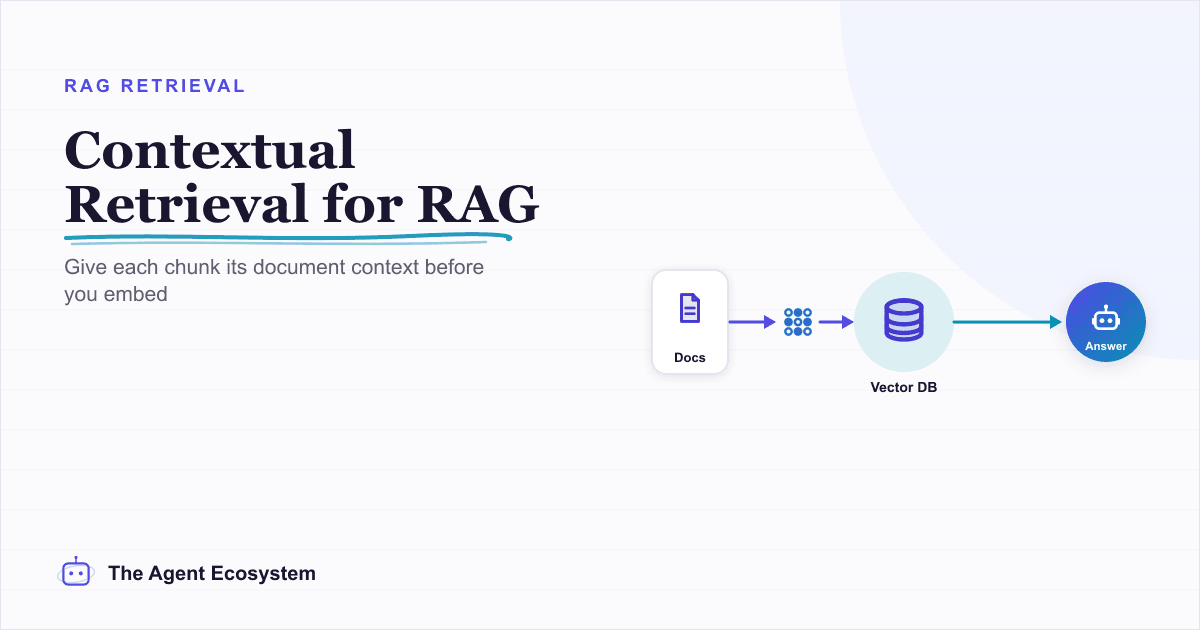
Plain RAG embeds chunks that have lost their document context, so 'revenue grew 3%' matches nothing useful. Contextual retrieval writes a short per-chunk context and prepends it before embedding and BM25. Here is the method, the build, and the honest ingest trade-off.
You turned the temperature up and the model got more creative, down and it got smarter. Both stories are wrong. Temperature and top-p only reshape how the next token is drawn. Here is what each setting really does, top-p versus top-k, and which value to use per task.
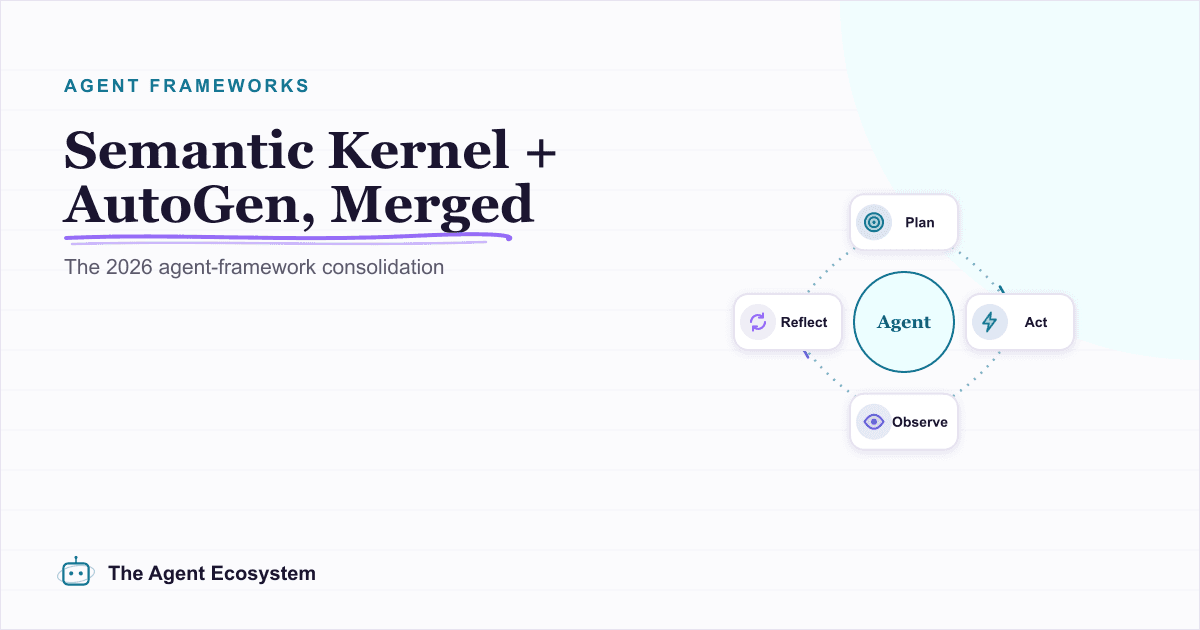
Microsoft folded two of its biggest open-source agent projects, Semantic Kernel and AutoGen, into a single production SDK with version 1.0. Here is what the Microsoft Agent Framework bundles, where it sits against LangGraph, CrewAI, and OpenAI's Agents SDK, and how a small team
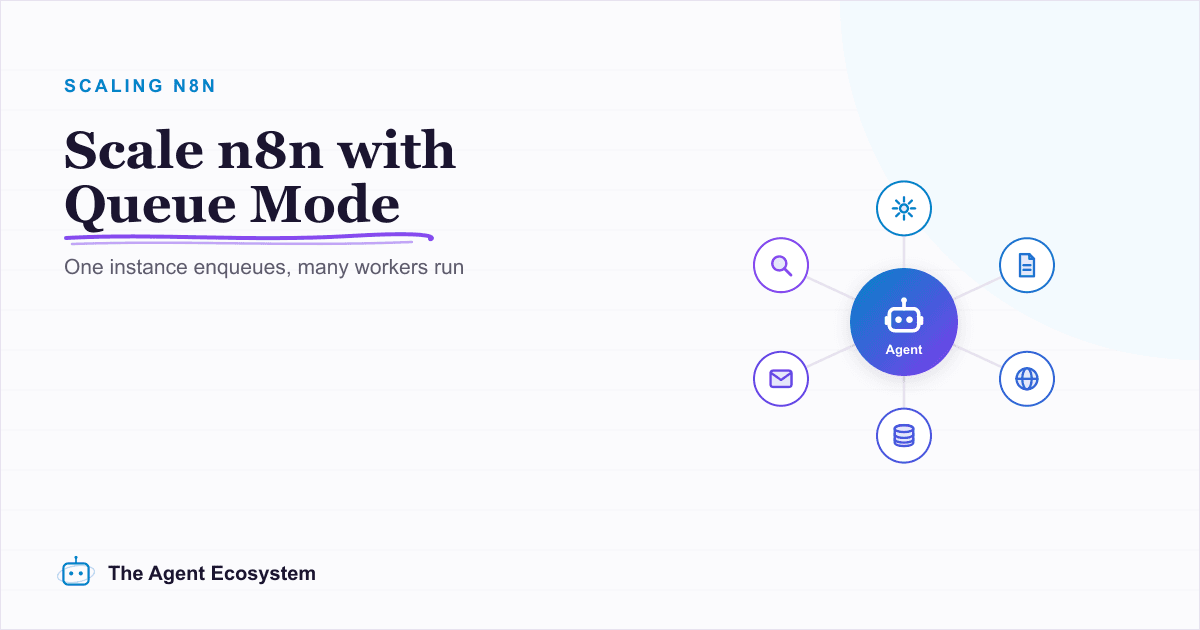
One busy hour and your single n8n instance starts queueing executions behind a slow workflow. Queue mode is the fix: set EXECUTIONS_MODE=queue, add Redis and a shared Postgres, and run separate worker processes that scale out. Here is when you need it and the exact setup.
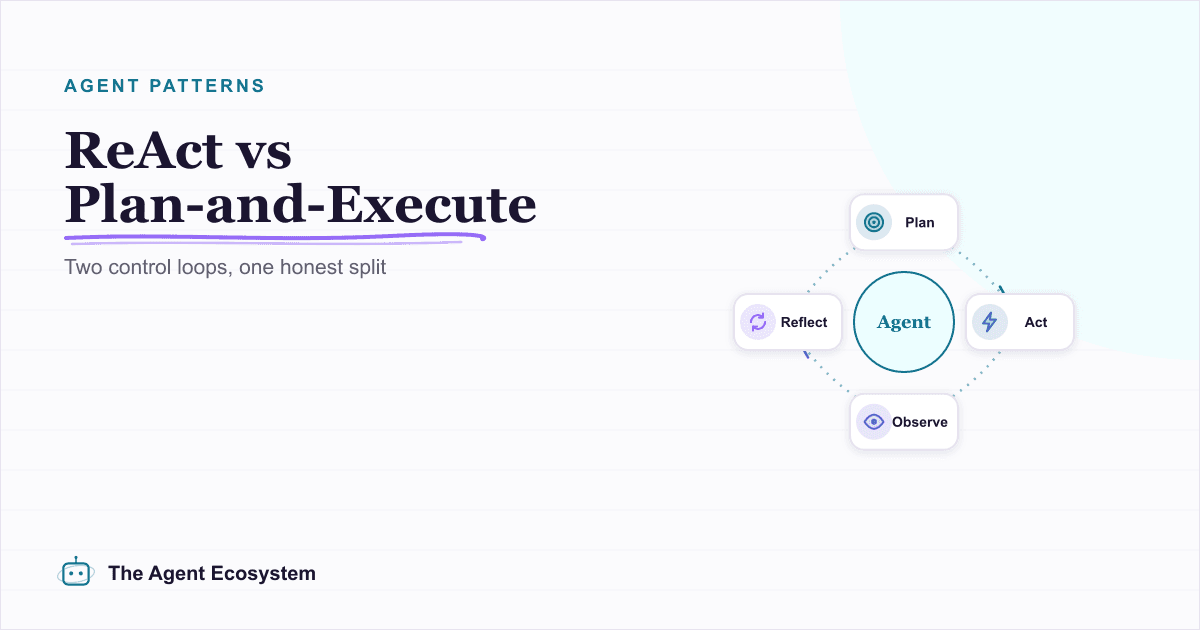
ReAct and Plan-and-Execute get blurred into one fuzzy idea, but they are two different agent control loops. ReAct decides one step at a time after each result; Plan-and-Execute writes the whole plan up front. Here is the honest split, the trade-offs, and a decision map.
v0, Bolt.new, and Lovable all promise an app from a prompt, but they build very different things: v0 is frontend only, Bolt runs a full project where the database is your job, and Lovable wires a full stack. Here is the honest, dated comparison for 2026.
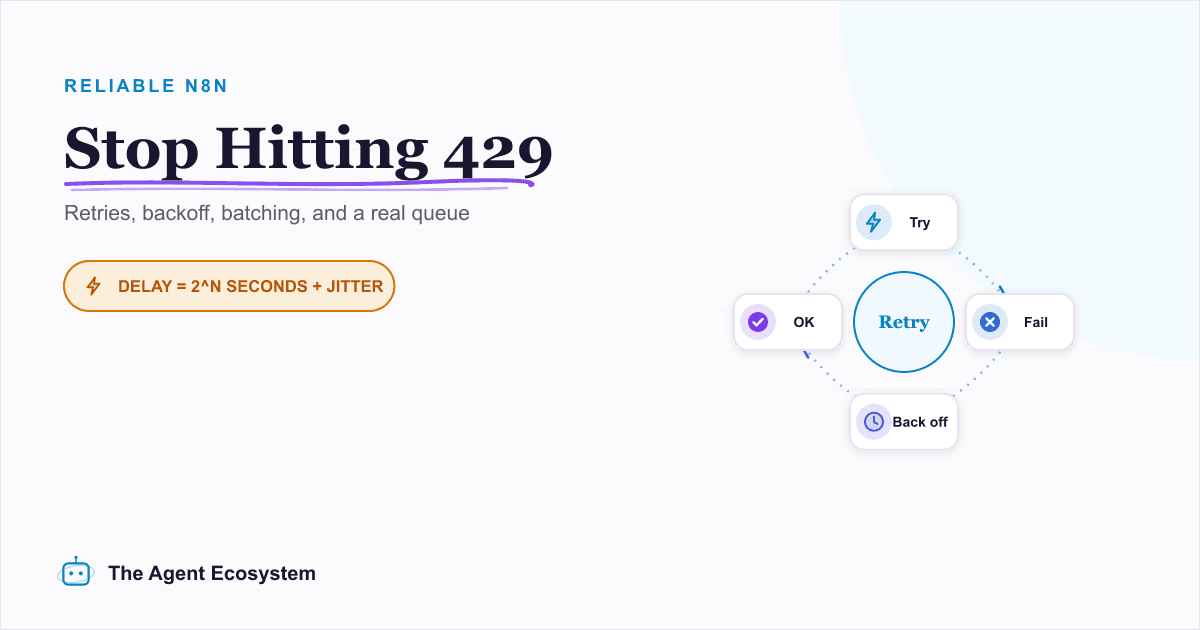
A Loop Over Items node fanning rows into an LLM keeps hitting 429 Too Many Requests, and every guide fixes it differently. Here is the full ladder: node retry, batching, Wait, hand-rolled backoff, and a real queue, with the built-in caps most posts bury.
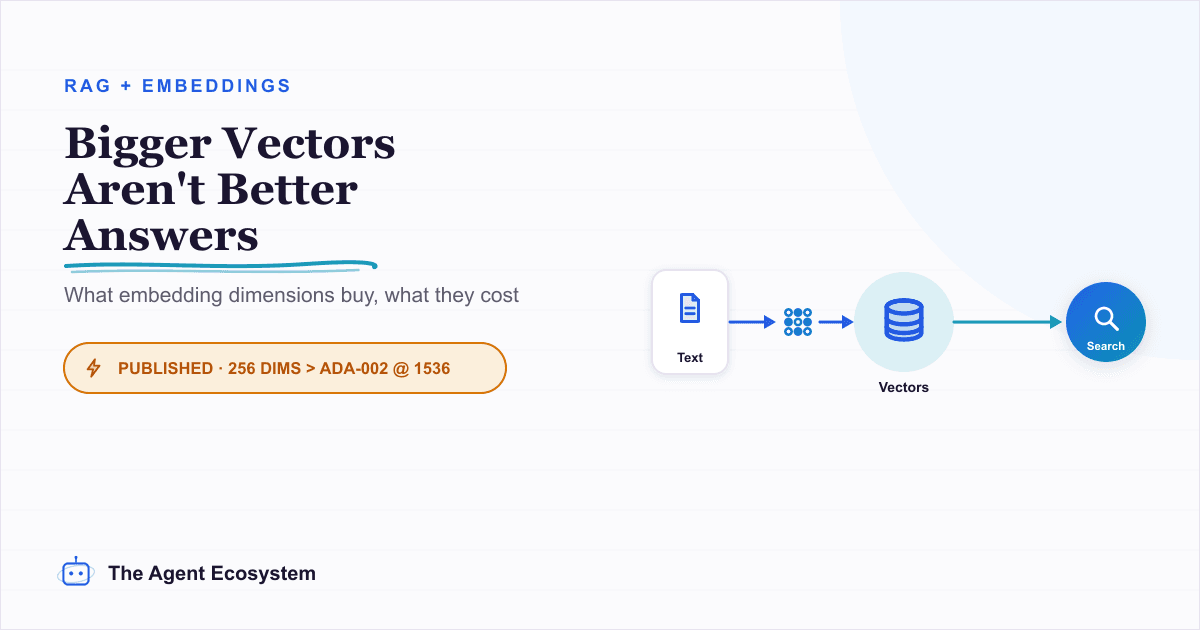
You assumed more embedding dimensions mean better retrieval, and you are about to over-pay on vector storage for a margin you will never notice. OpenAI's own numbers show text-embedding-3-large at 256 dims beating ada-002 at 1536. Here is what dimensions cost and how to pick a
Your scheduled n8n workflow ran an hour off, stacked runs on top of each other, or silently never fired. All three are fixable once you know where n8n looks for cron, timezone, and concurrency. Here is the honest, docs-verified recipe.
The batch API is the same model and the same output at half the token price, as long as nobody is waiting on the response. Here is which jobs belong on batch, the reproducible cost math, how Anthropic and OpenAI differ, and the exact n8n submit-and-poll pattern.
Your n8n agent reads emails, scraped pages, and RAG chunks nobody on your side wrote, and a planted instruction can hijack it. Here is the layered prompt injection defense, mapped to OWASP LLM01 and to nodes you can actually toggle.
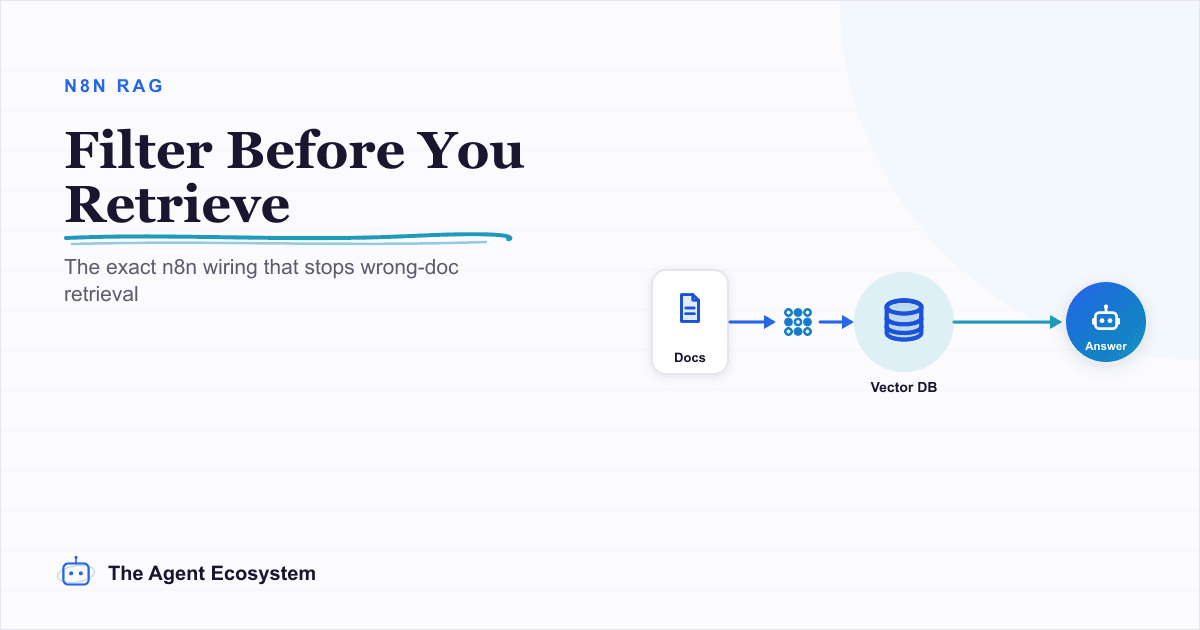
Your n8n RAG bot keeps answering with the wrong client's file. That is not a weak model, it is a missing filter. Here is the two-step metadata plumbing (Default Data Loader on insert, Metadata Filter on retrieval) for PGVector, Qdrant, and Supabase.
The n8n Pinecone Vector Store and Supabase Vector Store nodes wire into an agent the same way, but one is a managed service and one is Postgres you run. Here is how their free tiers, cost at scale, latency, and node wiring compare, and when to pick each for RAG.
An n8n AI agent has two bills that behave nothing alike: a flat n8n platform fee and a per-run LLM token cost. Here is what each one comes to, with modeled per-run math across Claude, GPT, and Gemini, and the levers that actually lower the total.
An n8n error workflow template is one reusable flow, built on the Error Trigger node, that you set as your Error workflow so every failure is captured, formatted, and alerted from one place. Here is how to build it, wire it, and set it as your handler.
Redis Chat Memory gives an n8n AI agent conversation history that survives restarts and is shared across queue-mode workers. Here is how the Session Key, Context Window Length, and TTL fields work, what it costs, and when to pick Redis over Simple Memory or Postgres.
In July 2026 you can call five frontier models before lunch, at prices that range tenfold. More choice is not an easier choice. Here is a job-by-job map of which model to default to, with every price dated and a reminder to test on your own data.
A new frontier model lands every week, and rewriting your integration each time is a losing game. Because most providers now speak the OpenAI API format, swapping a model is usually a base-URL and key change. Here is the portability pattern, and where it breaks.
Computer-use agents, which read the screen and drive mouse and keyboard, went from demo to shipping feature in 2026, and Meta's Muse Spark 1.1 made it a headline capability. Here is what they automate, where they break, and the guardrails that keep them safe.
For two weeks GPT-5.6 was a limited preview most builders could not touch. On July 9, 2026, OpenAI made Sol, Terra, and Luna generally available across the API, Codex, and ChatGPT. Here is what changed for builders, and what to verify before you adopt it.
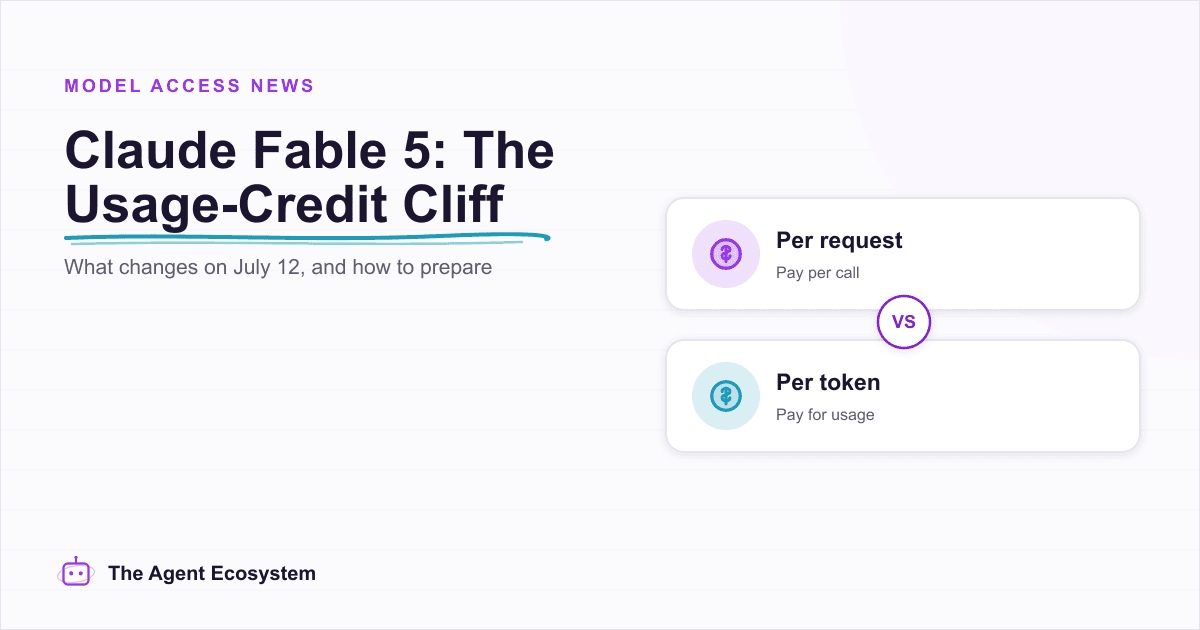
Anthropic gave paid Claude plans a taste of Fable 5, then set a deadline. On July 12, 2026 the included window closes and Fable 5 moves to prepaid usage credits at $10/$50 per 1M tokens. Here is the cost cliff, who it hits, and how to prepare before the switch.
On July 9, 2026, Meta put a frontier-class model behind a paid, self-serve API for the first time. Muse Spark 1.1 is agentic, handles computer use and parallel subagents, and undercuts GPT-5.6 and Fable 5 on price. An honest, dated read for builders.
Should you call a closed API like Claude or GPT, or self-host an open-weight model like DeepSeek or Qwen? Skip the hot takes. This is a four-axis framework (cost, quality, control, privacy) plus a decision flowchart, using dated June 2026 facts.
You keep seeing function calling, tool use, and MCP used as if they compete. They do not. Tools are the functions, function calling is the model mechanism that calls them, and MCP is the standard that shares them across clients. Here is how the three layers stack and which to
Cursor, Windsurf, and GitHub Copilot are the three names most teams weigh in 2026, but two changes broke the old rankings: Windsurf is now Devin Desktop, and Copilot moved to usage-based billing. Here is the honest price-and-fit comparison.
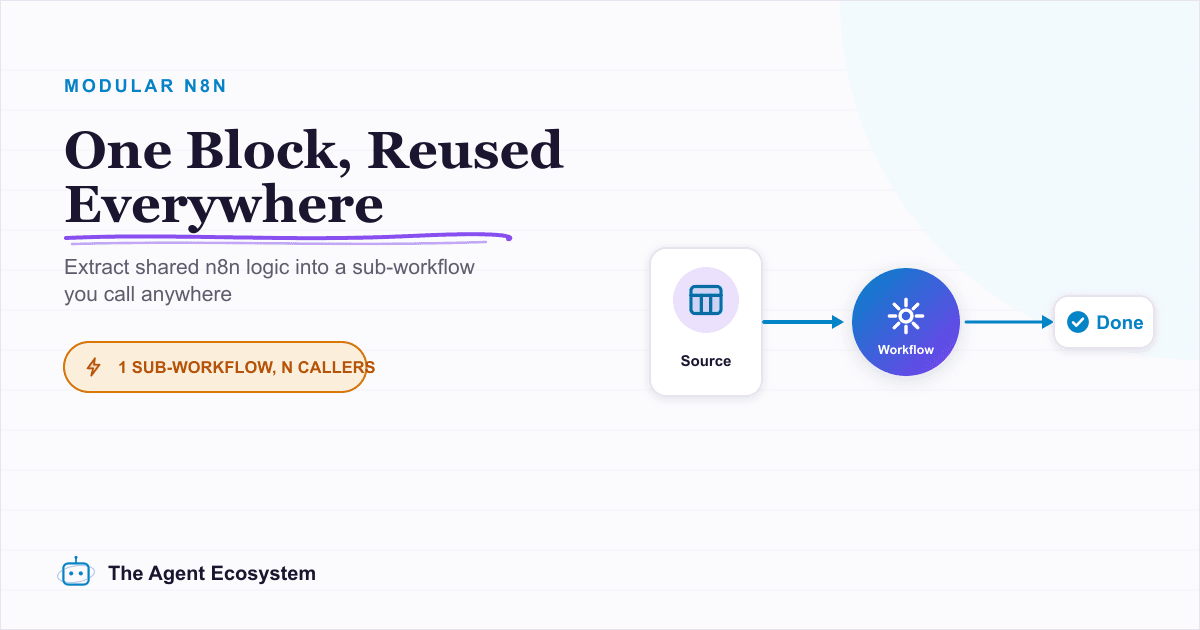
Your n8n canvas hit 40 nodes and you keep copy-pasting the same blocks. A sub-workflow is the fix: a workflow that starts with the When Executed by Another Workflow trigger, so others call it like a function. Here is how data crosses the boundary and when to extract.
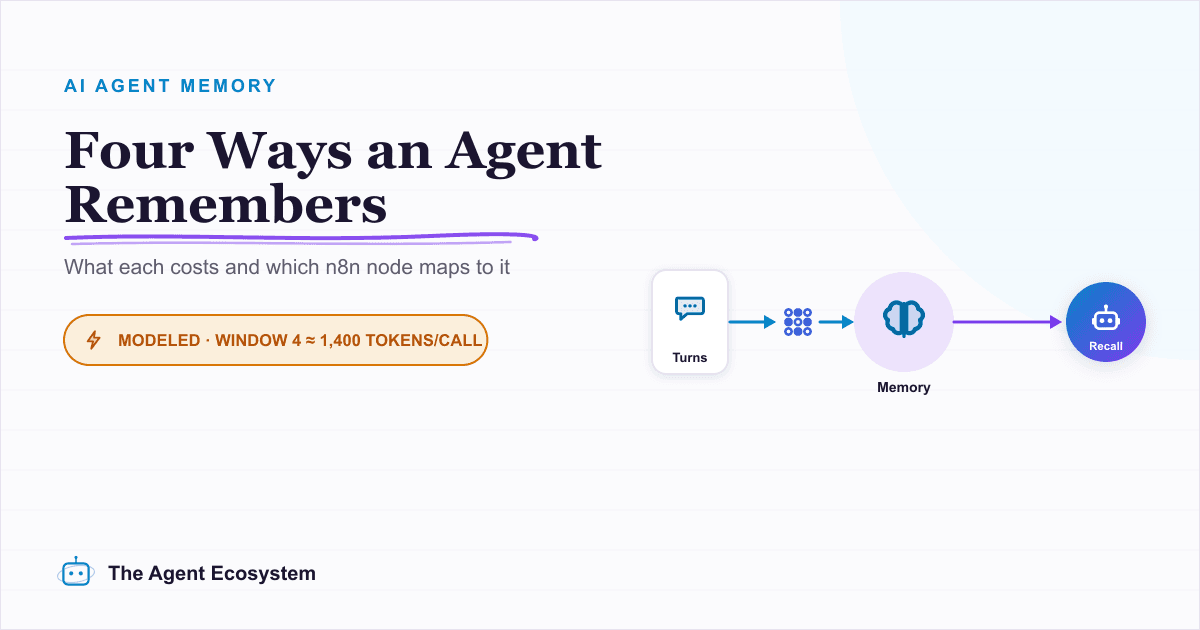
Agent memory is not something the model has; it is which past turns your framework re-sends each call. This compares the four ai agent memory types, full buffer, window, summary, and vector-backed, what each costs in tokens, and which map to real n8n nodes or patterns you wire.
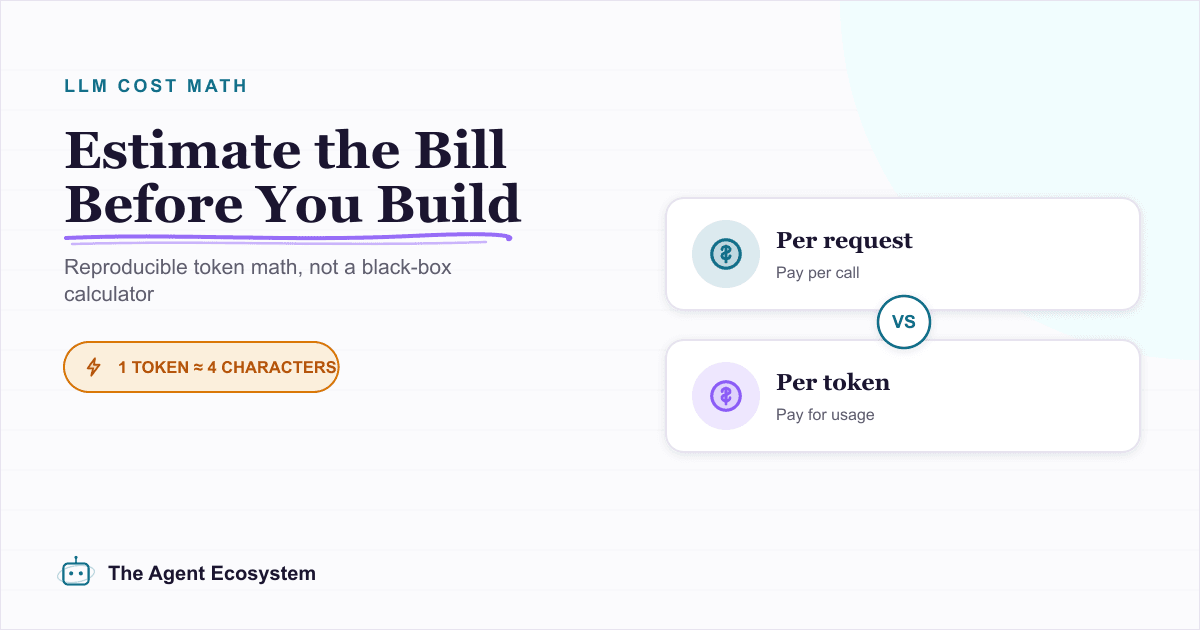
A single LLM call costs a fraction of a cent, until you multiply by 10,000 runs a month. Here is the reproducible token math: chars over 4 for tokens, the input and output rates, and the per-run times volume multiply, with one support-reply run priced across five models.
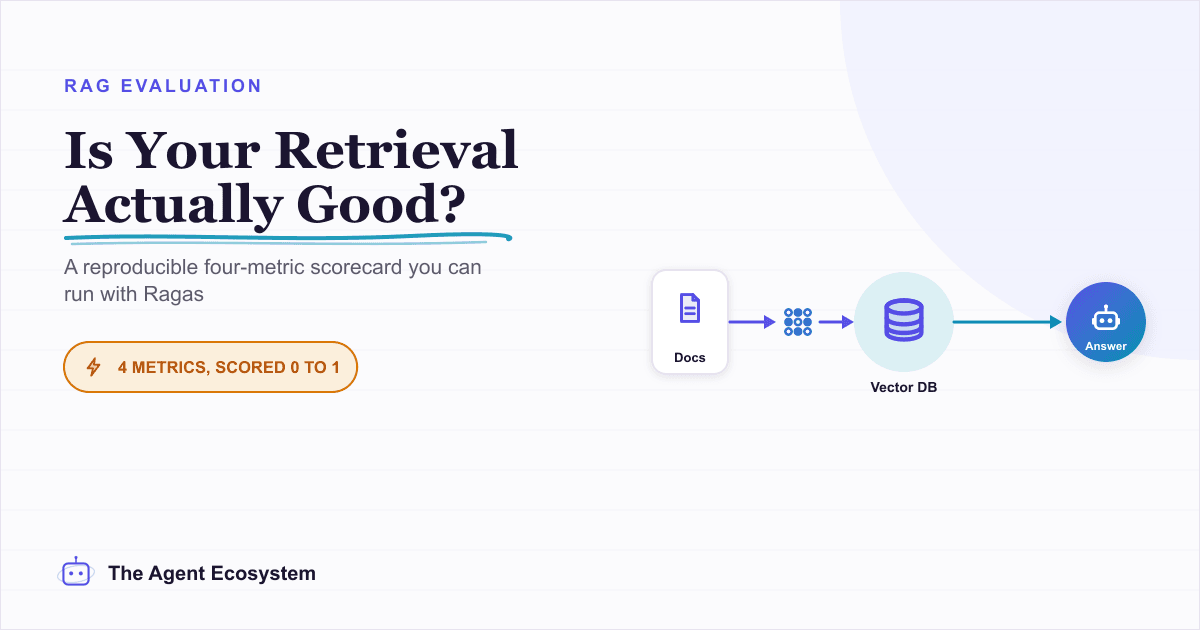
Your RAG pipeline feels okay, but no number says if retrieval is good. This is the reproducible scorecard: context precision and recall for retrieval, faithfulness and answer relevancy for generation, scored 0 to 1 with Ragas, plus which metric to read when an answer is wrong.
Three terminal AI coding agents compete in 2026: Claude Code, OpenAI's Codex CLI, and Google's new Antigravity CLI after Gemini CLI retired on 18 June. This honest comparison covers the model behind each, MCP and sandbox support, and what the usable tier really costs.
An AI agent is a language model with hands. Without guardrails it can follow a malicious instruction, leak data, loop until your bill spikes, or return output the next node cannot parse. This guide maps the five ways an n8n agent breaks to the exact control that stops each.
MCP and A2A are the two agent protocols everyone names, but they solve different problems. MCP connects one agent to tools and data and already ships as an n8n node; A2A coordinates agents across vendors and is aimed at the enterprise. Here is what each means for a solopreneur
A major set of EU AI Act obligations takes effect on 2 August 2026, and organizations deploying agents fall under transparency and, for higher-risk uses, stricter requirements. This is a dated, non-legal primer on what it means for a small team shipping agents.
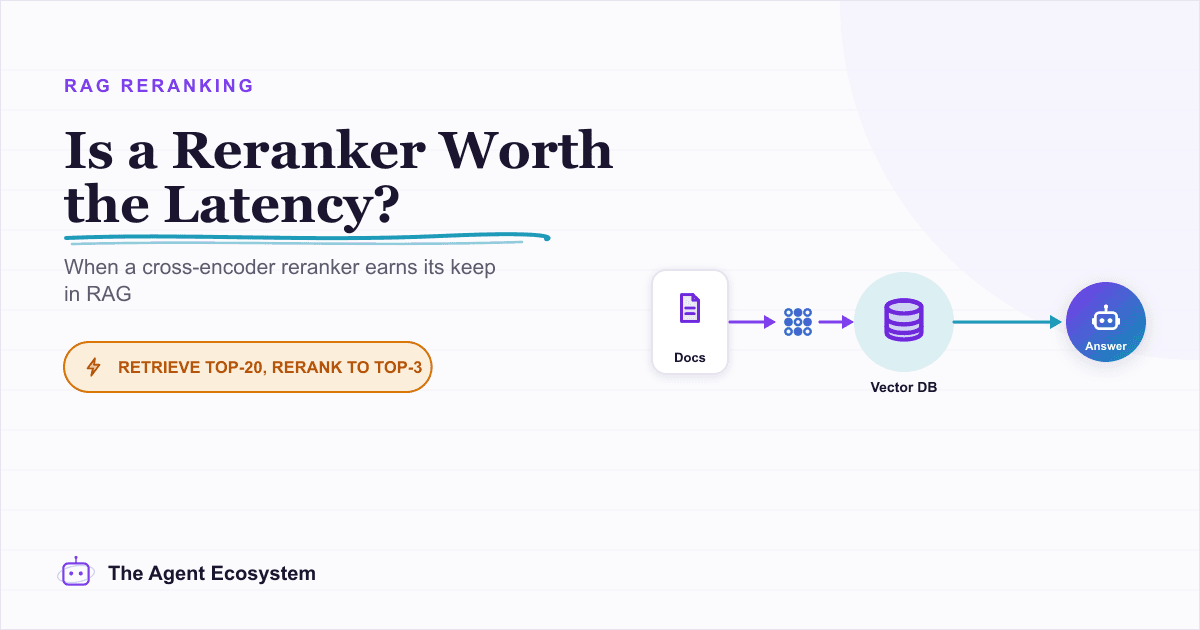
RAG reranking re-sorts the chunks you already retrieved so the best one rises to the top, but it cannot recover a chunk you never retrieved. Here is what a cross-encoder reranker actually does, when it is worth the latency and cost, the real 2026 options (Cohere, Voyage, BGE),
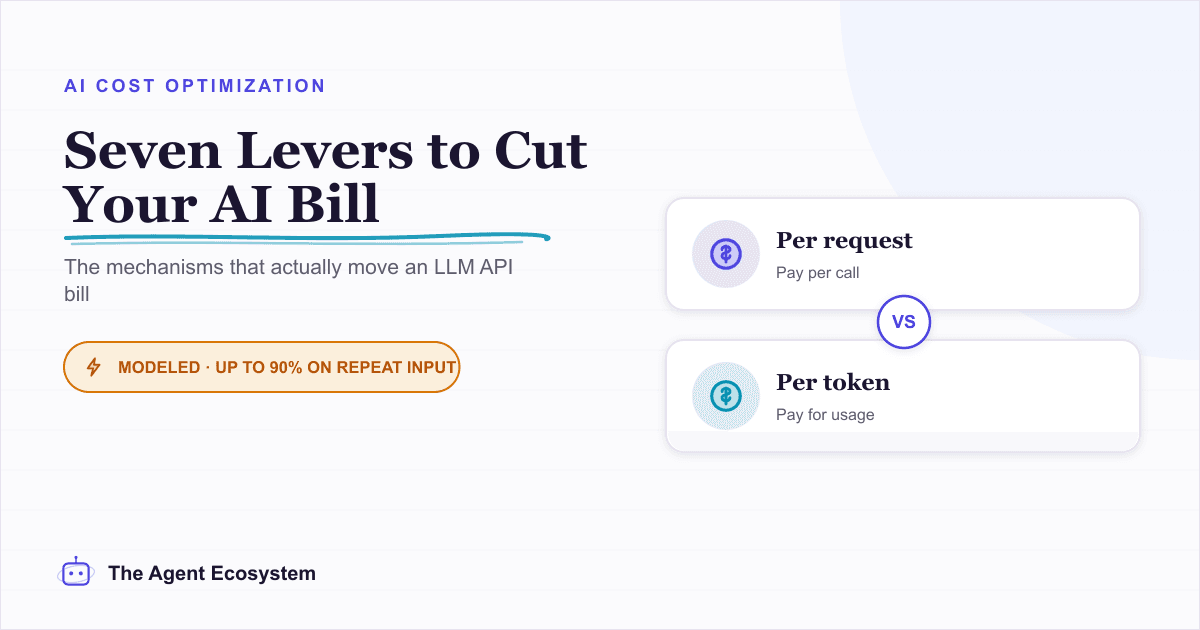
To reduce AI API costs you need levers that change the bill by a verifiable mechanism, not vague advice. This hub names all seven, right-size the model, prompt caching, the Batch API, routing and fallback, local versus API, token discipline, and RAG over long-context, with a
There is no single best AI agent framework, only the best fit for your task and whether you build in code or no-code. This honest 2026 chooser puts CrewAI, LangGraph, AutoGen, and n8n on one table, flags that AutoGen is in maintenance mode, and ends with a decision tree plus the
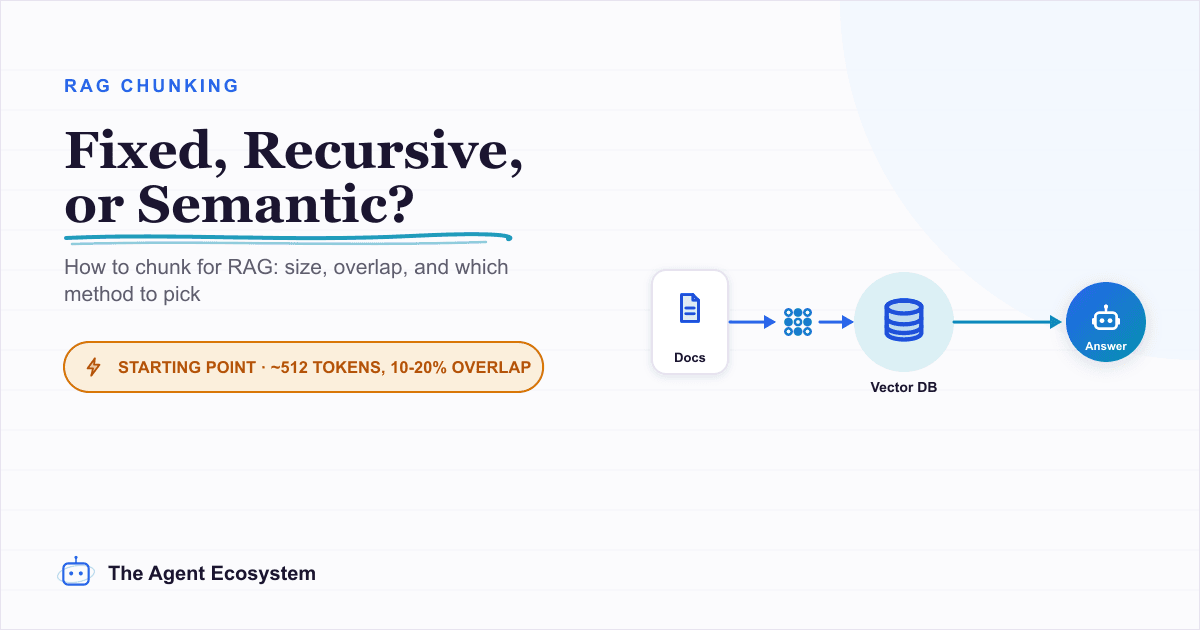
RAG chunking strategies decide whether the right passage is whole, findable, and small enough to rank before your model sees it. Here is how fixed, recursive, and semantic splitting differ, what chunk size and overlap to start with, why the public benchmarks disagree, and a
The cheapest AI API by published token rate in June 2026 is DeepSeek V4 Flash, but the lowest sticker rate is rarely the lowest bill. Here is a dated, source-linked price table for DeepSeek, Gemini, GPT, and Claude, the cost-per-task math that output tokens dominate, and the
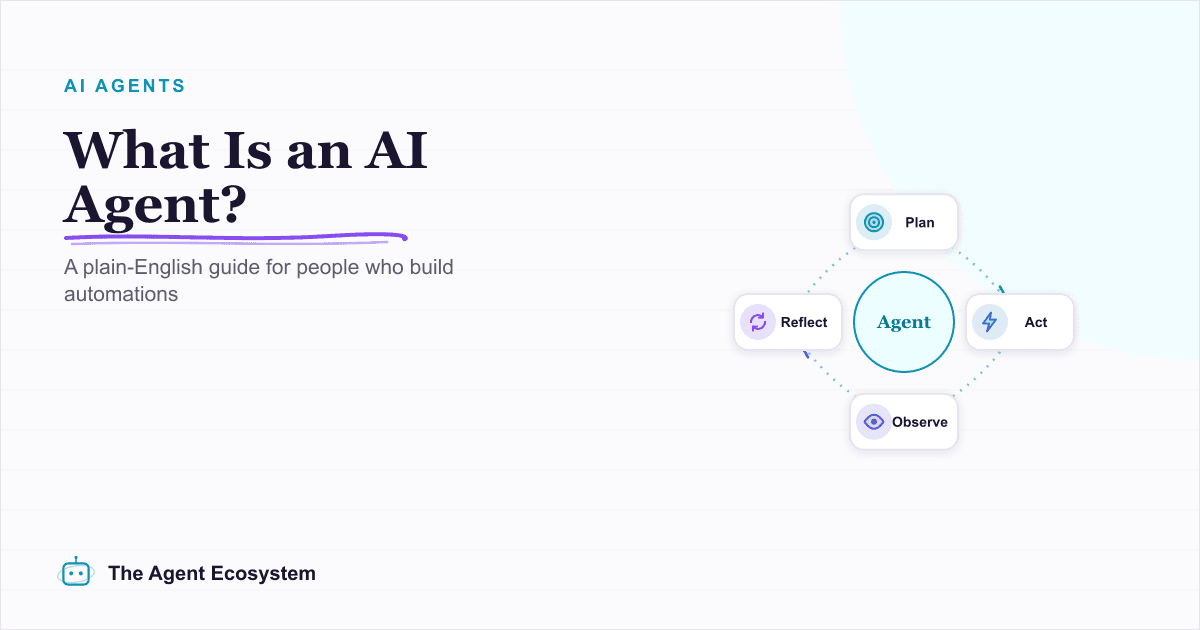
An AI agent is a language model running in a loop that decides its own next action, not a chatbot and not a chain. Here is how the perceive-decide-act-observe loop works, how an agent differs from a chatbot, chain, and workflow, and a checklist for when you actually need one.
Now that 1M-token windows ship at flat pricing, should you stuff the whole corpus in one prompt or build a retrieval pipeline? This breaks long context vs RAG into reproducible per-query cost math, the recall limits of big windows, and four variables that decide it.
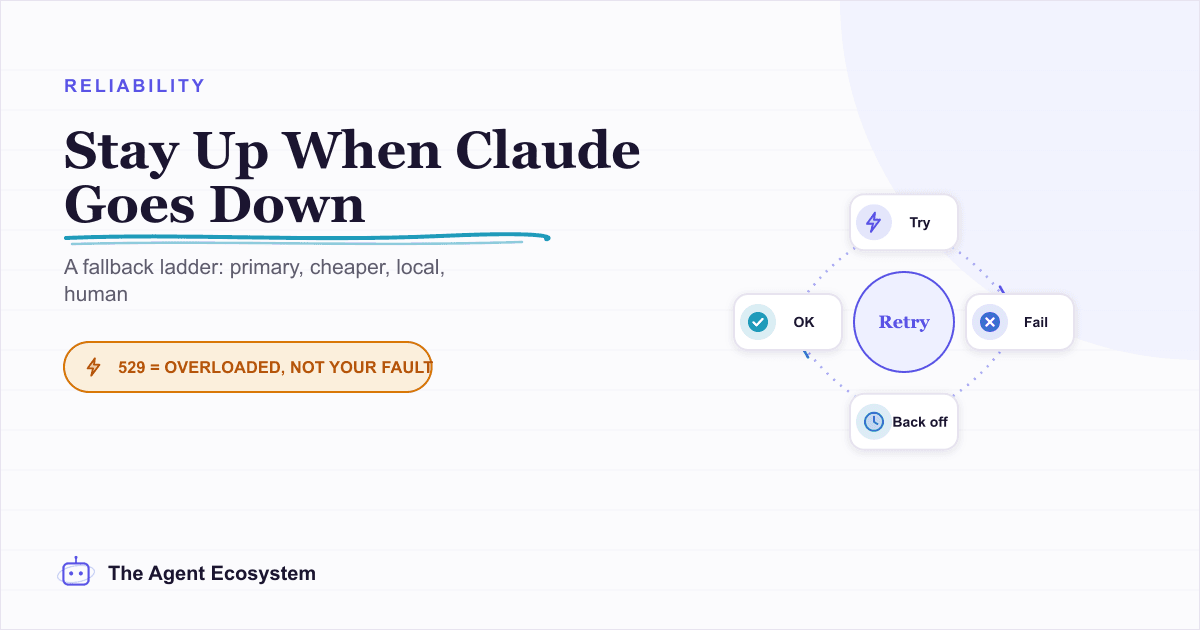
The model call is the least reliable step in your n8n workflow. Build a multi model fallback ladder (primary, cheaper, local, human) plus a budget guard so a 429, a 529 overload, or a blown budget degrades gracefully instead of killing the run.
A local LLM is not free; it trades a per-token API bill for a mostly fixed monthly cost. This reproducible break-even model loads both columns (hardware, electricity, and token volume) and shows exactly where local stops costing more than the API.
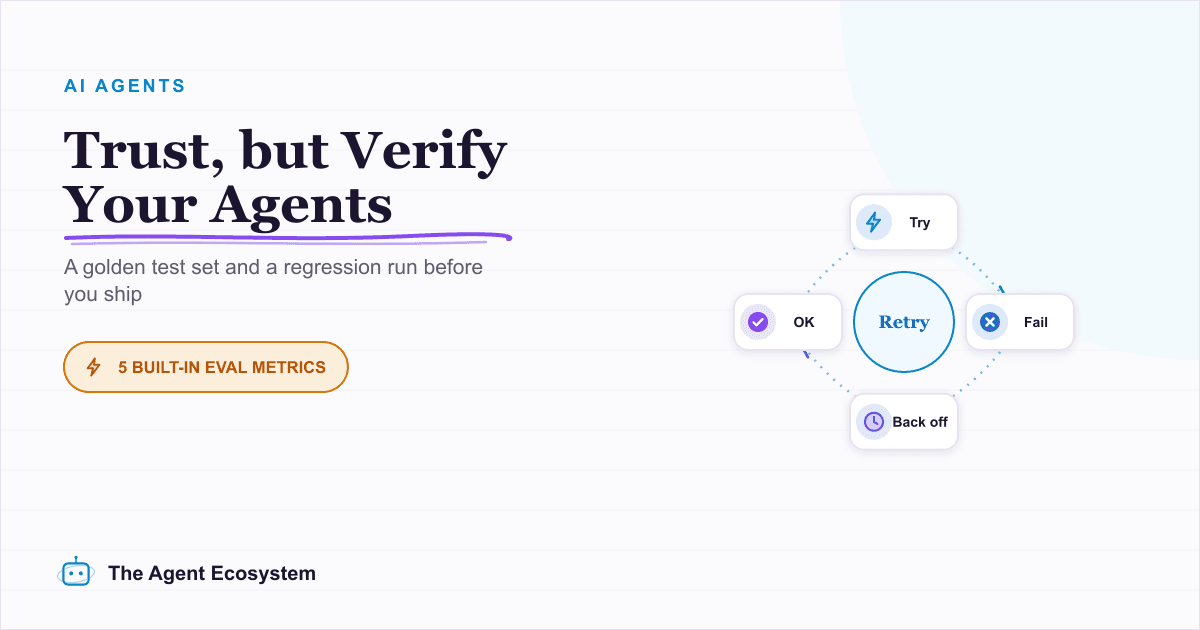
An AI agent is non-deterministic, so 'it worked when I tried it' is not testing. Use n8n's built-in Evaluation feature, a golden test set, and the right scoring metrics to test n8n AI agents and prove a change made it better, not worse.
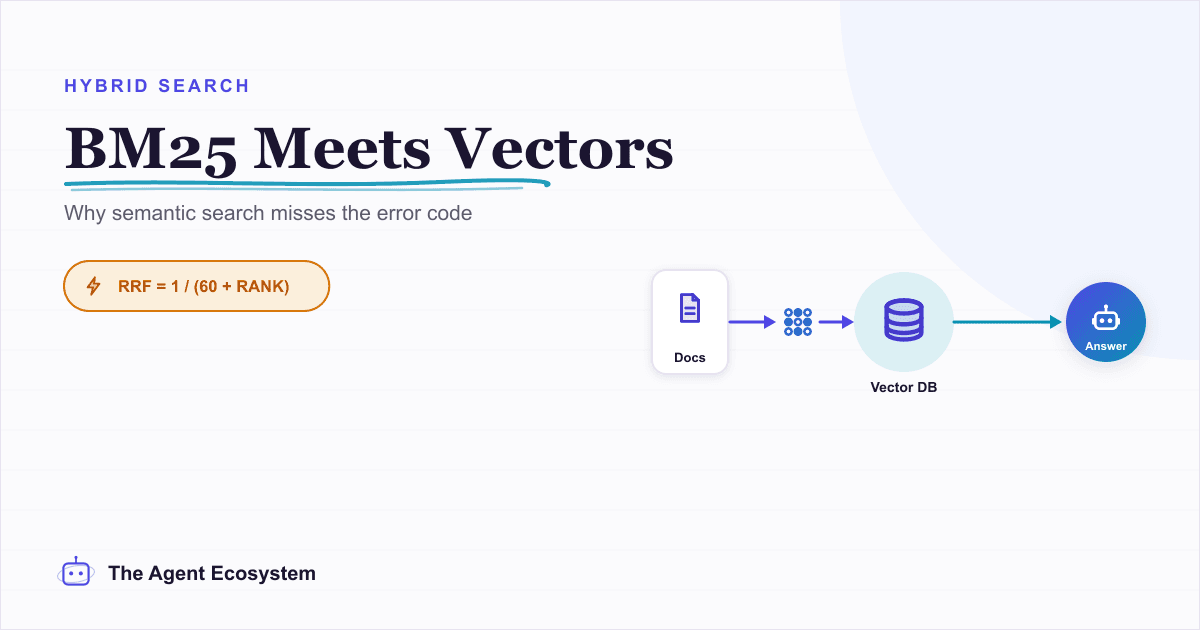
Vector search nails meaning but misses exact tokens like SKUs, error codes, and function names. Hybrid search adds a BM25 keyword leg and fuses both with Reciprocal Rank Fusion. Here is when each wins and how to wire it in n8n with Qdrant or pgvector.
Prompt caching stores the unchanging part of your Claude prompt once and bills every later read at a tenth of the price, same model, same output. Here is the token math, the break-even point, and how to wire it into an n8n agent loop.
Most "local RAG" setups still send your documents to a cloud embeddings API. This guide closes every leak: local embeddings via Ollama, a self-hosted Qdrant or PGVector store, and a local answering model, all in n8n.
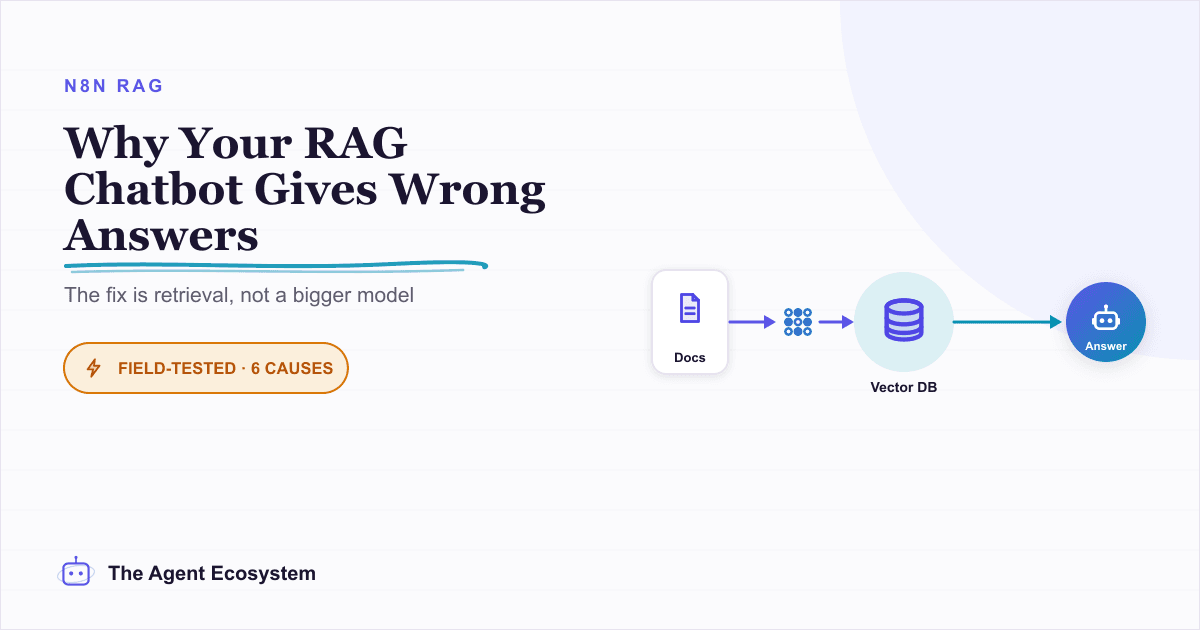
When your n8n RAG chatbot returns wrong answers, the fix is retrieval, not the model. This guide walks 6 fixable causes: chunking, overlap, top-k, embeddings, metadata filtering, and reranking.
Add a working AI chat widget to any website using n8n's Chat Trigger node and the @n8n/chat embed snippet. No React, no SaaS widget, about $7.25 per 1,000 conversations on Claude Haiku 4.5.
Every n8n builder reaches for the AI Agent by reflex, but a Basic LLM Chain costs roughly 5x less per 1,000 runs on Haiku 4.5. Learn the one mechanical rule that decides which node to use.
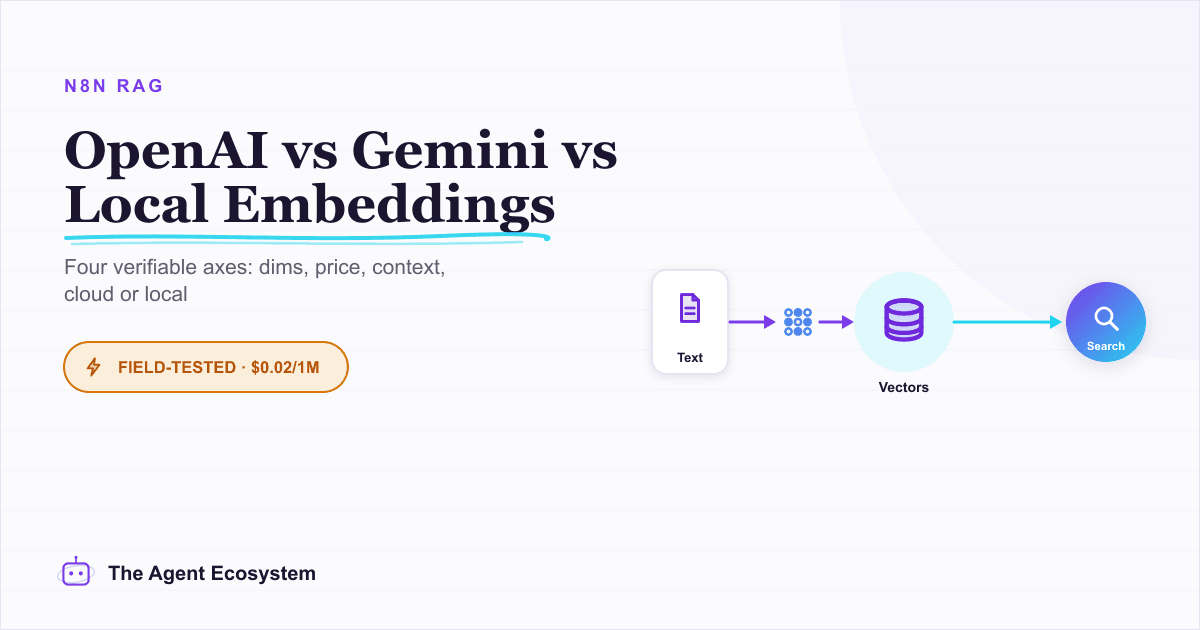
Choosing between n8n RAG embeddings comes down to four verifiable axes: dimensions, price per 1M tokens, max input context, and cloud vs local. This guide compares OpenAI, Gemini, and Ollama options so you pick the one you can live with.
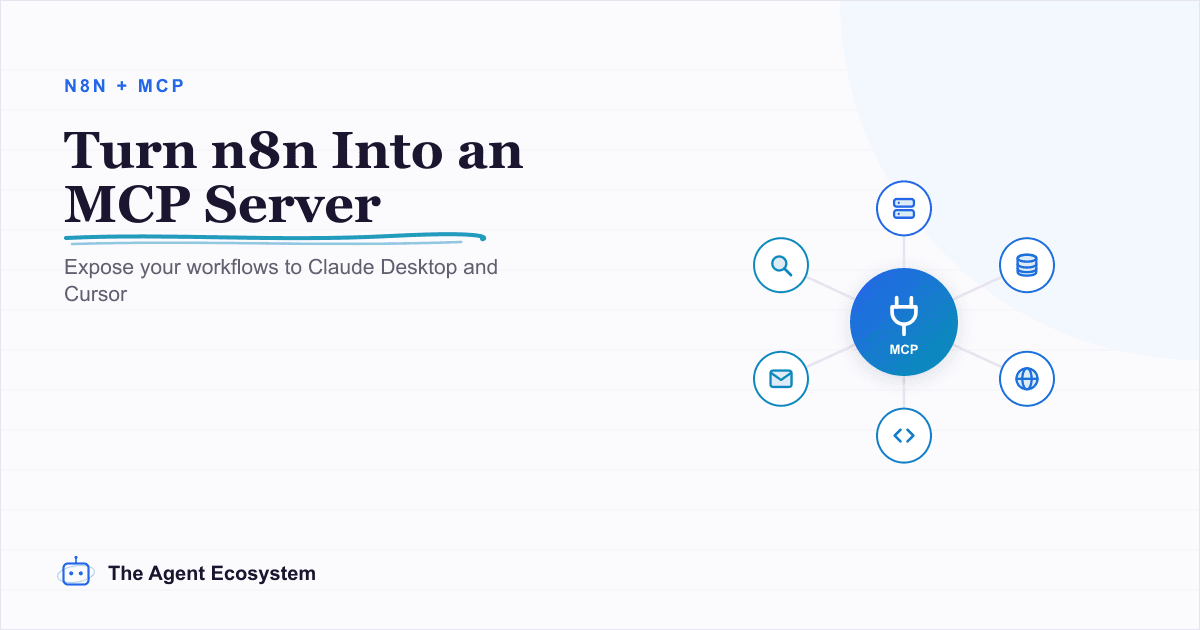
Stop leaving Claude Desktop to run n8n workflows by hand. The MCP Server Trigger node turns your existing workflows into callable tools so Claude and Cursor can invoke them directly.
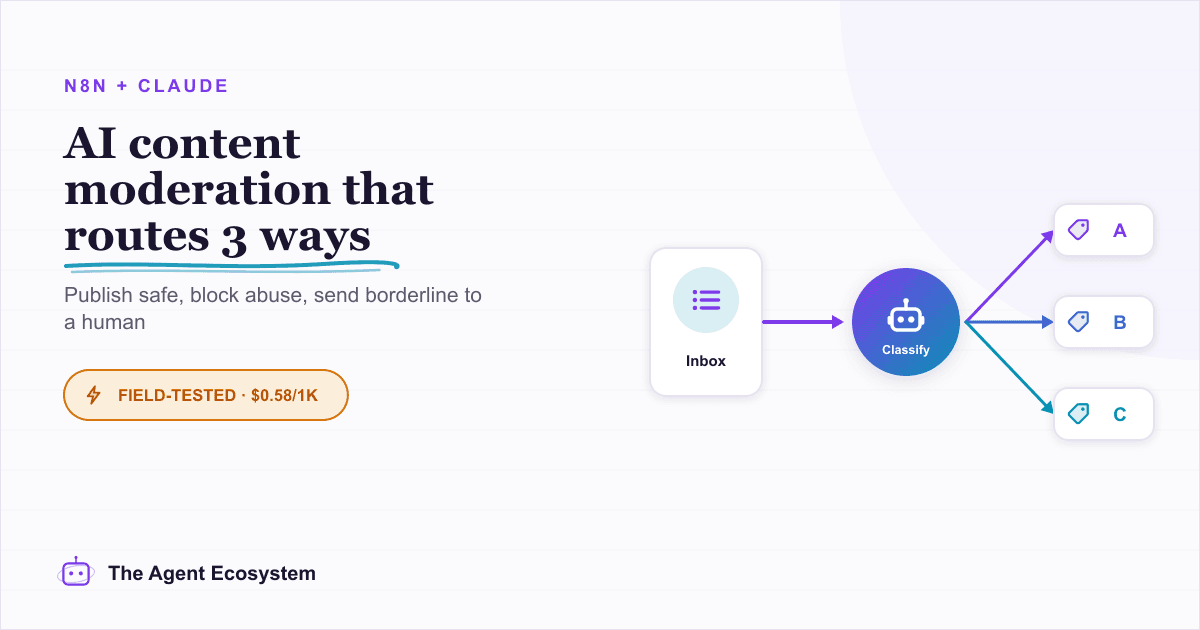
Build an n8n AI content moderation workflow using the Text Classifier node: safe content publishes instantly, unsafe gets blocked and logged, and uncertain submissions route to a human queue for about $0.58 per 1,000 items.
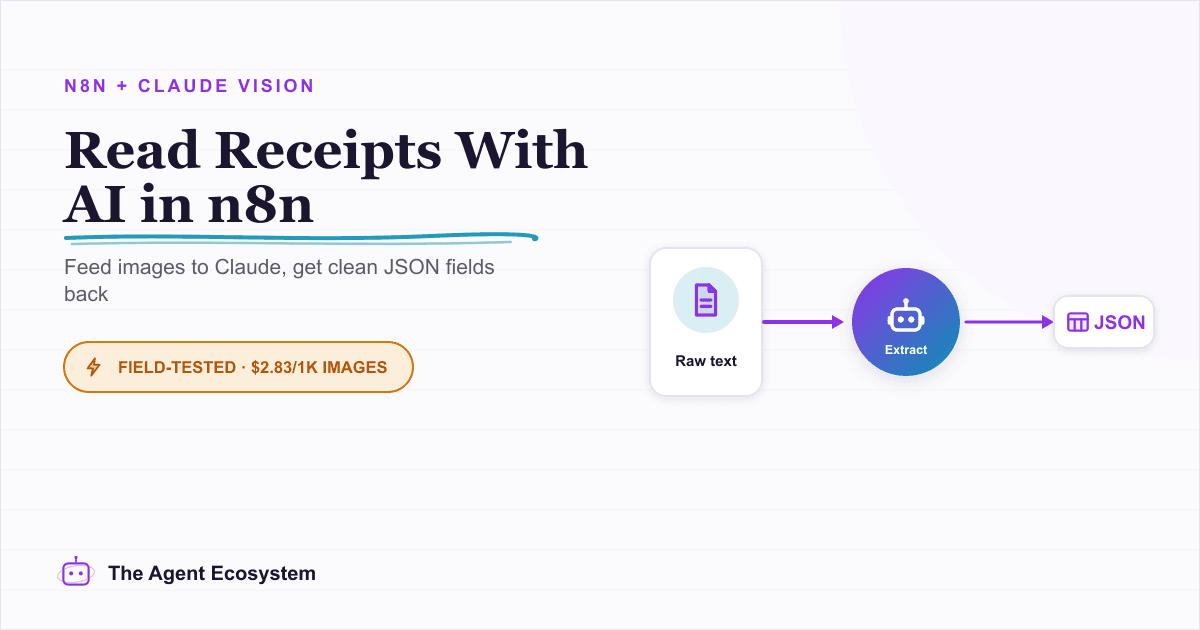
Set up n8n AI image analysis with Claude's Anthropic node to read receipts, screenshots, and forms. Get clean JSON fields back for $2.83 per 1,000 images on Haiku 4.5.
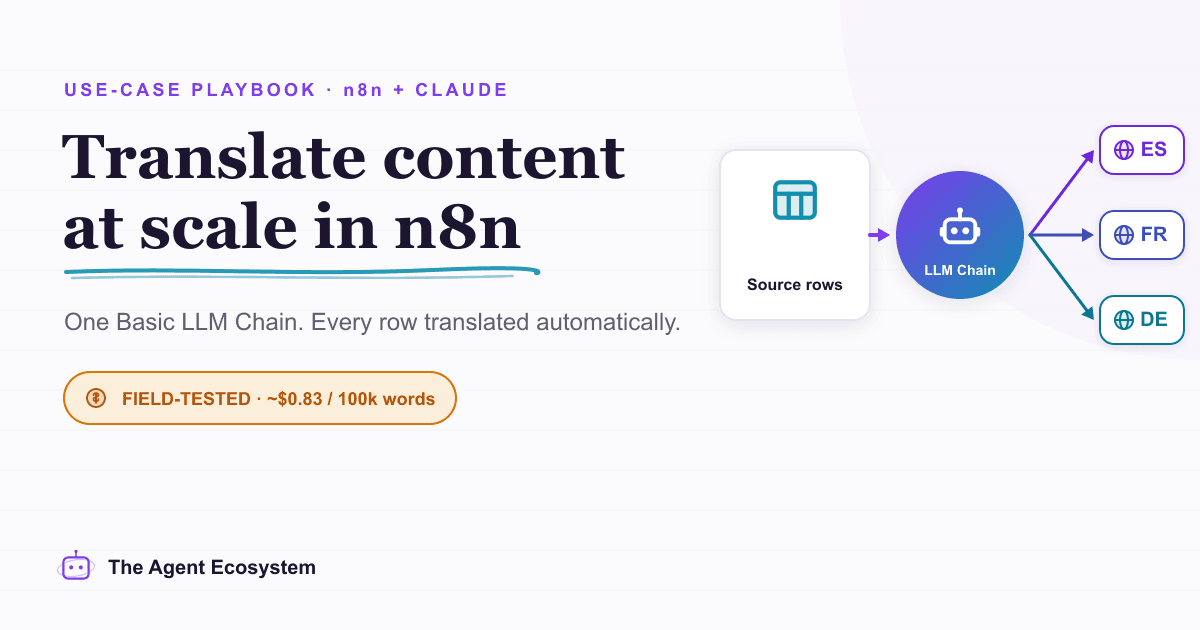
Build a repeatable n8n AI translation pipeline using the Basic LLM Chain node and Claude. Translate blog posts, support replies, and product copy in bulk for about $0.83 per 100,000 words.
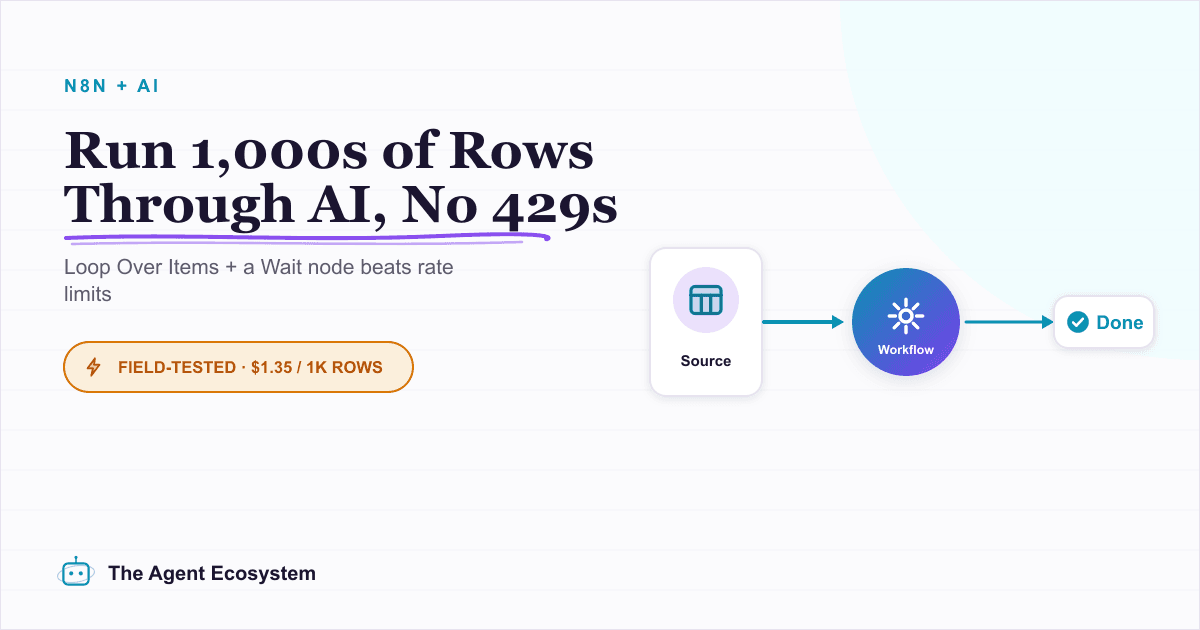
Wire a spreadsheet straight into an AI node and it dies on row 47. n8n batch processing AI with Loop Over Items and a Wait node fixes that, for about $1.35 per 1,000 rows on Claude Haiku 4.5.
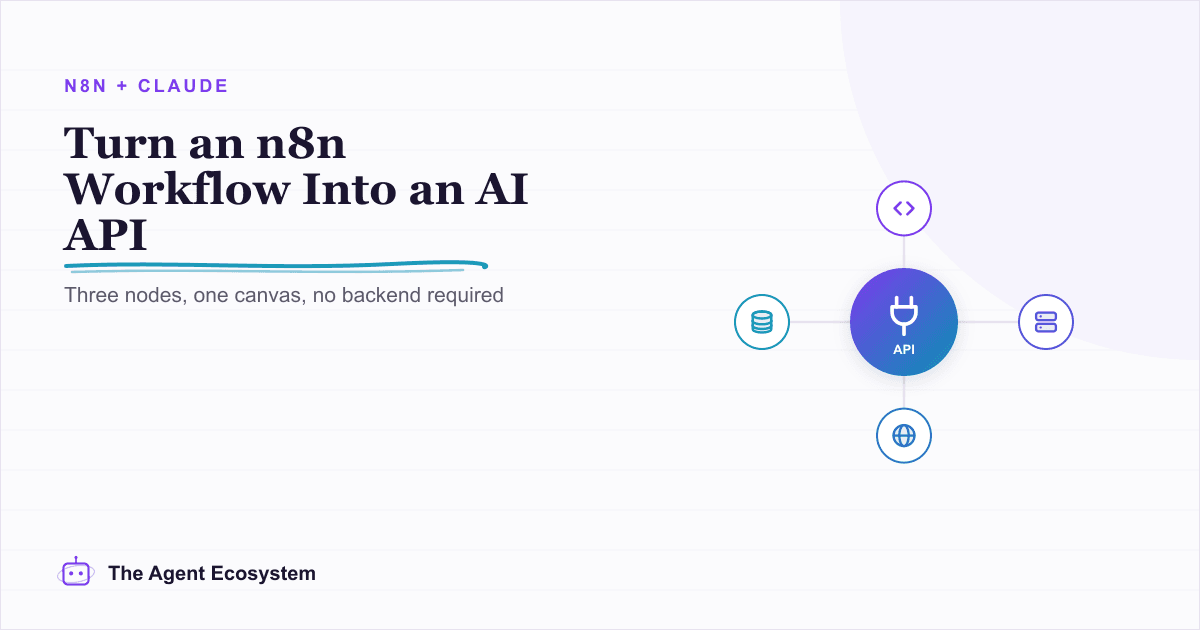
Skip the Express server. An n8n AI API endpoint takes three nodes: a Webhook node receives the HTTP request, an AI node runs Claude, and a Respond to Webhook node returns clean JSON to the caller.
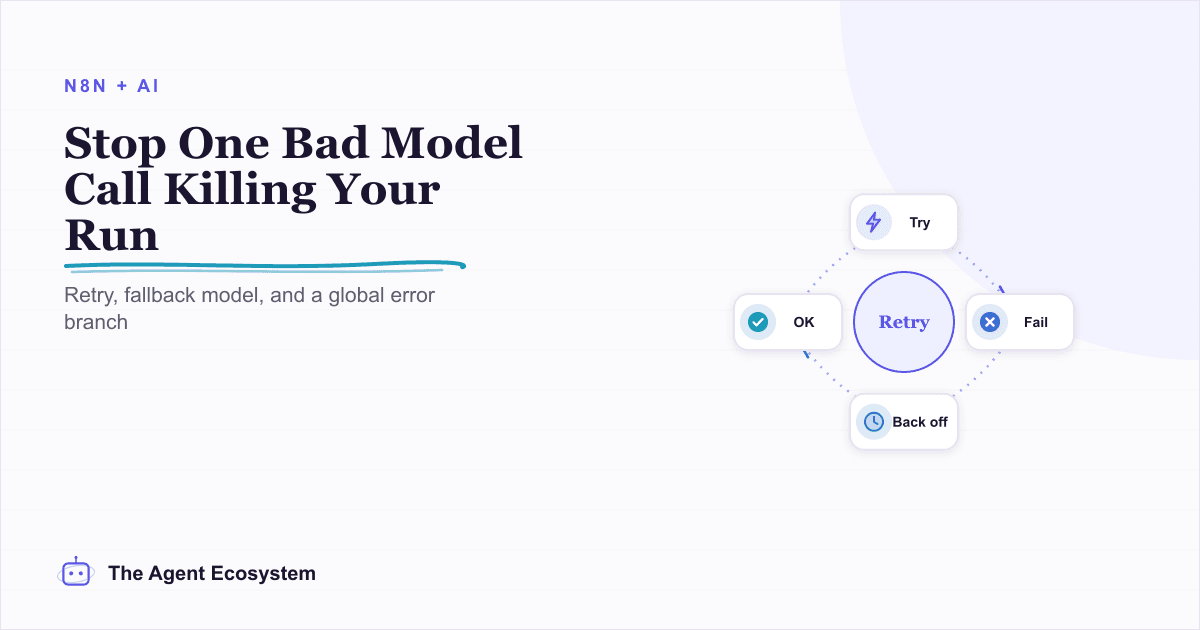
Your n8n AI workflow passed every test, then a 429 killed a whole overnight batch with no alert. This guide wires 3 defenses: Retry On Fail, a fallback model, and a global Error Workflow.
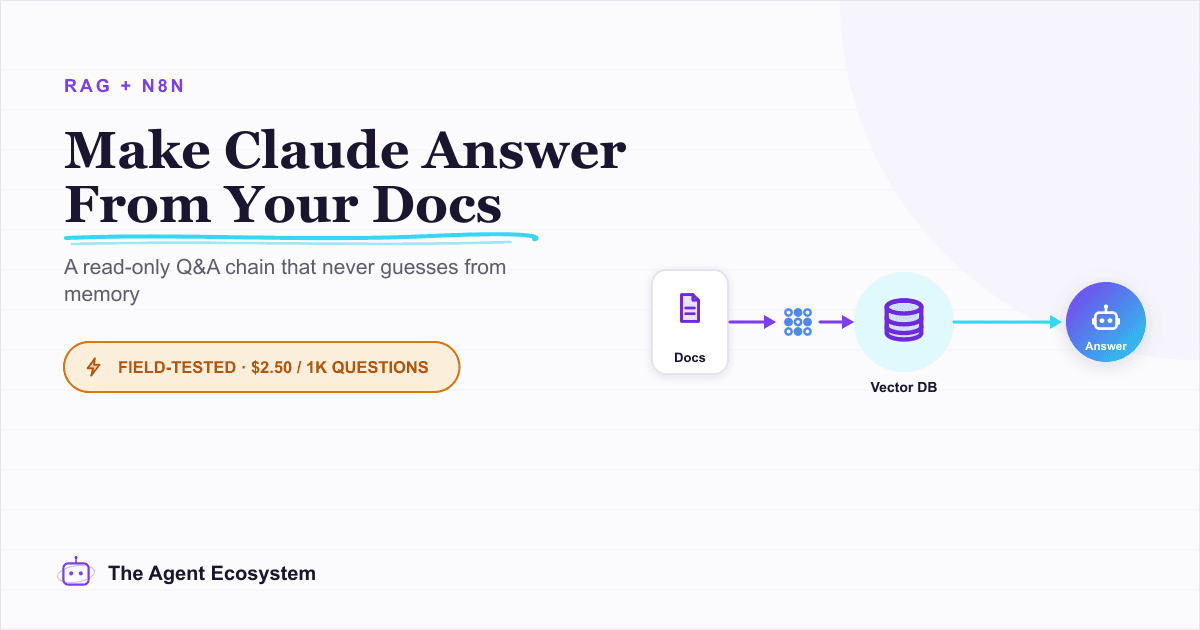
The n8n Question and Answer Chain retrieves passages from your own vector store and answers from them, not from the model's memory. Index once for about $0.01, then answer 1,000 questions for about $2.50 on Claude Haiku 4.5.
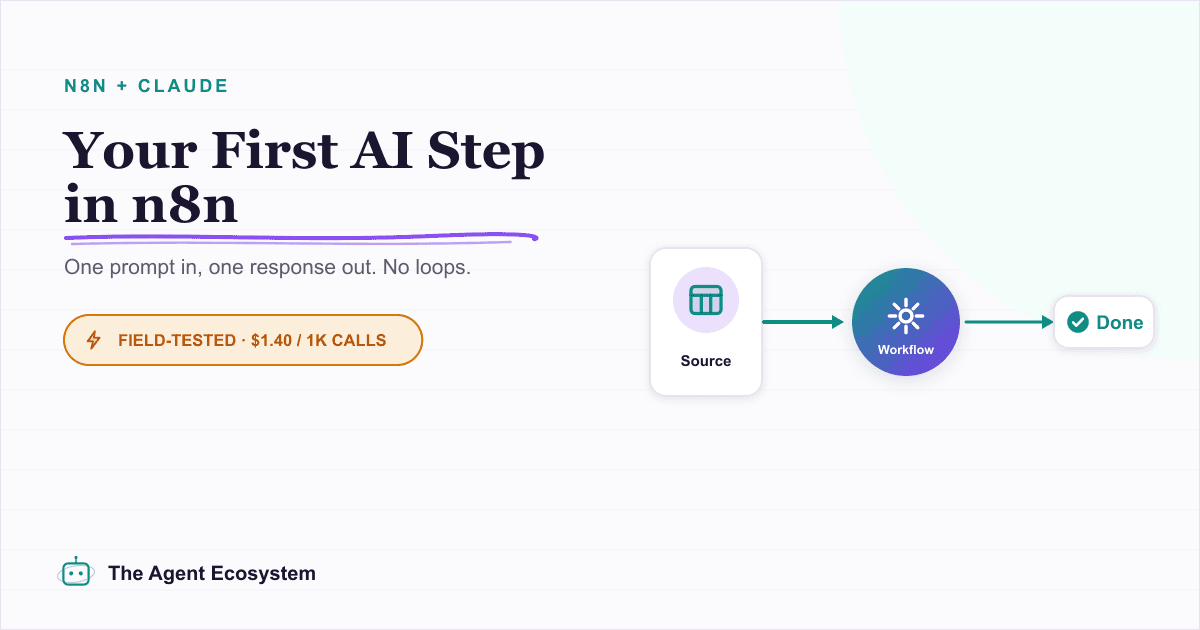
The n8n Basic LLM Chain is the simplest AI building block: one prompt in, one model response out, no tools, no memory, no loops. Wire it up in minutes and keep your token bill predictable at about $1.40 per 1,000 calls on Claude Haiku 4.5.
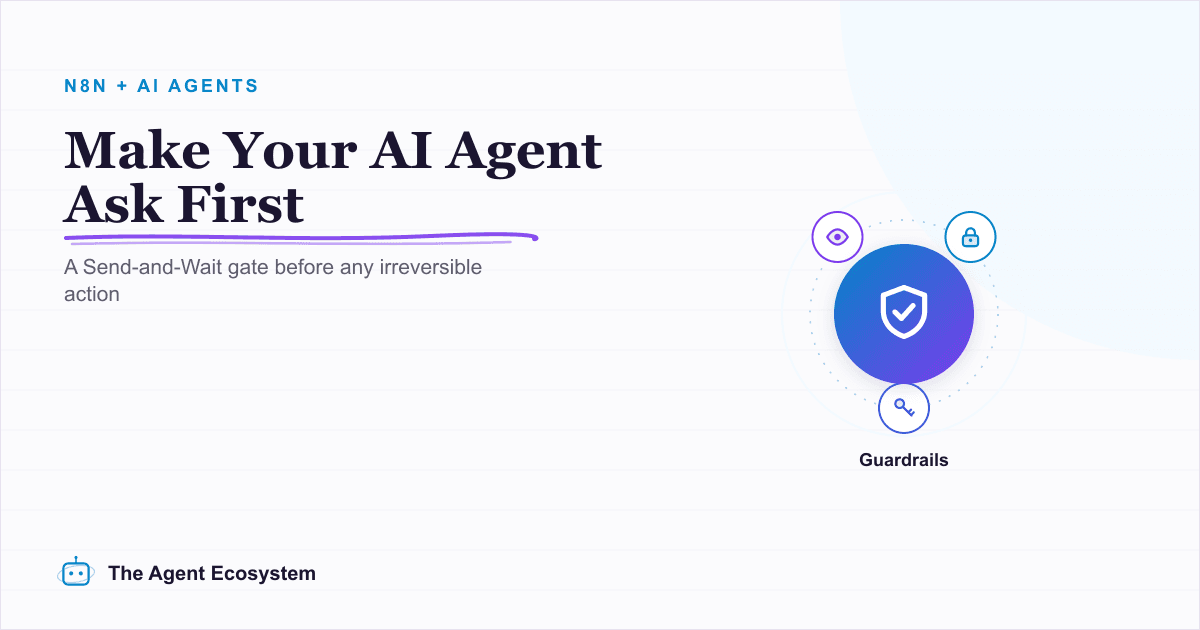
Your n8n AI agent can send emails, issue refunds, and delete records. Gate the irreversible ones with Send and Wait for Response. Here is the exact build, the decision table, and what can go wrong.
An n8n daily digest wires a Schedule Trigger, an RSS fetch, a Claude Summarization Chain, and a delivery node into one unattended workflow that drops a short brief in your inbox every morning for about $1/month.
Use the n8n Summarization Chain node to automatically condense transcripts, PDFs, and long articles into one-paragraph summaries. Costs $0.85 per 100 documents on Claude Haiku 4.5, with three method options for any document length.
Set up n8n sentiment analysis to classify every review, survey reply, or support message automatically. Route negatives to an instant alert and positives to a testimonial ask, for about $0.45 per 1,000 items.
Finished the n8n AI tutorial and wondering what to actually build? These 8 n8n AI automation ideas come with the exact nodes, the honest Chain-vs-Agent call, and the right Claude model for each job.
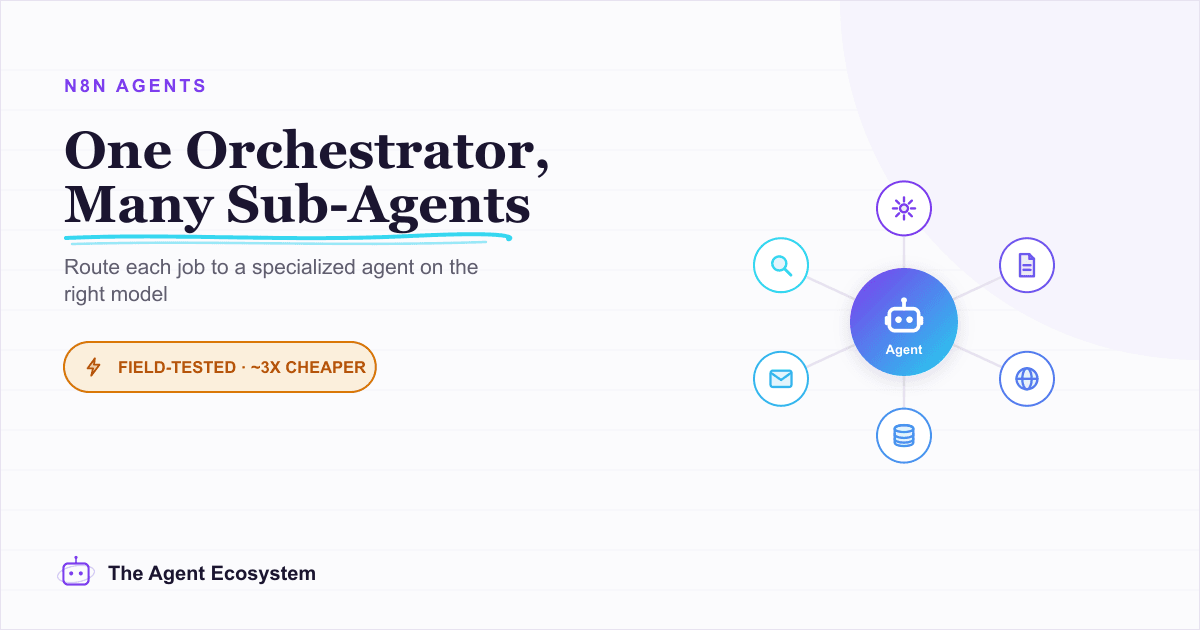
Your single n8n AI Agent has 10+ tools and keeps picking the wrong one. n8n multi-agent orchestration fixes this: one coordinator routes each job to a small, specialized sub-agent on the right model.
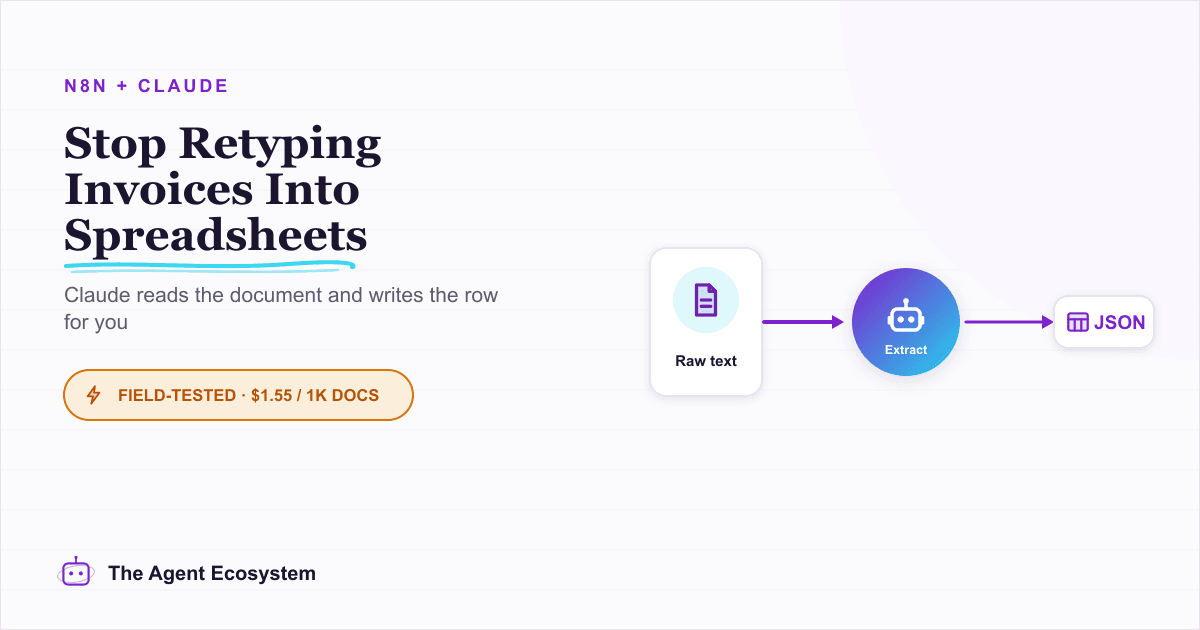
Build an n8n AI document extraction agent that reads invoices, receipts, and emails, then writes clean structured data to a sheet. Uses Claude and the Information Extractor node. Costs $1.55 per 1,000 documents on Haiku 4.5.
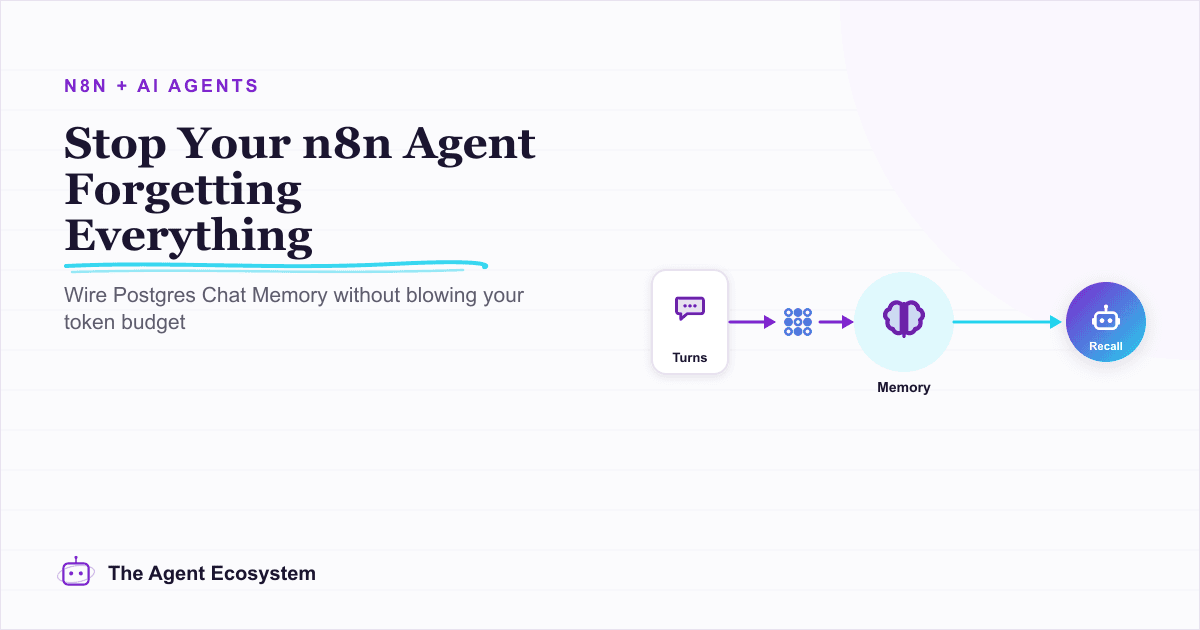
Your n8n agent forgets every message because the model is stateless. Add Postgres Chat Memory, set a per-user Session Key, and tune Context Window Length to keep conversations coherent without blowing your token budget.
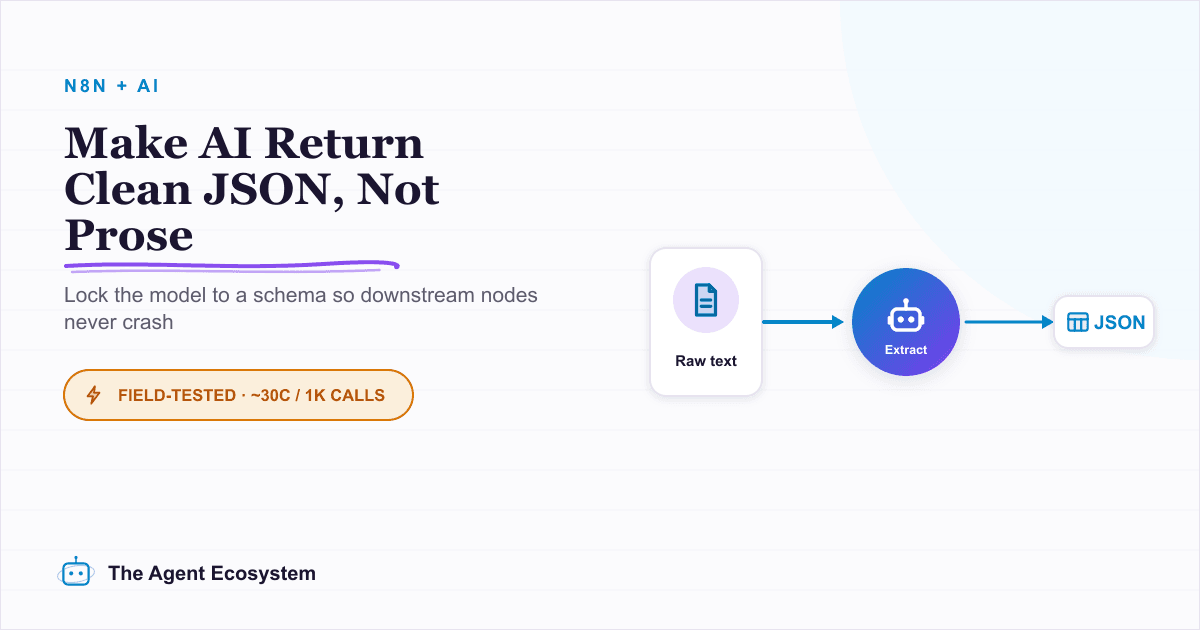
Your n8n AI step returns a paragraph when the next node needs clean fields. The Structured Output Parser sub-node fixes this by constraining the model to a JSON schema you define, for roughly 30 cents per 1,000 calls on Claude Haiku 4.5.
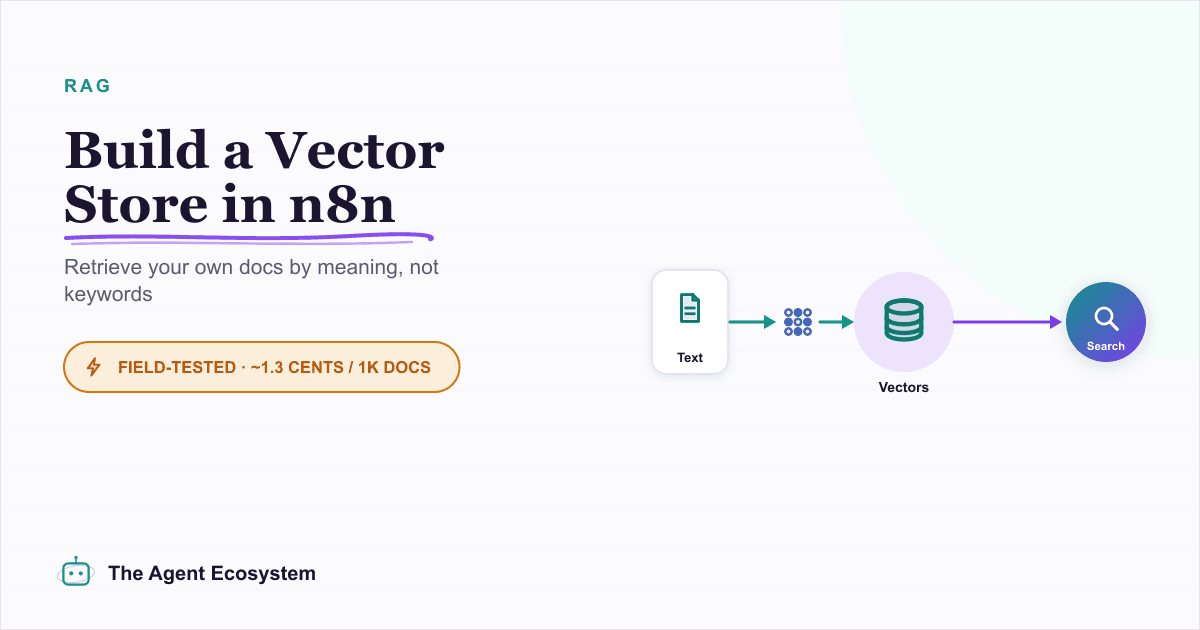
Build an n8n vector store that retrieves your own documents by meaning, not keywords. Embedding 1,000 docs costs ~1.3 cents; Supabase free-tier storage costs $0. Full node wiring and step-by-step setup inside.
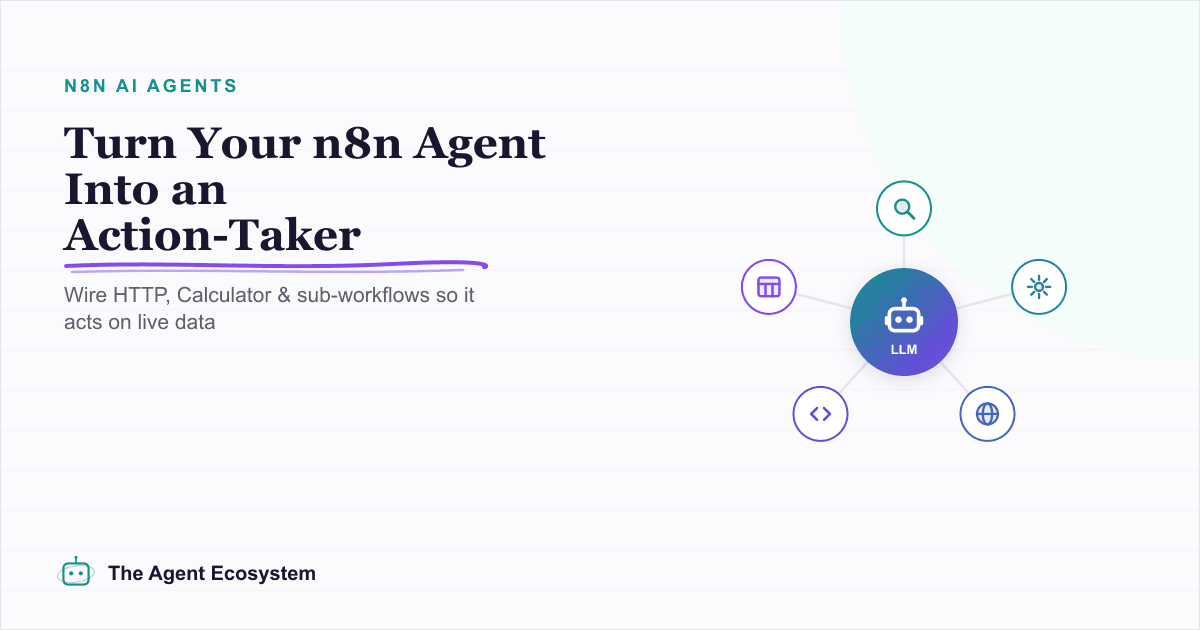
Your n8n AI Agent answers from stale training data until you attach real tools. This guide shows you exactly how to wire HTTP Request, Calculator, and Workflow tools so your agent acts on live data.
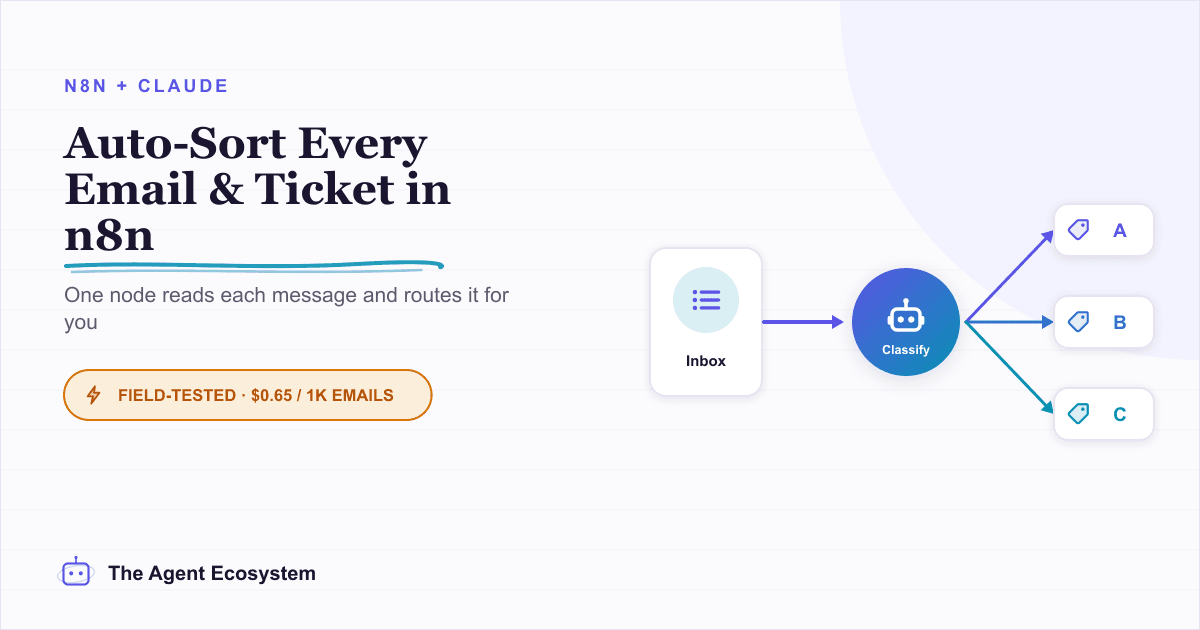
The n8n AI Text Classifier node reads each inbound message, picks the right category, and branches your workflow automatically. Costs $0.65 per 1,000 emails on Claude Haiku 4.5. Here is exactly how to build it.
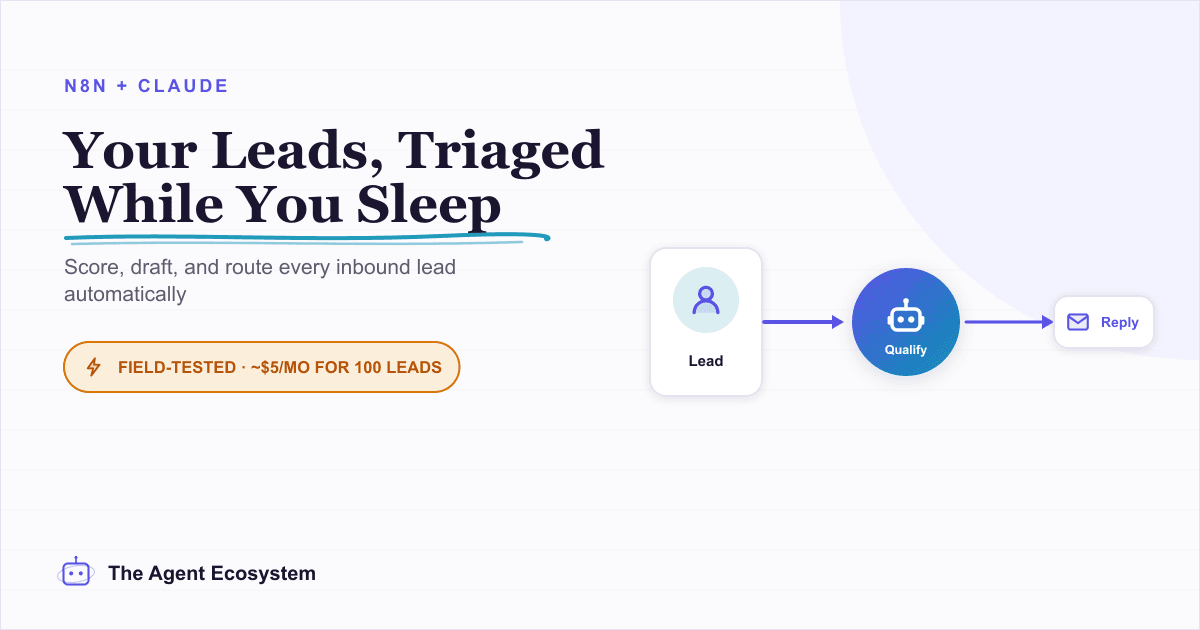
An n8n AI lead generation agent triages every inbound lead the moment it lands: scoring intent, drafting a personalized reply, and pinging you on the hot ones. Real cost: about $5/month for 100 leads on Claude Sonnet 4.6.
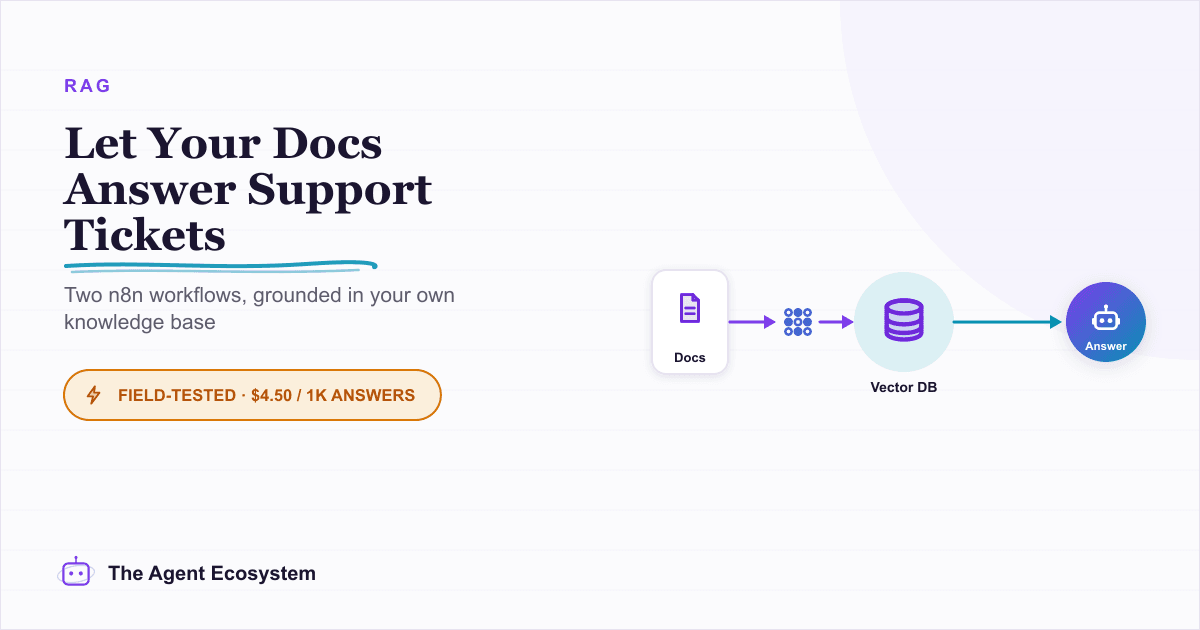
Build an n8n AI customer support bot that answers repeat questions from your own docs using RAG. Two workflows, about $4.50 per 1,000 answers on Claude Haiku 4.5, and $0 platform cost if you self-host.
I built the exact same order-status AI agent in n8n, Make.com, and LangChain, then compared setup effort, cost model, portability, and who each platform actually suits.
There is a 25x cost spread between the cheapest and priciest LLM tier for the exact same n8n AI Agent workflow. This post prices all three providers across 11 model tiers so you can pick the right Chat Model sub-node and stop overpaying.
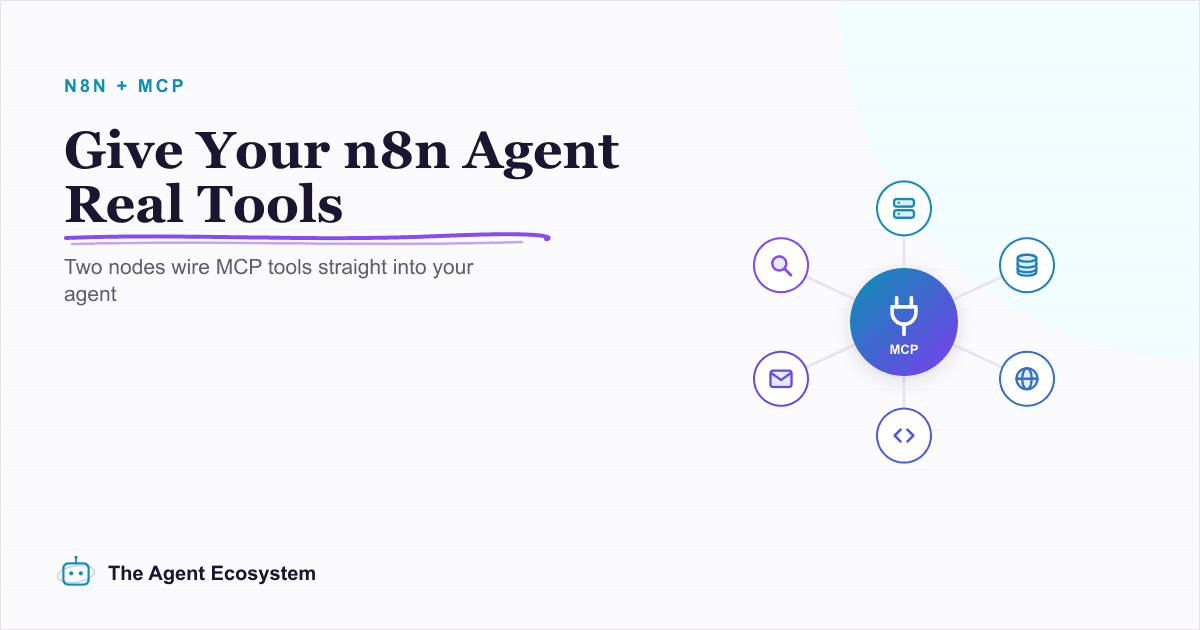
Your n8n AI agent can chat, but it cannot act beyond the nodes you hard-wired. The MCP Client Tool and MCP Server Trigger change that: one gives your agent a server's worth of tools, the other turns your workflows into tools Claude can call.
Turn a Google Sheet into a real datastore for your n8n automations. This guide covers the full CRUD mapping, the Append or Update Row upsert, API quota limits, and when to move to a real database.
Build an AI-powered n8n Telegram bot in under an hour using three nodes and zero platform fees. Get a shareable t.me link, no business verification required, and a bot that replies around the clock.
Build an n8n client onboarding automation that sends a Claude-written welcome email, creates a Notion project page, and logs the client in a CRM sheet, all in under 30 seconds after a new client signs.
Compare pgvector, Chroma, and Qdrant for local RAG pipelines. Get the three-line decision: already on Postgres, use pgvector; prototyping locally, use Chroma; need scale or heavy filtering, use Qdrant.
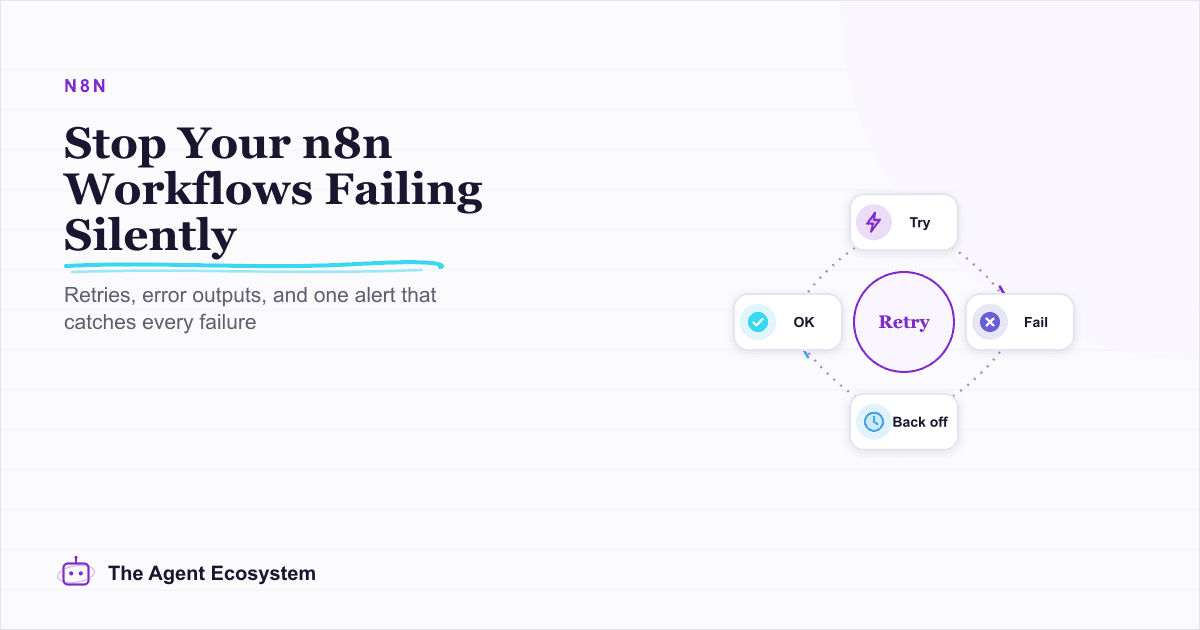
n8n does zero error handling by default. Learn to add three layers: node retries, inline error outputs, and one Error Workflow that alerts you whenever any workflow fails silently.
Self-hosted n8n stores every workflow in one database file. This guide shows you the free CLI-to-Git backup method, the exact export commands, and the encryption key step most tutorials skip.
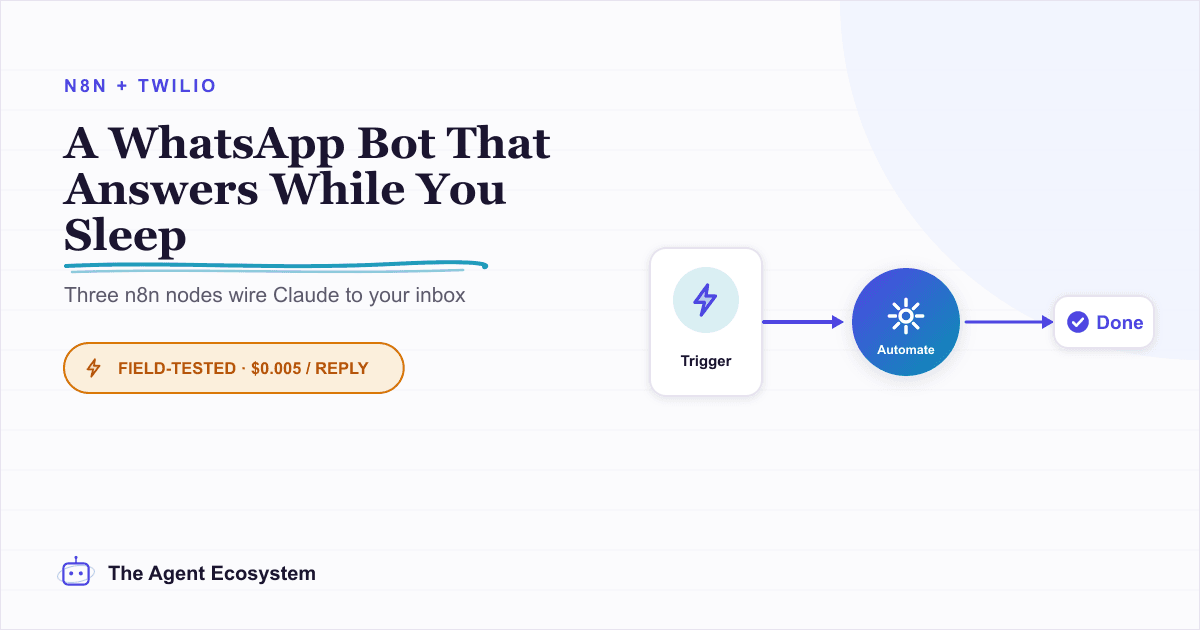
Connect n8n, Claude, and Twilio to build a WhatsApp AI agent that answers customer FAQs instantly. Test free on the Twilio sandbox, then go live for $0.005 per reply.
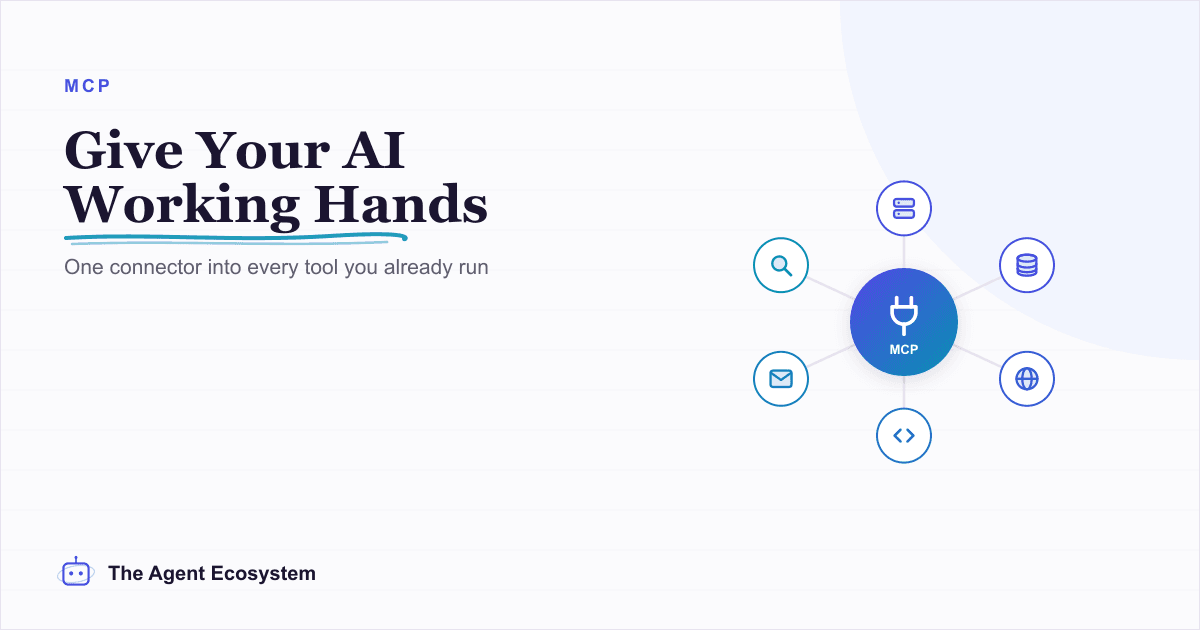
MCP servers give your AI assistant working hands: connect it to GitHub, Supabase, Zapier, and n8n with one standard protocol. First server live in about 20 minutes, free to start.
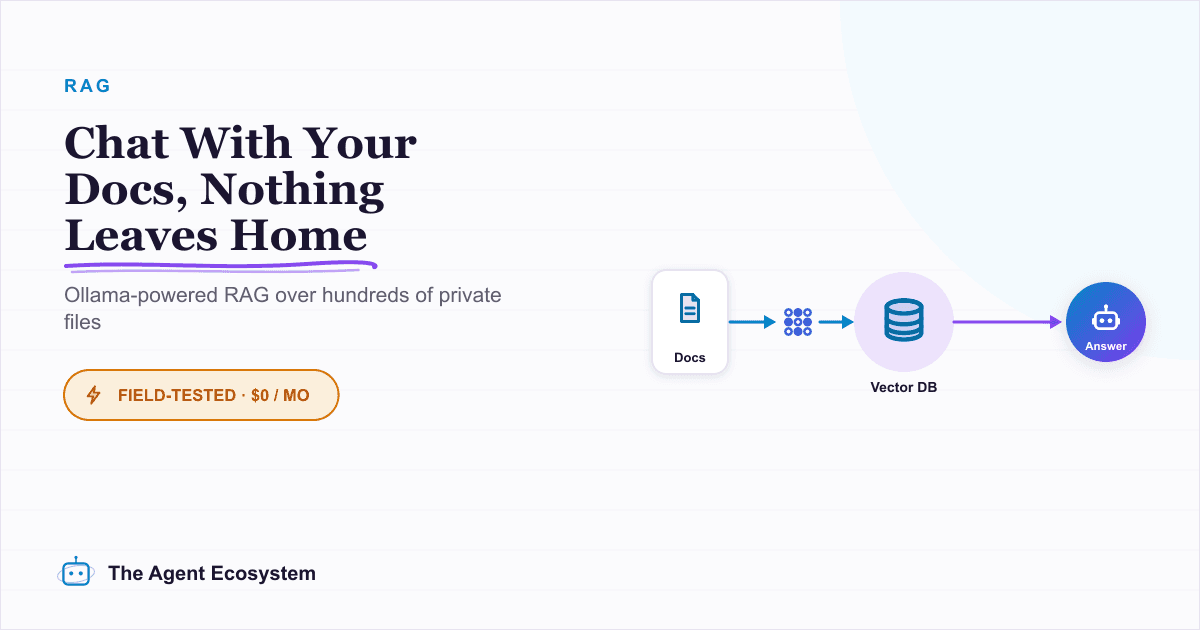
Local RAG with Ollama lets you ask questions across hundreds of private documents without uploading a single file to the cloud. This guide covers three paths from 20-minute desktop setup to n8n pipelines, all at $0 running cost.
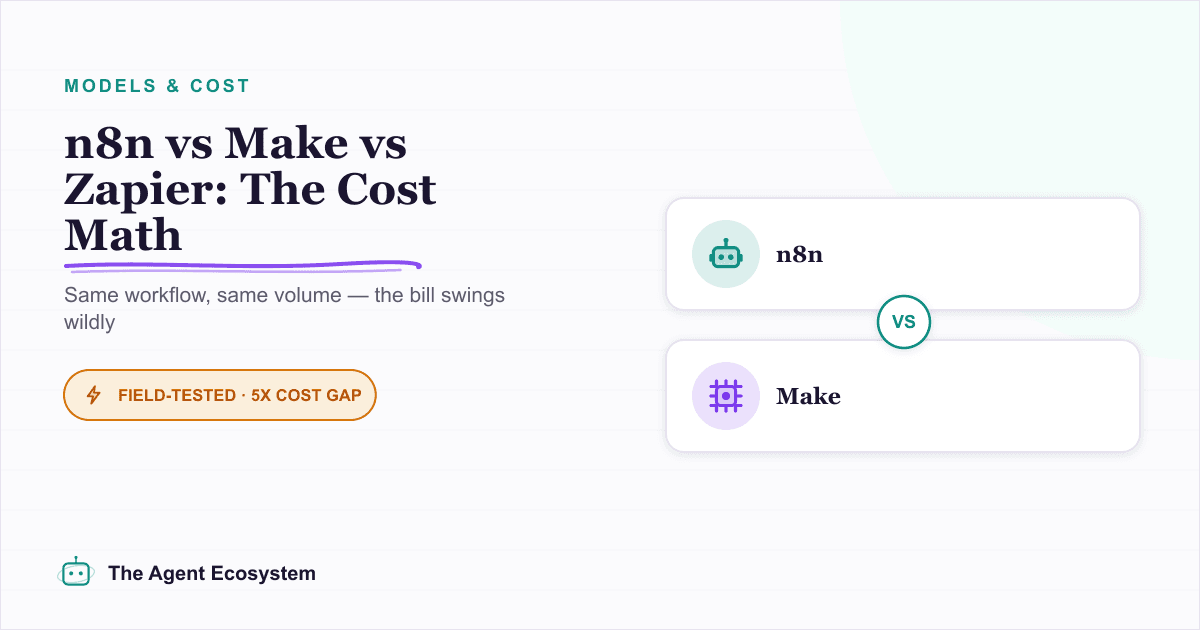
Zapier, Make, and n8n meter completely different units. The same 6-step workflow at 1,000 runs/month can cost 5x more on one platform than another. Here is the exact math for solopreneurs in 2026.
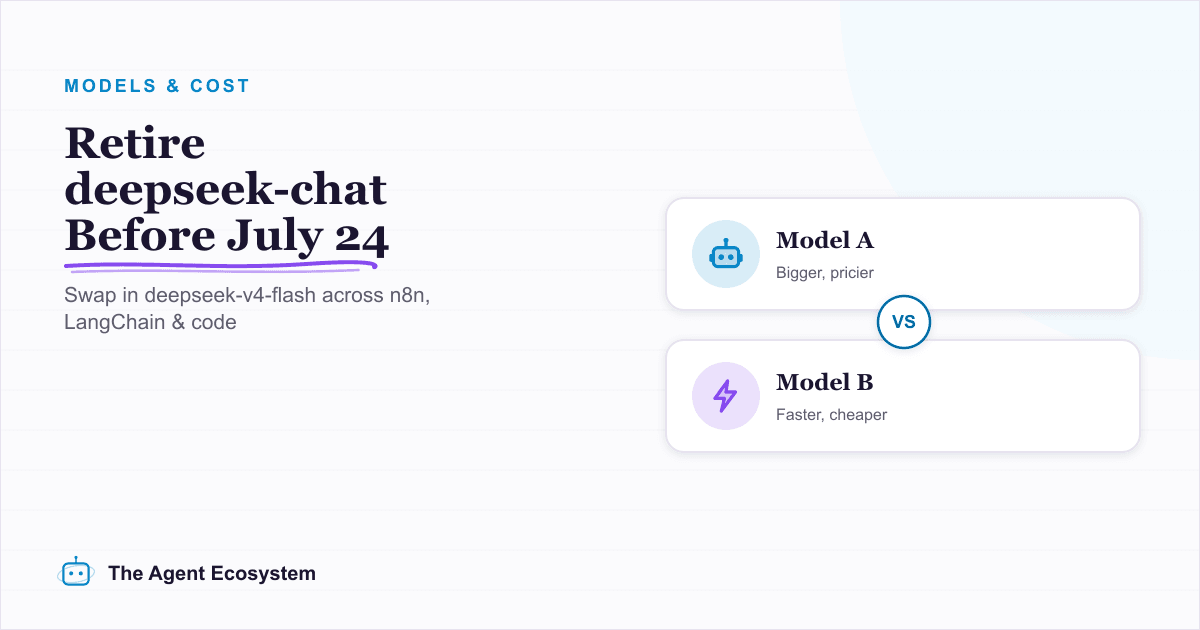
DeepSeek is retiring deepseek-chat and deepseek-reasoner on 2026-07-24. Replace them with deepseek-v4-flash or deepseek-v4-pro now using this step-by-step migration checklist for n8n, LangChain, and code configs.
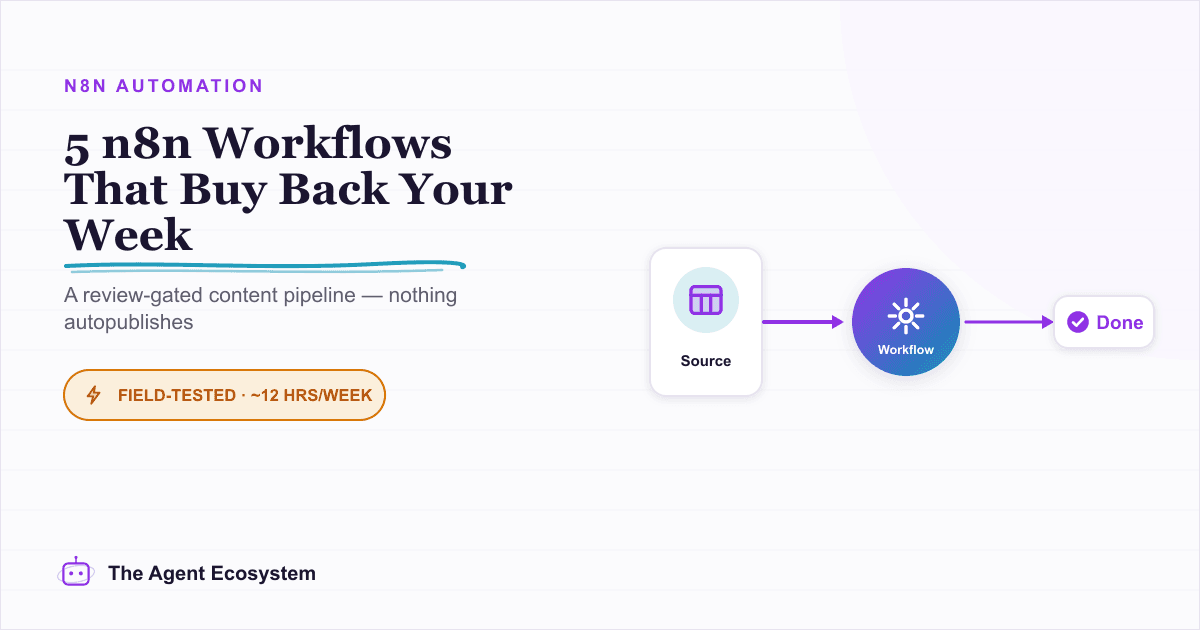
Five n8n workflows that replace source scanning, topic sorting, first-draft writing, pin prep, and changelog monitoring with a review-gated queue. Nothing autopublishes. You stay in control.
4 Gemini 2.0 Flash models were shut down on 2026-06-01. If your n8n, Make.com, or Zapier workflows still call those model strings, they are throwing errors right now. Here is the exact swap list.
Five recent Claude API updates can reduce wasted tokens and lower your bill in n8n agents and custom pipelines. Here is exactly what changed, why it matters, and what to test before changing production workflows.
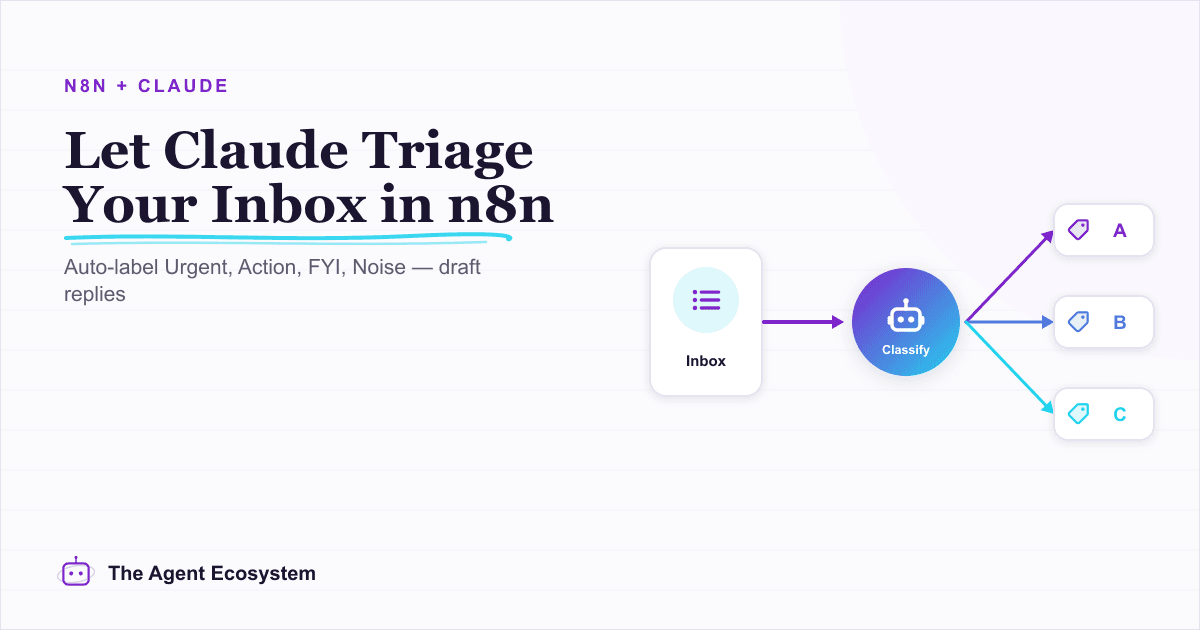
Build a Claude-powered email triage agent in n8n that classifies, labels, logs, and drafts replies without autosending, so you review only the emails that need action.
Self-hosting n8n on a VPS gives solopreneurs unlimited workflows, full data ownership, and a monthly bill under $10. This guide walks you through the exact 7-step setup.
The credential test fails because n8n looks inside its container, not at Ollama on your host. This guide shows the exact Base URL for every setup: native, Docker Desktop, and Linux server.
Most "AI stack" posts hide the bill. Mine runs under $10/month. Here is every tool, the exact tier, the real cost, and the job each layer does for my one-person content business.
Running a local LLM cuts your AI API bill to $0 and keeps client data off third-party servers. This breakdown of Ollama, LM Studio, and Jan tells you exactly which tool fits a solo operator's workflow.
Most "free AI IDE" lists mix up four completely different things. This guide splits 11 tools into truly free, BYOK, freemium, and trial-only, so you know exactly what you're getting before you build.
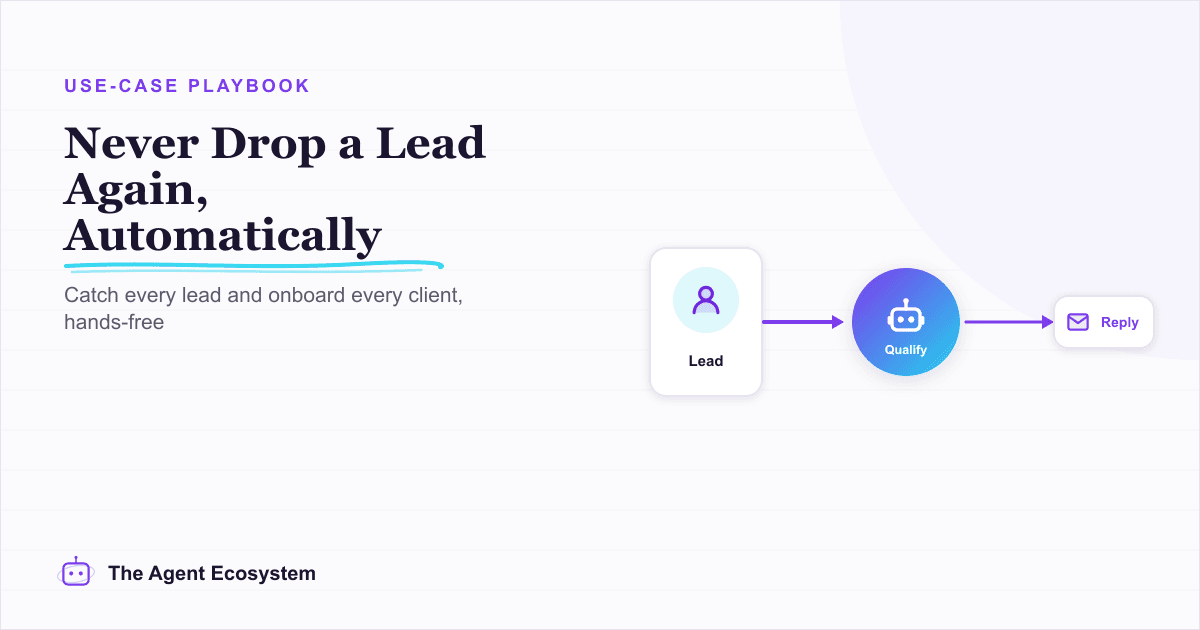
Two hidden time-sinks bookend every solo deal: chasing leads before they say yes, and onboarding clients after. Here's how solopreneurs use AI to automate both ends of the journey, from first inquiry to kickoff call.